Author name: InventaIQ Admin

Uncategorized

7 Costly Mistakes First-Time Crowdfunders Make — and How to Avoid Them

Most first-time crowdfunding campaigns fail — not because the idea is bad, but because creators miss a few critical steps. Over 75% of projects never reach their funding goals. The good news? Each of those failures hides a fixable lesson. Here’s how to avoid the seven mistakes that cost creators time, money, and momentum — and how InventaIQ helps you beat the odds.  Crowdfunding is supposed to turn bold ideas into reality. But without preparation, it can quickly become a costly experiment. From setting unrealistic goals to neglecting IP protection, most creators walk straight into traps that experienced campaigners already know how to avoid. InventaIQ — your AI Sherpa for crowdfunding — analyzed thousands of Kickstarter and Indiegogo campaigns to identify what separates failures from fully funded success stories. This guide breaks down the seven most common mistakes and shows exactly how to prevent them with data-driven validation, smarter planning, and real-time coaching.  Here’s how AI changes the game.  Why Most First-Time Crowdfunders Fail More than 60% of crowdfunding campaigns never reach their funding goal. The biggest reasons?  AI agents now fill these gaps. By validating ideas, planning realistic funding goals, and generating persuasive storytelling, AI turns guesswork into guided decision-making. Platforms like InventaIQ act as your AI co-pilot — helping you test, refine, and launch smarter.  The 7 Mistakes First-Time Crowdfunders Make (and How AI Agents Fix Them) 1. What Happens When You Skip Idea Validation? The #1 reason campaigns fail? Launching too early. Creators often skip validation and assume their excitement equals market demand. But if there’s no real-world proof that people want your product, crowdfunding only magnifies the mistake.  InventaIQ’s Idea Validation engine checks market viability, patent overlaps, and consumer sentiment in minutes — saving you months of guessing. You’ll see how unique your concept truly is and whether it’s ready for public launch.  2. Why Ignoring IP Conflicts Can Derail Your Campaign? Announcing your invention on a crowdfunding platform before protecting it can kill your chances of ever owning it. Once your idea is public, competitors — and patent trolls — can act faster than you.  With InventaIQ’s built-in IP and trademark scan, you can secure your creative edge before launch. Our AI combs through USPTO and WIPO databases to flag conflicts and protect you from costly legal mistakes.  3. How Poor Market Research Leads to Unrealistic Goals? Without competitor analysis, creators often set funding targets that don’t align with market demand.  AI agents study similar campaigns across Kickstarter and Indiegogo, reveal what worked, and recommend achievable targets. You get data-driven pricing insights and audience forecasts before launch.  4. What Happens When You Overcomplicate Reward Tiers in a Crowdfunding Campaign? Reward tiers are the backbone of any crowdfunding campaign. But when creators pile on too many options or confusing bundles, they overwhelm potential backers.  Using InventaIQ’s Reward Tier Optimizer, you can instantly generate a pricing ladder modeled on successful campaigns in your niche. The system recommends optimal pricing, bundle sizes, and add-ons to increase average pledge value.  5. How does building a pre-launch audience improve your crowdfunding success? A great product doesn’t automatically attract backers. Successful campaigns start long before the launch date, with warm leads, mailing lists, and clear PR angles.  InventaIQ’s Campaign Readiness Scan builds this foundation for you — analyzing your outreach strength, PR fit, and reward alignment. You’ll receive a tailored 6–8 week roadmap to build audience momentum before launch day.  6. Why is live engagement crucial during a crowdfunding campaign? Crowdfunding doesn’t stop when you hit “Launch.” Campaigns that ignore backer comments, skip updates, or fail to adjust messaging lose steam quickly.  InventaIQ’s Live Campaign Dashboard tracks engagement, sentiment, and funding trajectory in real time — and even drafts personalized updates and replies in your tone. 7. How Skipping Post-Campaign Fulfillment Damages Reputation? Many creators celebrate their funding win only to be blindsided by the complexity of shipping, logistics, and communication. Backers expect timely updates and reliable delivery — failing here can permanently damage your brand.  InventaIQ’s Fulfillment Planner auto-generates backer surveys, regional shipping timelines, and recommended 3PL partners. It ensures you deliver efficiently while maintaining trust and credibility.  How AI Agents Help First-Time Founders Launch Smarter AI isn’t replacing creators — it’s empowering them. Here’s how AI agents like InventaIQ guide your entire crowdfunding journey: AI is no longer optional — it’s your silent co-founder. Frequently Asked Questions  Q1. What are the biggest mistakes new crowdfunders make? Launching without validation, ignoring IP risks, and setting unrealistic goals.  Q2. Can AI really predict crowdfunding success? Yes — AI agents like InventaIQ analyze historical data to estimate your success probability score before launch.  Q3. How does InventaIQ help creators before launch? It checks patents, analyzes markets, optimizes messaging, and creates a complete campaign roadmap.  Q4. Is AI validation accepted by Kickstarter and Indiegogo? Absolutely. AI validation helps creators prepare campaigns that align with platform rules and audience expectations.  Final Thoughts Crowdfunding success isn’t luck — it’s preparation. Every failed campaign is a data point showing what not to do. InventaIQ turns those lessons into an actionable roadmap, helping you validate ideas, protect your IP, and stay campaign-ready at every stage.  Before you launch, run a free Campaign Readiness Scan at InventaIQ.com. See your campaign’s strengths, uncover hidden risks, and get a clear action plan to raise your funding odds. The smartest creators don’t guess — they validate.

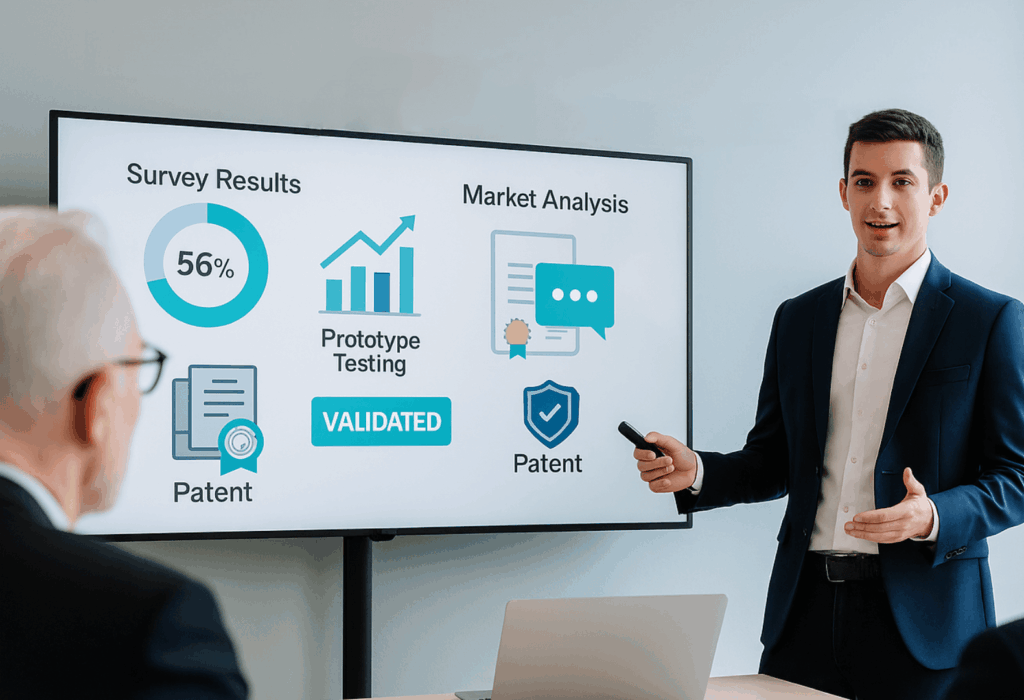
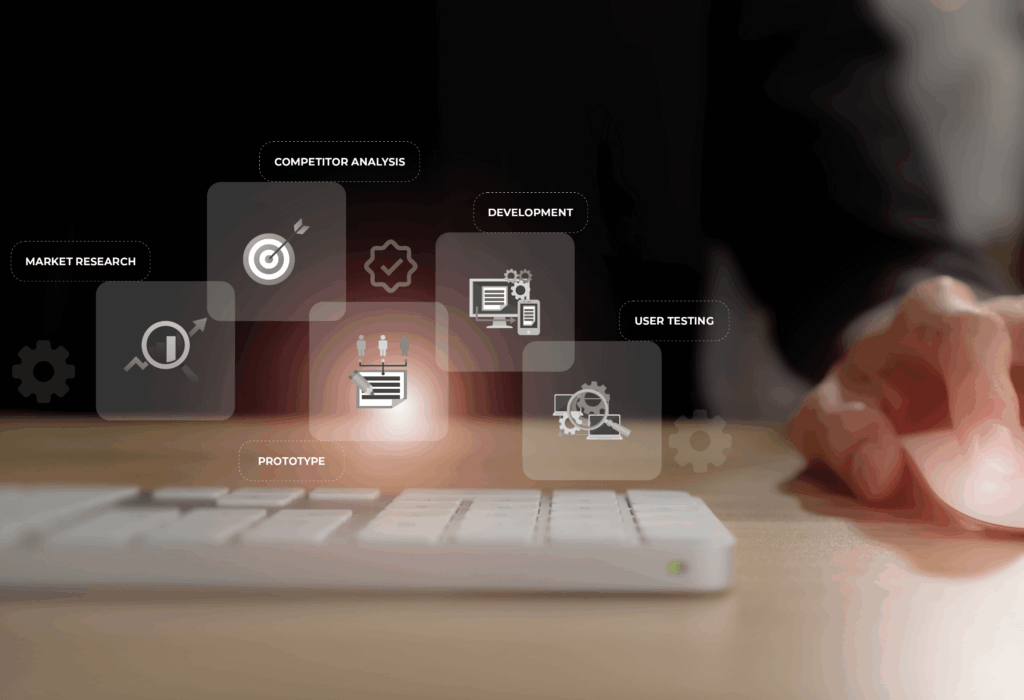
Investor reviewing product validation steps on a digital interface, including market research, prototype, competitor analysis, and user testing.
Uncategorized

What Investors & Backers Expect from Pre-Launch Validation (And How to Nail It)

We’ve all seen it happen: a brilliant idea, a flashy prototype, a passionate pitch—followed by a polite “We’ll pass for now.” The reality? Many product launches fail not because the idea is bad, but because pre-launch validation was missing. Investors and backers don’t fund vibes. They fund evidence—clear signals that your product is needed, tested, and positioned to win. Whether you’re trying to impress a VC or rally crowdfunding supporters, your ability to show investor product validation and crowdfunding readiness is what earns you trust (and checks). Great founders today don’t just build. They validate first, then pitch with confidence. And with tools like InventaIQ, you no longer need a massive team to pull this off—you just need a system that proves your product deserves to exist. In this post, we’ll break down exactly what modern investors and backers want to see—and how smart pre-launch validation gets you there. Why Validation is Non-Negotiable Let’s cut to it: pre-launch validation is no longer a “nice to have.” It’s the new baseline. Investors are flooded with pitches. What sets you apart isn’t just a great idea—it’s how de-risked your idea is. That’s what validation does. It’s your startup validation process in action: proving that your concept has traction, real demand, and a plan to capture market share. Imagine two founders: one says, “We think this will sell.” The other says, “We surveyed 500 users, got 43% pre-order intent, and ran a pilot that doubled click-through rates.” Who gets the term sheet? Whether you’re raising money or launching on Kickstarter, you’re up against investor fatigue and backer skepticism. Validation cuts through both. It signals pitch readiness, professionalism, and that ever-elusive quality: product-market fit. Think of validation like prepping for a job interview. You wouldn’t walk in unshowered with half a résumé. So don’t show up to investors without a solid validation story. 4 Key Things Investors & Backers Expect a) Evidence of Market Demand Validation starts with proving people care. Investors want to see you’ve done more than dream—they want traction metrics. Example: Sara, a solo founder, created a biodegradable phone case. Instead of guessing, she launched a landing page with “Join Waitlist” and drove $50 in Instagram ads to it. Within two weeks, she had 900 signups. That’s proof of product-market fit. Example: Jon ran a “fake door” test for his ergonomic standing chair—users clicked to pre-order, then landed on a “Coming Soon” page. He tracked click-through rates and found 12% of visitors tried to buy. Hello, backer trust signal. Backers don’t expect perfection. They expect signal over noise—real numbers, not vibes. What to show: You’re not pitching an idea. You’re pitching proof. b) A Working MVP or Prototype You can’t just talk about your product—you’ve got to show it. Example: David pitched a portable cold plunge tub. Instead of explaining it with slides, he brought a working prototype to demo in-person (yes, it leaked a bit—but that made it real). His scrappy prototype helped land $150K in pre-seed funding. That’s MVP proof. An MVP (Minimum Viable Product) isn’t fancy. It’s functional. It’s the stripped-down version of your big idea that proves the core value works. Whether it’s: What matters is product readiness. If you can build something—even duct-taped together—it shows investors you can execute. It also lets them test usability and visualize adoption. A strong MVP isn’t about polish—it’s about potential. c) Validation Data & Reports Once you’ve collected the data, package it. A proper validation report helps investors do due diligence faster—and it screams professionalism. Example: Maya used InventaIQ to test her idea for a smart indoor herb garden. Her report included: She handed the report to her angel investor—and it became a conversation piece, not just a formality. Great validation data includes: InventaIQ turns this into a neat dashboard, complete with investor-ready summaries. It’s like having a virtual validation advisor—minus the consulting fee. d) User Feedback or Testimonials Investors and backers want to hear from real people who’ve used your product—or at least tried it. Example: Raj built a beta version of his app for remote dog monitoring. He gave it to 20 pet parents in a local Facebook group. Within a week, he had 14 positive testimonials and two feature requests-one of which he implemented pre-launch. That feedback landed on his campaign page and in his pitch deck. Result? More trust. More traction. Early testers don’t need to be paying customers. They just need to be real users, not relatives. What to collect: This type of crowdfunding feedback is gold. It shows your product is more than a theory—and gives you credibility with investors who want to know what others think before they commit. Common Validation Mistakes to Avoid Validation is powerful—but only if it’s done right. Mistake #1: Relying on friends and family Your mom might love your idea. Your target customers? Maybe not. Investors know the difference. Mistake #2: No differentiation If your product sounds like everything else on the market, validation won’t save you. Backers need to see what makes you better, not just similar. Mistake #3: Talking about “gut feelings” instead of data “I just know this will take off” is a red flag, not a strategy. Use real numbers. These validation mistakes turn investor curiosity into concern. Avoid them, and your pitch readiness jumps 10x. How InventaIQ Helps Founders Validate Smarter InventaIQ is your validation wingman. It’s an AI-powered startup validation platform that turns ideas into credible, fundable business cases. With one simple flow, you can: Whether you’re preparing a pitch deck, campaign page, or investor meeting, InventaIQ gives you the tools to show you’ve done the work. It’s everything founders need to prove crowdfunding readiness—without hiring a full validation team. Conclusion Pre-launch validation isn’t extra credit—it’s the foundation of successful funding. If you want to earn investor trust, convert backers, and avoid costly mistakes, validation is your competitive edge. It gives you pitch readiness, real data, and proof that your product deserves attention. Don’t wing it. Don’t hope for the best.

Illustration of a product creator using AI-powered tools to validate a crowdfunding idea with graphs, patent checks, and market feedback.
Uncategorized

Validate Your Product Idea Before Crowdfunding-Without Losing Your Mind (or Shirt)

Why Product Validation is Essential Before Crowdfunding You know the moment. That electric flash of genius in the shower, gym, or the checkout line. You’ve got the idea-a self-cleaning water bottle that syncs with your hydration app! You’re ready to launch a crowdfunding campaign, book the prototype shoot, and imagine a feature on TechCrunch. But before you start designing limited-edition backer swag, you need to validate your product idea. Most crowdfunding campaigns fail not because the product was bad, but because the audience didn’t bite. Product validation before crowdfunding is like a dress rehearsal before opening night-crucial if you want to avoid the dreaded flop. Let’s say you’re developing a solar-powered dog leash that tracks your pet’s location. You love it. Your friends love it. But will strangers pay $89 for it? That’s where crowdfunding product validation comes in. Tools like InventaIQ let you test your idea’s appeal, search for existing patents, check the name availability, and analyze how similar products are received-all before you invest thousands in production. So, shower inspiration? Yes. Blind faith? No. Validate first, crowdfund with confidence. What Does “Validating Your Product Idea” Mean? To validate your product idea means getting out of your head and into the world-where real people tell you whether they’d actually use (and pay for) what you’re building. Let’s take Marcus. He had an idea for a minimalist, modular wall-mounted spice rack made from recycled bamboo. Before rushing into production, he ran a quick pre-launch product testing routine: Product validation before crowdfunding helped Marcus realize that his initial price point was too high and that his “modular inserts” were the differentiator he needed to spotlight. The point? Validation isn’t about asking your mom if she likes it. It’s about collecting real-world data: With tools like InventaIQ, you can also check for patent risks (turns out there was a similar spice rack with a specific mounting design) and name availability-all with plain-language results and market viability that helps you decide whether to pivot or go all in. Effective Methods to Validate Your Product Idea You don’t need a research team or a fancy consultant to validate your product idea. Just a little hustle, the right tools, and a willingness to listen. Here are practical validation methods-with examples. 1. Surveys & Polls Tina had an idea for a collapsible foam roller that fits in a backpack. She built a quick survey using Google Forms: She shared it with fitness Reddit groups and Instagram yoga influencers. Within a week, she had 138 responses-and more than 70% said they would probably buy her product. That’s crowdfunding product validation in action. 2. Focus Groups Daryl was building a noise-canceling sleep mask. He invited 8 light sleepers to his living room, gave them pizza, and had them try an early prototype. What he learned shocked him: the material felt great, but the pressure on the nose bridge caused discomfort. He went back to redesign that piece before launch. That’s focus groups for product validation-scrappy, cheap, and brutally effective. 3. MVP (Minimum Viable Product) Priya wanted to launch a “plant subscription box” for city dwellers. But instead of ordering plants and building a site, she mocked up a landing page showing her product tiers and pricing. She added a fake “Subscribe Now” button just to test interest. That’s MVP validation for crowdfunding-test demand without even shipping a leaf. She got 512 email signups from a $100 Instagram ad. Validation = confirmed. 4. Landing Pages Use Carrd, Webflow, or Shopify to build a simple page. Add your product’s key benefits and one CTA: “Join Waitlist” or “Reserve Now.” Run a small ad campaign or post in niche communities. If no one signs up, you don’t have a winner-yet. 5. InventaIQ: Instant, AI-Powered Feedback When Jason submitted his idea for a magnetic charging dock for e-bikes into InventaIQ flagged multiple overlapping patents, including international filings, indicating potential infringement risks. It also identified that the intended trademark had medium conflict risk due to similar existing names. The platform then suggested alternative brand names, design modifications to avoid patent overlap, and offered a detailed competitor analysis. This included identifying feature gaps in rival products, helping refine the product positioning and uncover a clear white space in the market. InventaIQ turns scattered methods into a single workflow. Describe your idea, upload a sketch, and get answers on patents, trademarks, competitors, and market sentiment-automatically.  The Role of Market Testing in Crowdfunding Success Crowdfunding success depends on how well you know your market before launch. Market testing isn’t just for big brands. Take Sandra, a stay-at-home mom who designed a convertible kids’ play mat that doubles as toy storage. She assumed moms would love it-but she tested anyway. Using market testing for crowdfunding, she: So she upgraded her design with firmer padding and stain-resistant fabric. That single adjustment became her campaign’s main selling point. This is the essence of crowdfunding product validation: test your assumptions early, then improve. Platforms like InventaIQ simplify this. It runs sentiment analysis on products like yours and tells you: This is how you find product market fit for crowdfunding-not by building a better mousetrap, but by solving the things the last one missed. Think of market testing as your early-stage backer feedback loop-before you’re deep into fulfillment or refund territory. How to Attract Crowdfunding Backers with Validation Validation doesn’t just help you build better. It helps you sell better. When backers land on your campaign page, they want to know one thing: “Has anyone else tested this thing?” Showing that you’ve gone through crowdfunding product validation builds immediate trust. Take Anton, who launched a Bluetooth-enabled umbrella that tracks UV exposure. Sounds niche, right? But he crushed his goal in three days. Why? His campaign screamed: “I did the work.” Backers love seeing evidence that you’ve validated. It makes them feel like investors-not guinea pigs. And it boosts crowdfunding backer interest tenfold. So if you want to validate your product idea for Kickstarter and win backers’ hearts (and wallets), show

An inventor in a kitchen having a lightbulb moment while buttering toast, imagining a self-warming butter knife—representing the spark of innovation and the need for smart validation tools like InventaIQ.
Uncategorized

From Idea to Market: How to Validate Your Invention Without Breaking the Bank 

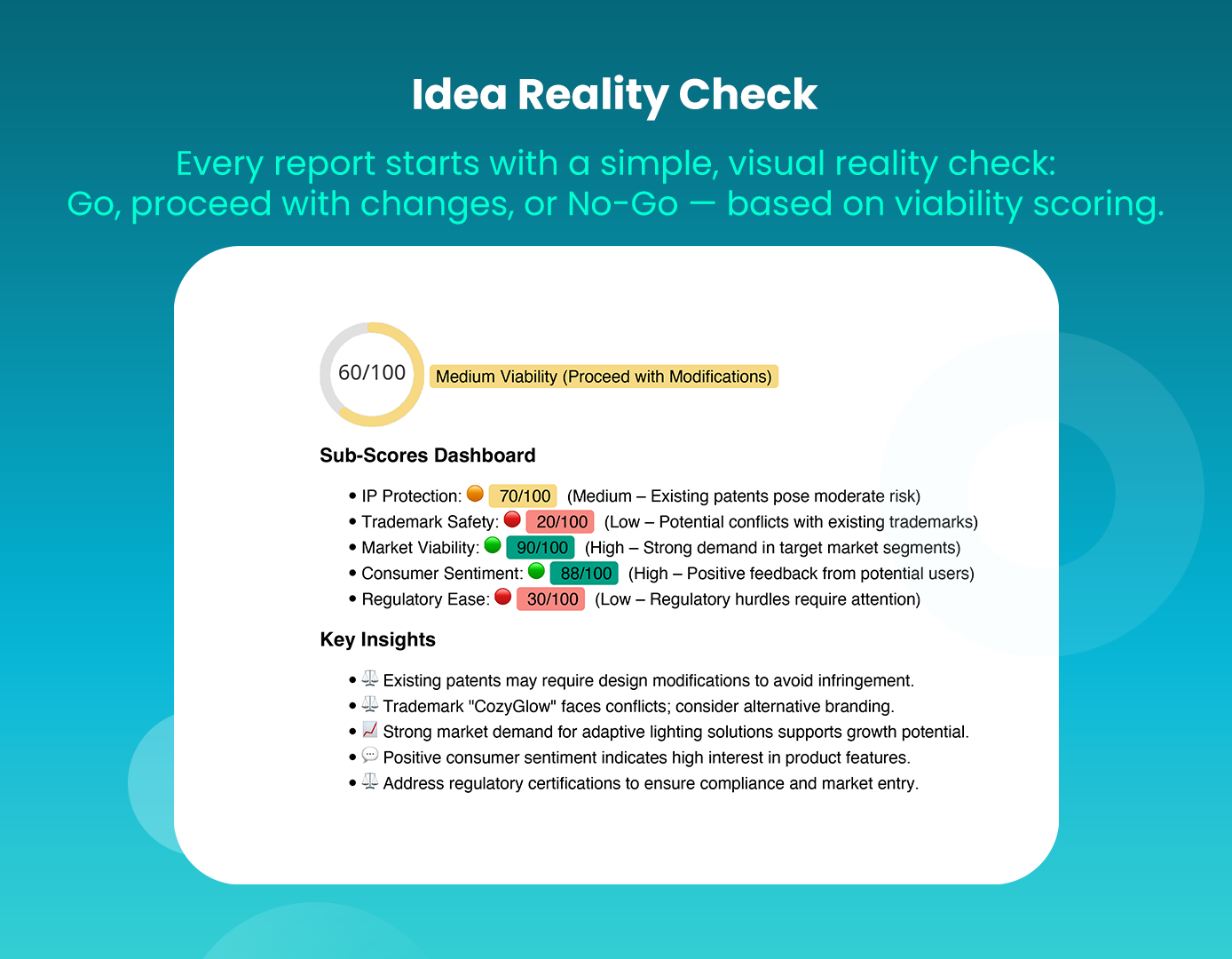
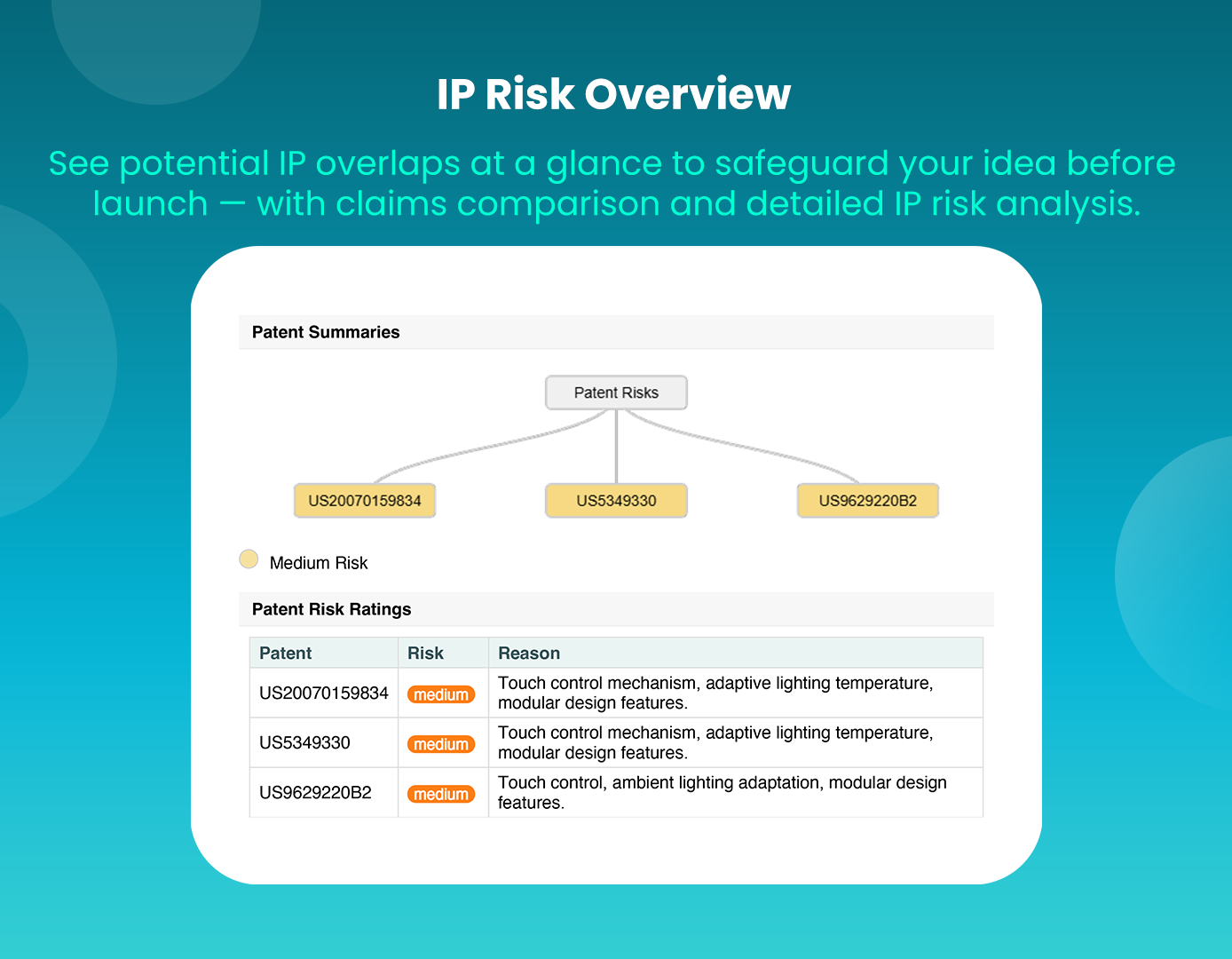
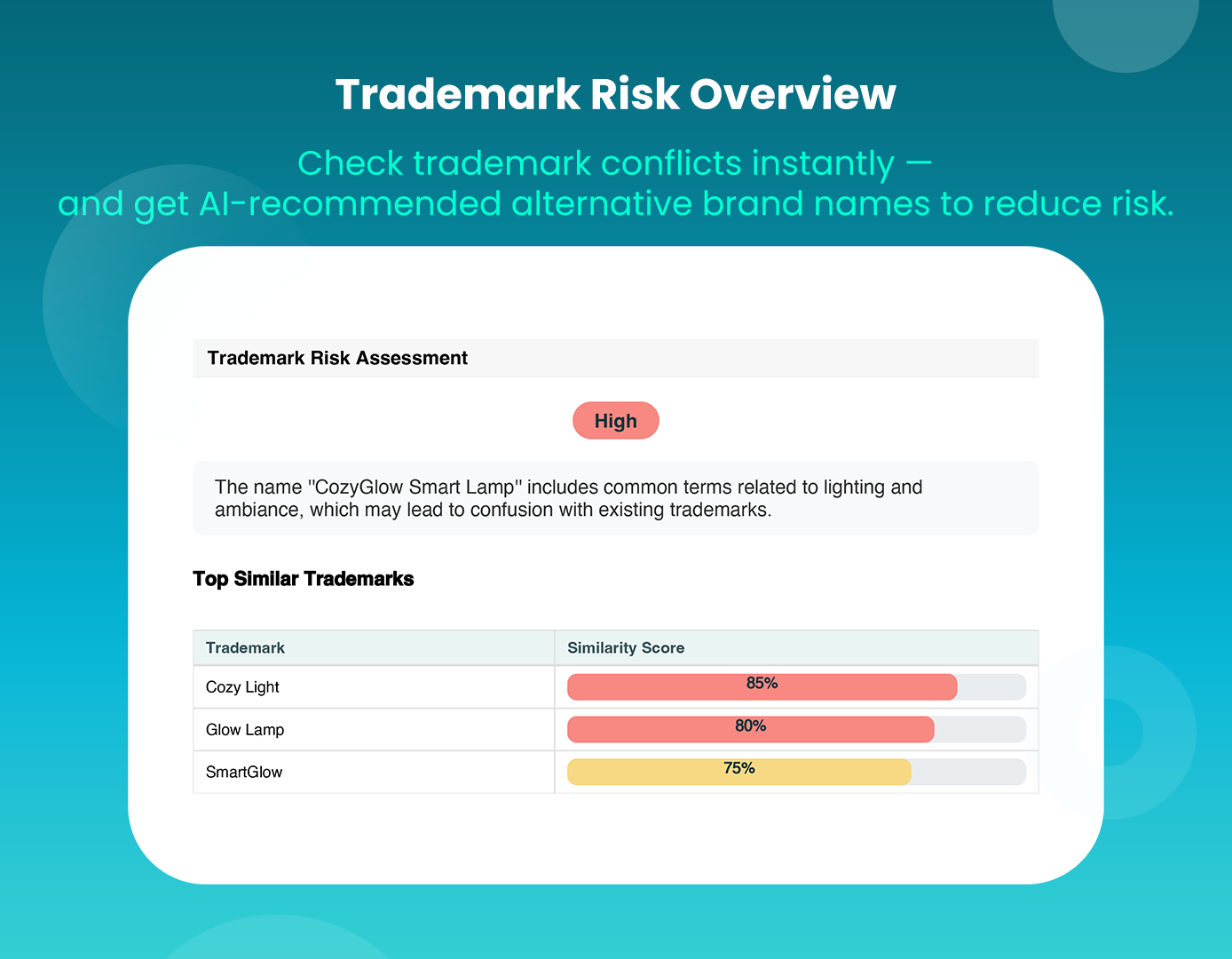
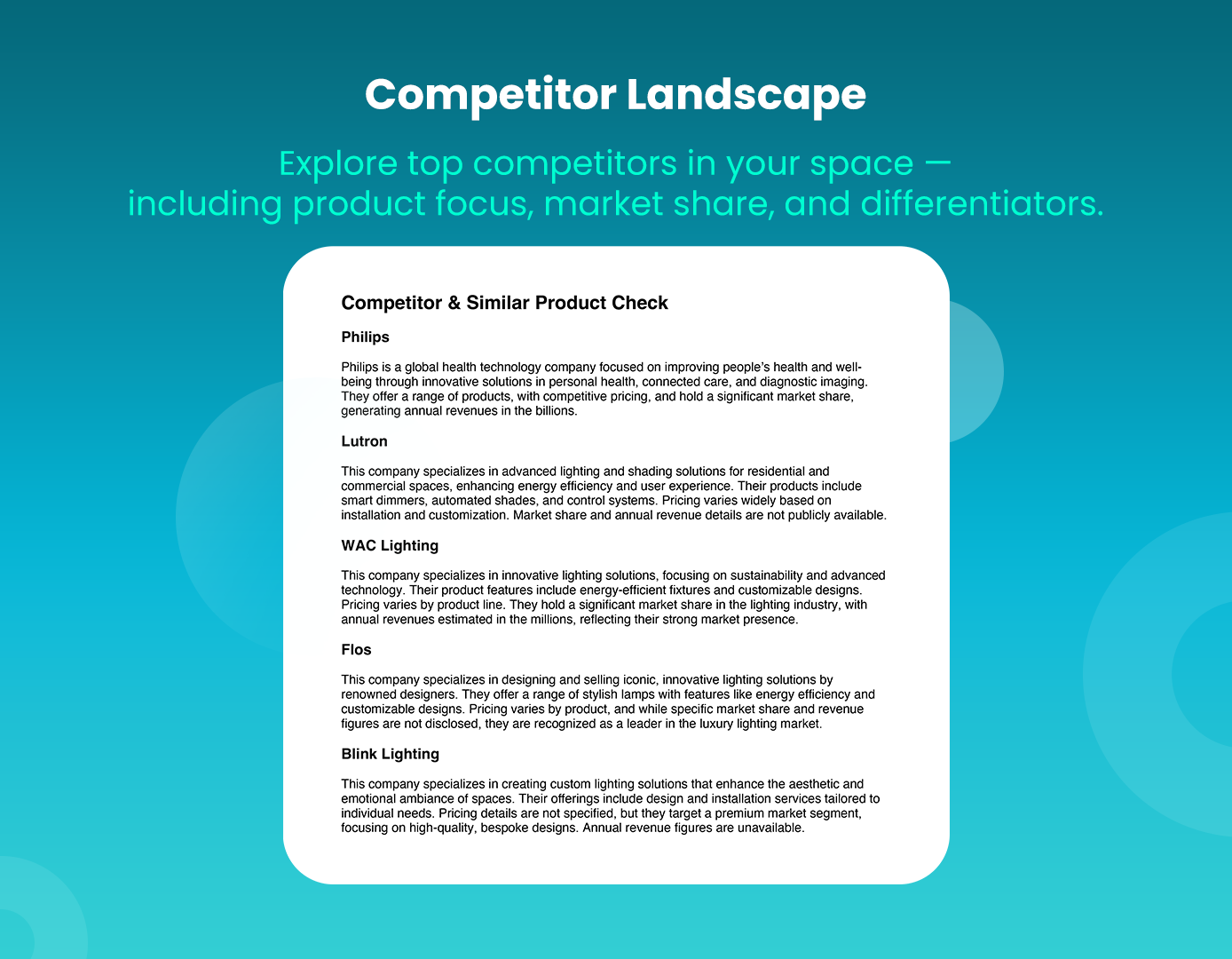
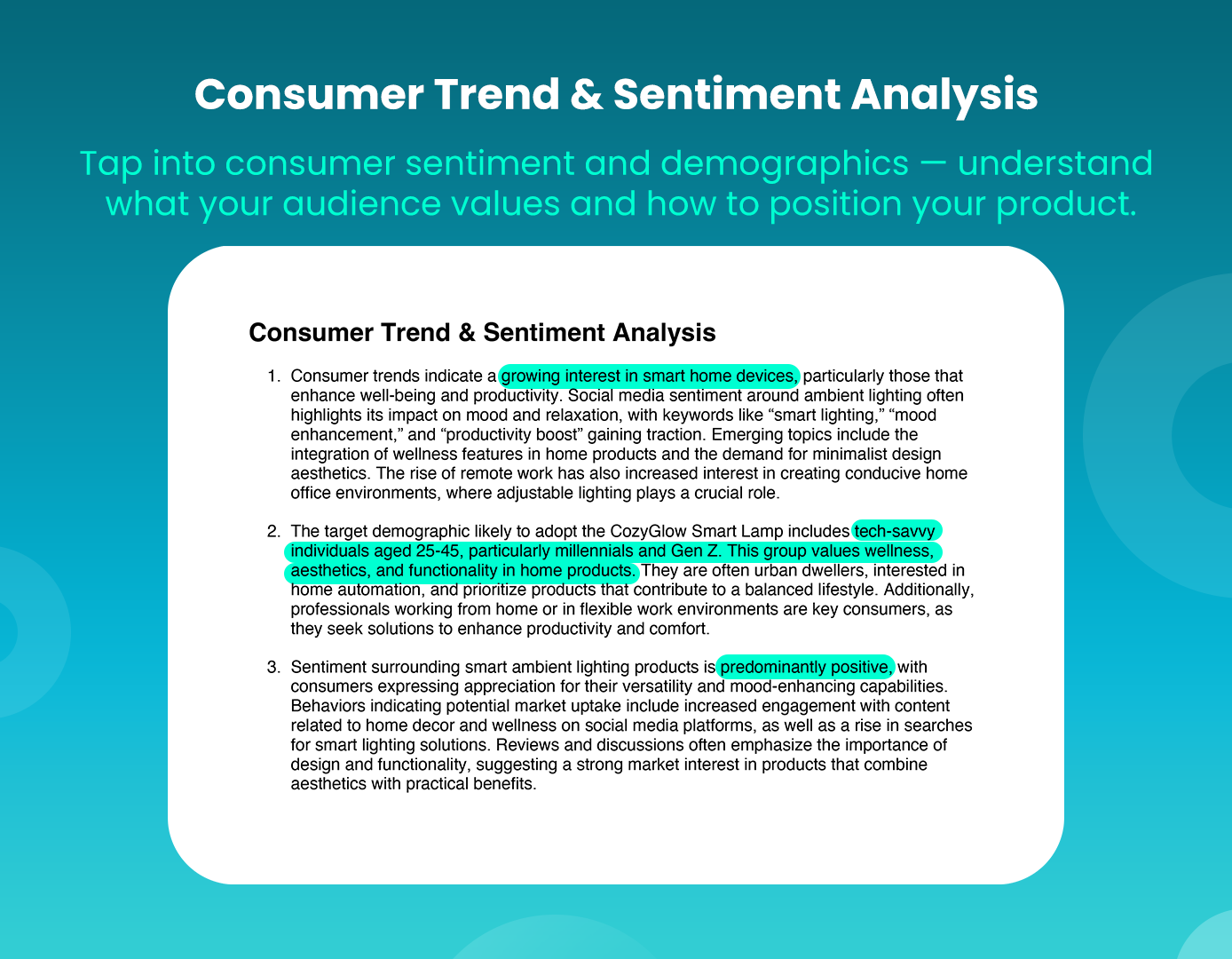
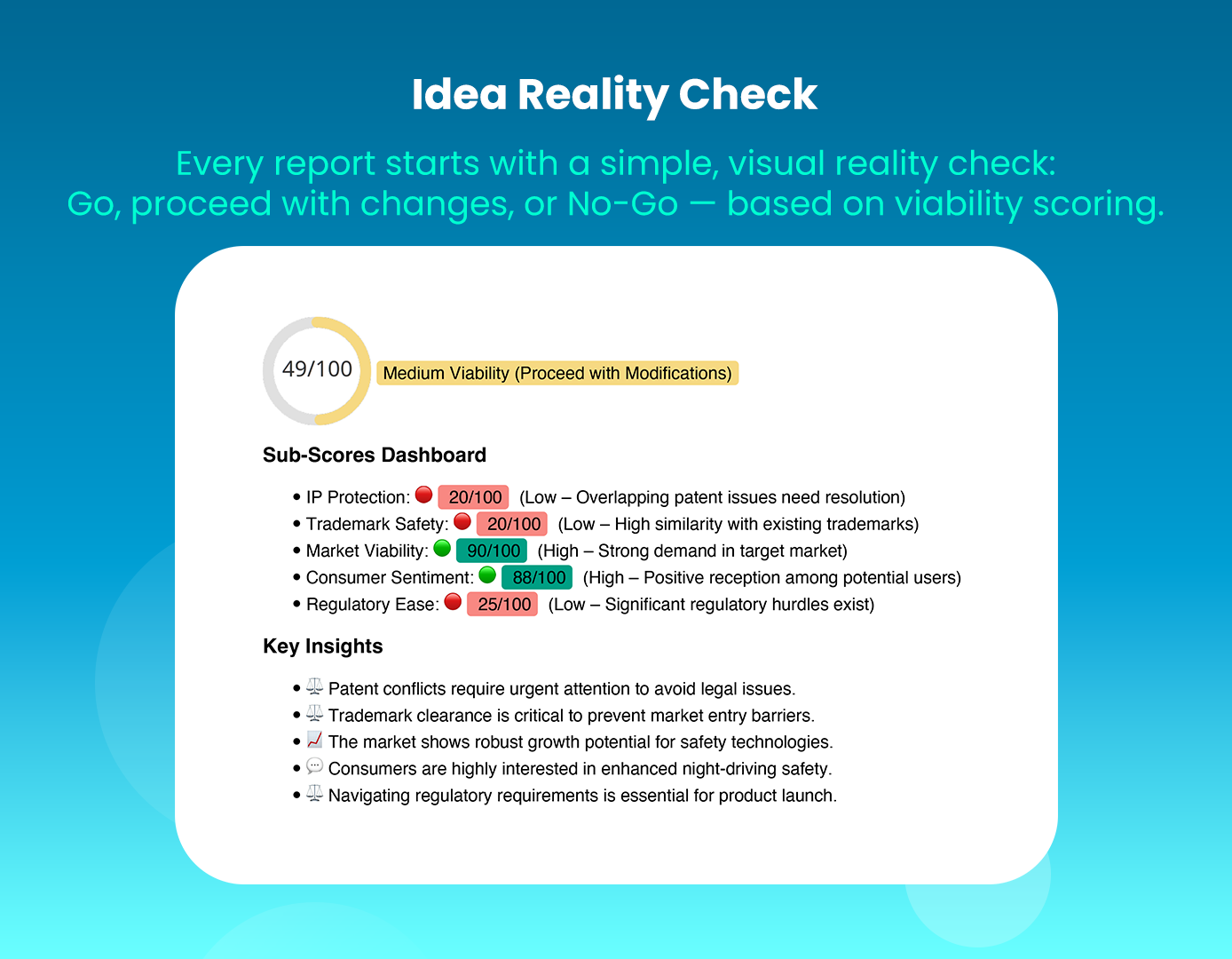
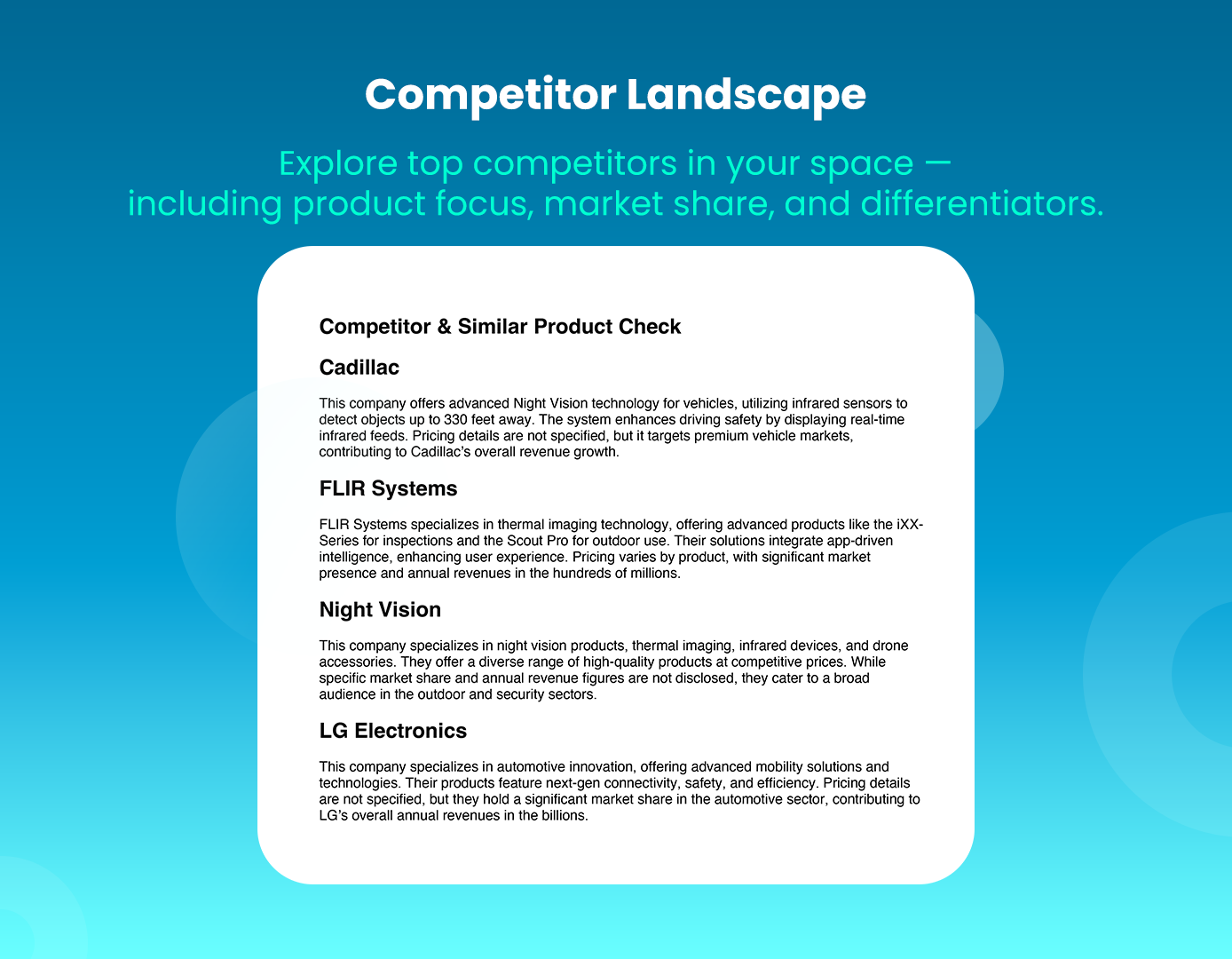
Picture this: You’re buttering toast one morning and boom—you invent a self-warming butter knife in your head. Genius! But before you build it, brand it, and unleash it on the world, pause.  Because as many bright inventors learn the hard way, having a great idea isn’t the same as having a viable product. If you don’t validate your invention properly, that $5,000 prototype might turn into a very shiny, very expensive paperweight.  The good news? You don’t need a law firm, a research team, or a small inheritance to run a proper invention validation process. You just need the right steps—and a tool that doesn’t break the bank.  Let’s show you exactly how it works—with a real example.  Meet Tina, the Solo Inventor with a Toasty Idea Tina is a maker, a hobbyist, and a big fan of melted butter. One night, she dreams up “HotBlade”—a butter knife that stays warm using kinetic energy from the user’s hand. She sketches it on a napkin and wants to know: Is this idea already taken? Will people want it? Can I name it that?  Time to put her through the idea validation journey—with InventaIQ.  Step 1: Patent Conflict Check  Tina logs into InventaIQ and uploads her sketch along with a description: “A butter knife that warms up using motion or body heat to spread cold butter more easily.”  InventaIQ analyses global databases and finds 14 similar patents. Three have high overlap, including a 2009 utility patent for a “hand-warming utensil.” The platform highlights the key claims and explains the difference: hers uses kinetic energy; theirs uses battery power.  Result: Moderate risk. InventaIQ suggests tweaking the tech to avoid claims related to heating elements—and possibly consulting a patent attorney for a deeper dive if she proceeds. Step 2: Trademark Name Check Tina tries “HotBlade” as her product name.  InventaIQ’s trademark check tool flags that “HotBlade” is already registered under kitchen appliances. Not good.  It recommends similar, safer options like “WarmEdge” or “MeltMate”—names with lower lexical overlap and available domain names. Tina picks “MeltMate,” because it’s catchy and conflict-free.  Result: Crisis (and future packaging reorder) averted.  Step 3: Market Viability Assessment Now comes the fun part: would anyone buy this thing? InventaIQ analyzes product listings, consumer reviews, and sentiment around similar products like heated butter dishes, ergonomic spreaders, and fancy kitchen gadgets.  Result: MeltMate has legs (and not just buttered ones). What Did It Cost Tina? Had Tina gone the traditional route:  Instead, she used InventaIQ’s invention validation tool for $39/month. In under an hour, she had: All without needing to explain anything to a lawyer—or needing a legal dictionary.  What’s Actually Inside an InventaIQ Analysis? Whether you’re Tina or someone with a moonshot idea in fitness tech, pet gear, or gadgets-for-gardeners, here’s what you get:  Perfect for anyone doing IP research for new product ideas—without needing a research assistant or six cups of coffee.  Who Is This For? This whole invention validation for side-hustlers approach is built for:  Whether you’ve got a side hustle or a startup, this is startup idea validation minus the drama.  Validate Your Invention—Without Losing Your Shirt  Let’s be honest: the worst-case scenario isn’t that your idea is bad. It’s that you spend thousands on an idea you could’ve improved, rebranded, or shelved before it drained your savings.  With InventaIQ, you get a fast, smart, affordable patent check, a no-nonsense trademark analysis, and real data to tell you if your product is ready for the spotlight—or needs a glow-up first.  Validate your invention today—without breaking the bank. Run your first analysis with InventaIQ, and move from idea to market the smart way. 

A frustrated inventor surrounded by sketches and tools, facing common challenges like patent conflicts, market demand, and prototyping mistakes—highlighting the importance of invention validation with InventaIQ.
Uncategorized

The 5 Biggest Mistakes New Inventors Make (and How InventaIQ Can Help You Avoid Them)

Ever had a late-night idea that felt like it could revolutionize your kitchen, garage, or maybe…the entire world? That’s how it starts. But for many first-time inventors, things can go south faster than a prototype made of duct tape and optimism.  Turns out, having a great idea isn’t enough. You’ve also got to validate your idea, protect your idea before launch, and navigate a surprisingly complex maze of IP and market hurdles. That’s why we’re here.  Let’s walk through the five most common mistakes new inventors make—and how InventaIQ makes avoiding them so simple, it’s almost fun.  Mistake #1: Skipping the Patent Check This one’s like showing up to a costume party in the same outfit as someone else—except it costs you thousands in legal fees.  Many inventors assume their idea is unique. But with millions of patents filed across the globe, you may be reinventing the wheel (and someone might already have a patent on that wheel with suspension and a Bluetooth speaker).  How to check if an idea already exists? That’s where a solid patent search for inventors comes in.  How InventaIQ Helps: It instantly analyses global databases and shows you any potential overlaps. You’ll get a plain-English summary (not patent-lawyer gobbledygook), plus a color-coded “overlap risk” meter. No scrolls, gavels, or Latin required.  Mistake #2: Ignoring Trademark Conflicts Naming your invention is fun—until it turns out someone’s already selling energy drinks or cat sweaters under that name.  And let’s be real: trademark check for product names isn’t just about avoiding lawsuits—it’s about sparing yourself the horror of rebranding your baby after printing 1,000 boxes.  How InventaIQ Helps: Type in your dream product name, and InventaIQ instantly flags potential conflicts. It even suggests safer (and often cooler) alternatives. Bonus: No need to cry over spilled logos. Mistake #3: Not Validating Market Demand You love your invention. Your mom loves your invention. But does the market?  Too many inventors forget to ask: Will anyone actually buy this? Market validation for startups is mission-critical. Because no matter how genius your gadget, it won’t go far if the market says, “meh.” How InventaIQ Helps: It uses live consumer sentiment and competitor data to generate a market viability. If the market’s too crowded or your angle is unclear, InventaIQ tells you before you spend a dime on production. It’s like having a business-savvy friend who’s allergic to bad decisions. Mistake #4: Rushing to Prototype Too Soon If your instinct is to build first and ask questions later… slow your 3D printer. Many invention mistakes to avoid happen because someone jumped into prototyping before properly validating.  And hey, we get it—holding your invention feels amazing. But building too soon can lead to expensive pivots and, worse, a growing pile of “version 1.0 fails.”  How InventaIQ Helps: It guides you through validate your idea before development. One quick analysis gives you data you can use to avoid “Oops, that already exists” or “Oops, no one wants this.” Save your energy for the champagne launch party, not prototype regret.  Mistake #5: Not Documenting or Pitching with Confidence You’ve got a great idea, but your pitch sounds like “Trust me, bro.”  Too many inventors show up to partners or investors with vague enthusiasm and no proof. Without hard data, even the best idea sounds like a daydream.  How InventaIQ Helps: Every analysis ends with a clean, professional invention Launch Risk Report. It covers patent checks, trademark conflicts, competitor insights, and market demand—all in one shareable PDF. It’s like a mic drop, in document form.  How InventaIQ Helps You Avoid All These Mistakes Let’s summarize what happens when you analysis your idea with InventaIQ:  It’s like having a mini think-tank in your browser—powered by real data and AI, not your cousin’s opinion.  One analysis. Five problems solved. All before you waste money on things like a logo or an espresso-powered drone that someone already patented in 2012.  Final Thoughts: Don’t Invent in the Dark It’s totally normal to feel overwhelmed when bringing an idea to life. But it’s not smart to launch blind.  InventaIQ gives you clarity, confidence, and peace of mind—with tools that are normally reserved for big-budget teams. Now they’re in your hands.  Run your first analysis with InventaIQ today—because smart inventors validate first.