Trademarking helps protect that identity from copycats, confusion, and costly disputes as your campaign gains visibility.
This guide walks you through when trademarking makes sense, what to trademark, and how to file without wasting time or money. You’ll learn how to avoid common naming mistakes, understand regional filing differences, and use InventaIQ’s AI-powered brand scans to assess risk before you commit.
Introduction
Crowdfunding makes your brand public — fast.
The moment your campaign goes live, your name, logo, and messaging are visible to competitors, manufacturers, and copycats worldwide.
Trademarking too early can waste money.
Trademarking too late can cost you your brand.
A smart trademark strategy helps you:
- Avoid name conflicts that can force rebranding
- Protect brand equity as your campaign scales
- Prevent takedowns, disputes, or platform issues
- Build long-term credibility with backers and partners
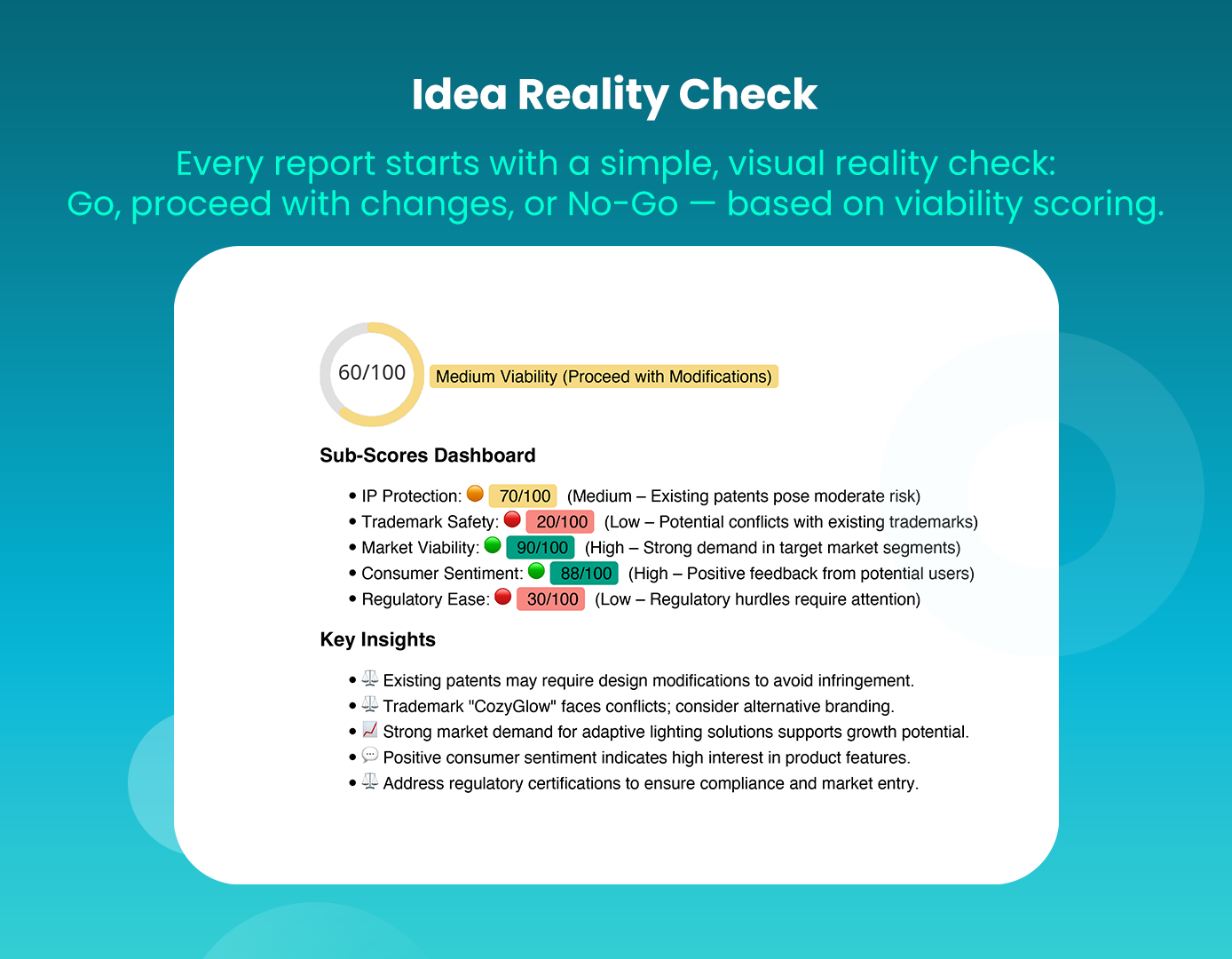
With InventaIQ, creators can evaluate brand readiness before filing — checking name availability, risk signals, and timing — so trademarking becomes a strategic decision, not a panic reaction.
In this guide, you’ll learn how to trademark your brand with clarity, confidence, and purpose.
Why Trademarking Matters in Crowdfunding
Your brand is one of your most valuable long-term assets.
Once a campaign gains traction, brand confusion or infringement can quickly derail momentum.
Trademarking helps you:
- Establish legal ownership of your brand identity
- Reduce the risk of name disputes or forced changes
- Protect marketing investments and domain assets
- Build trust with backers, retailers, and partners
InventaIQ’s campaign analysis shows that creators who validate brand availability early:
- Face fewer post-launch legal interruptions
- Avoid costly rebranding after funding
- Move faster into retail, licensing, or e-commerce
Trademarking isn’t about paperwork — it’s about protecting growth.
What Can Be Trademarked?
Not everything needs a trademark — but some elements matter more than others.
Common trademarkable assets include:
- Brand name (product, company, or campaign name)
- Logo or symbol used consistently
- Taglines or slogans (if distinctive)
What usually can’t be trademarked:
- Generic or descriptive names (“Smart Bottle”, “Eco Bag”)
- Common industry terms
- Functional product features
InventaIQ helps creators assess distinctiveness and risk before filing — flagging names that may be weak, crowded, or high-conflict.
When Should You File a Trademark?
Timing is everything.
Too Early
- Idea not validated
- Brand name may change
- Money spent before traction
Too Late
- Brand already public and copied
- Conflicts discovered after launch
- Forced rebrand damages trust
Best practice timing:
- After idea validation
- Before large-scale marketing spend
- Before retail, licensing, or manufacturing expansion
InventaIQ helps creators identify this “sweet spot” by analyzing:
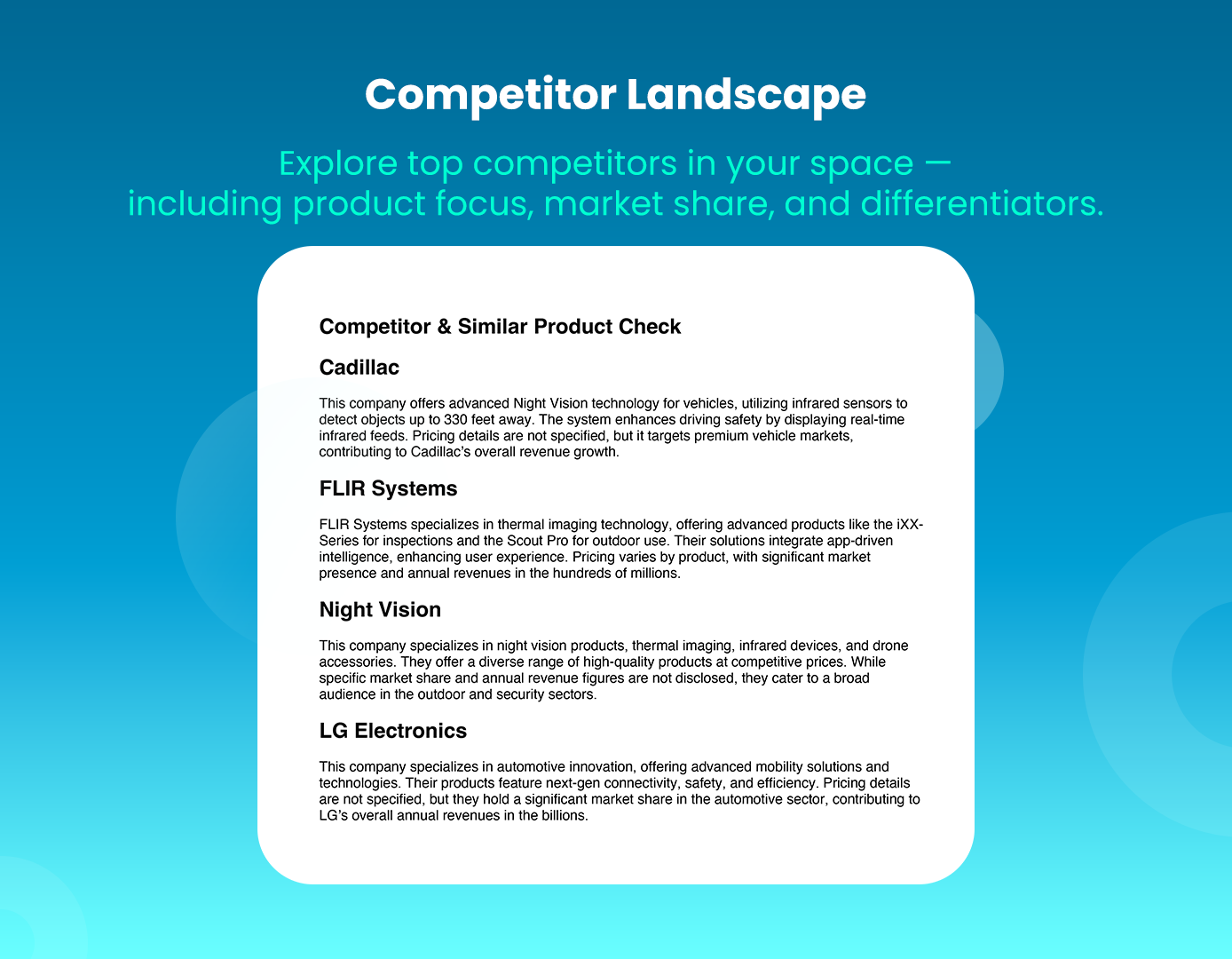
- Market overlap
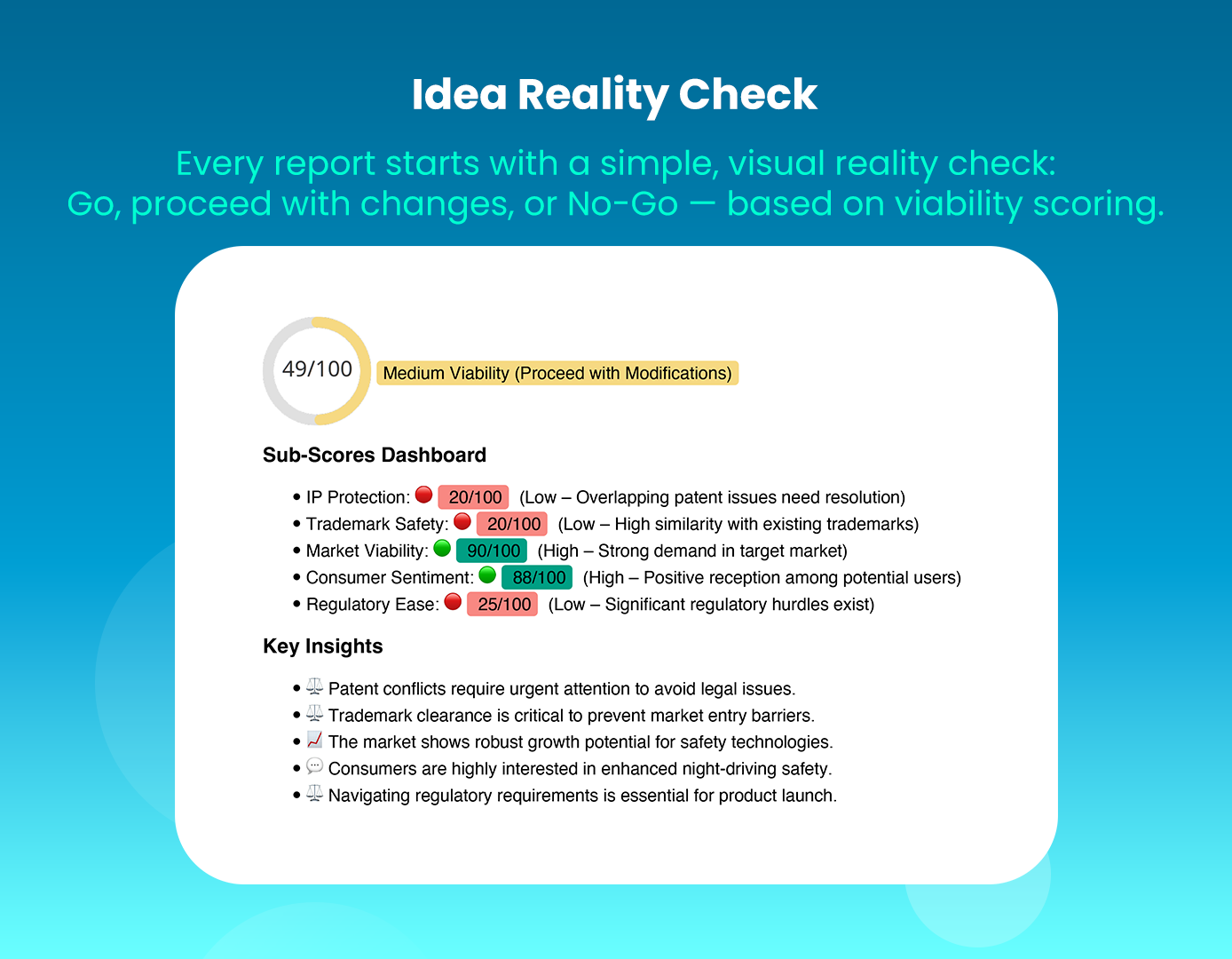
- Name similarity risk
- Campaign visibility level
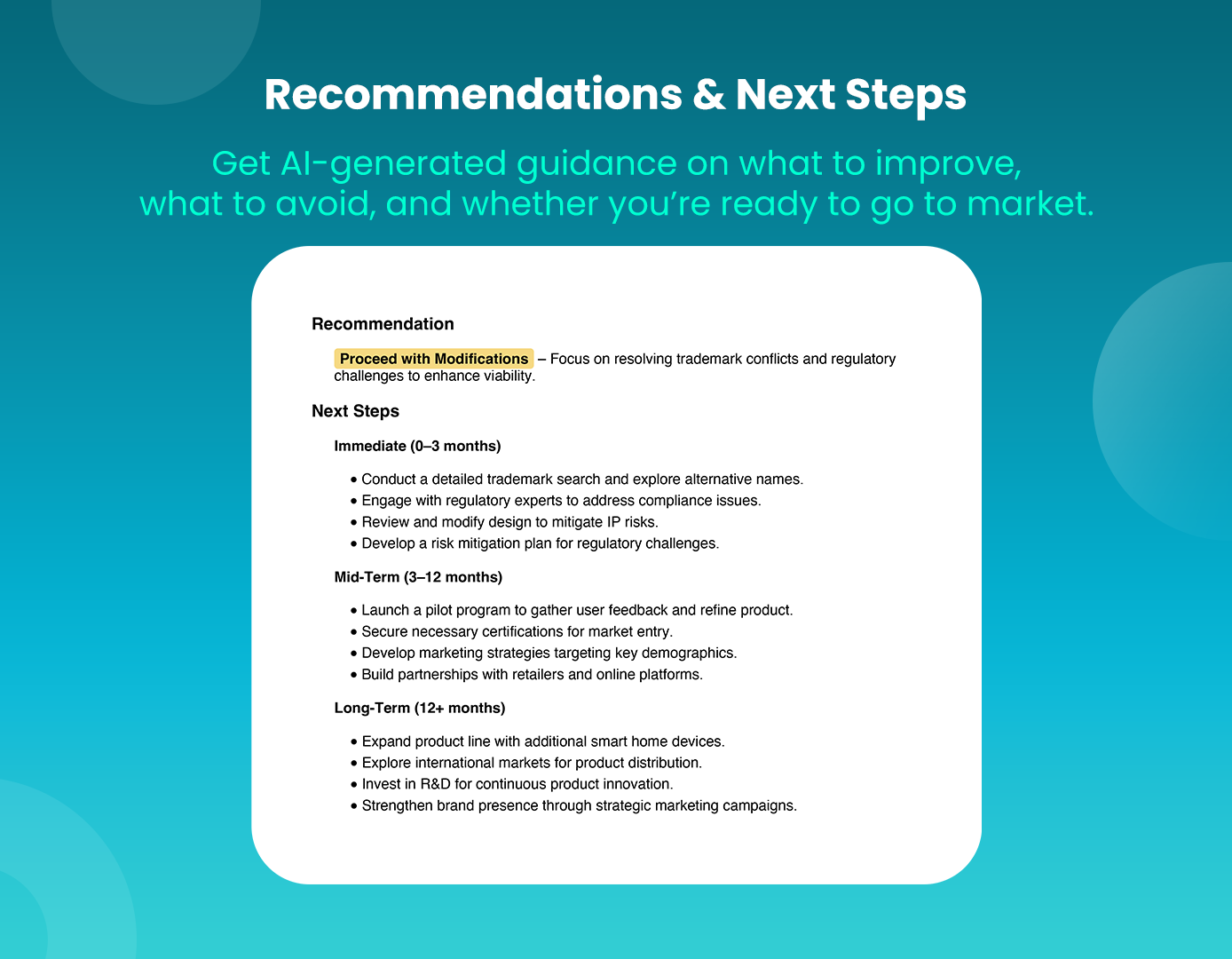
- Go / Pause / Proceed readiness
Trademark Costs & Timelines (What to Expect)
Trademarking isn’t instant — and costs vary by region.
Typical ranges:
- US (USPTO):
Filing: $250–$350 per class
Timeline: 8–12 months - EU (EUIPO):
Filing: ~€850
Timeline: 4–6 months - UK (UKIPO):
Filing: ~£170
Timeline: 3–4 months
Many creators start with one core market, then expand.
InventaIQ helps creators:
- Prioritize regions based on campaign reach
- Avoid unnecessary classes or filings
- Understand whether a provisional approach makes sense
Common Trademark Mistakes to Avoid
Many creators run into trouble due to simple oversights:
- Falling in love with a name before checking availability
- Assuming domain ownership = trademark rights
- Filing without understanding product categories
- Ignoring international exposure from global campaigns
- Waiting until after success to think about protection
A trademark should support growth — not slow it down.
InventaIQ surfaces these risks early, helping creators avoid reactive decisions under pressure.
How InventaIQ Helps You Trademark Smarter
InventaIQ supports brand protection by:
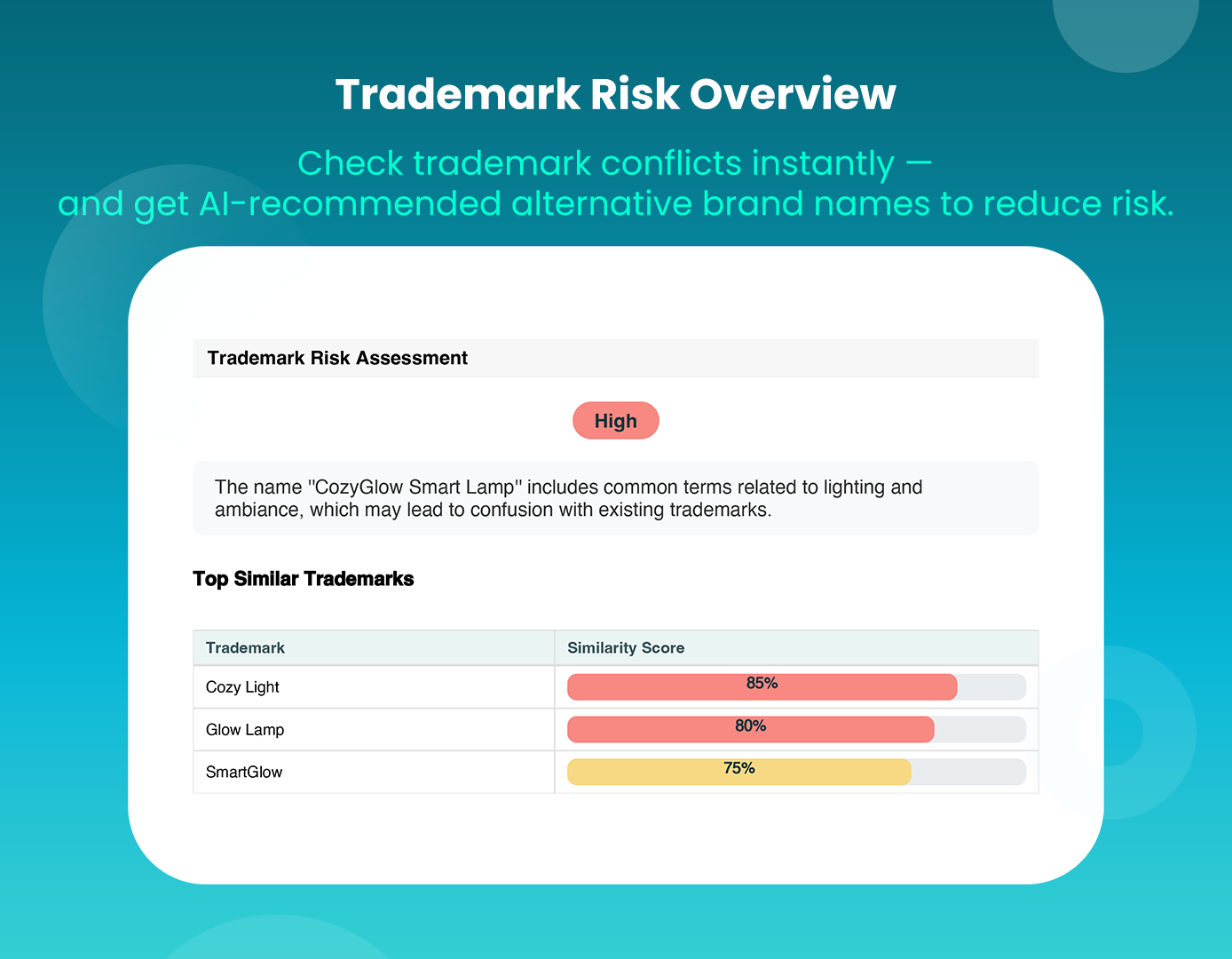
- Scanning brand names for similarity risk
- Flagging crowded or high-conflict categories
- Assessing readiness before filing
- Helping creators decide if, when, and where to file
InventaIQ doesn’t replace legal counsel — it helps you approach trademarking informed, prepared, and confident.
FAQ — Trademarking for Crowdfunding Creators
1. Do I need to trademark my brand before launch?
Not always. Many creators validate their idea first, then trademark once the brand proves viable.
2. Is a domain name the same as a trademark?
No. Owning a domain does not grant trademark rights.
3. Can I trademark a product name and company name separately?
Yes — they are often filed separately depending on use.
4. What happens if my name conflicts with an existing trademark?
You may be required to rebrand, remove content, or face legal challenges.
5. Can I trademark after my campaign launches?
Yes, but risk increases once your brand is public.
6. Do I need to trademark globally?
No. Start with your primary market, then expand strategically.
7. Is a logo or name more important to trademark?
Usually the name first. Logos can follow once branding stabilizes.
8. Can InventaIQ tell me if a name is “safe”?
InventaIQ provides risk indicators and readiness signals — not legal guarantees.
9. How long does trademark approval take?
Anywhere from 3 months to over a year, depending on region.
10. Should I use a lawyer for trademark filing?
For complex cases, yes. InventaIQ helps you decide when professional help is worth it.
Conclusion — Protect the Name You’re Building
Your brand carries the trust you earn from backers.
Protecting it at the right time prevents confusion, conflict, and costly detours.
With InventaIQ’s AI-powered brand validation and compliance insights, creators can approach trademarking with clarity — knowing when to file, what to protect, and how to grow without fear of losing their identity.