This guide explains what Prior Art and Freedom to Operate (FTO) checks are, why they matter, and how InventaIQ’s AI-driven validation tools help creators identify risks, avoid infringement, and move forward with confidence.
Introduction
Many creators rush to launch without realizing their idea may already exist in another form. Performing prior art and FTO checks protects you from legal setbacks and wasted investment.
Prior Art determines whether your idea is new, while FTO assesses whether you can make, use, or sell your product without infringing on others’ rights.
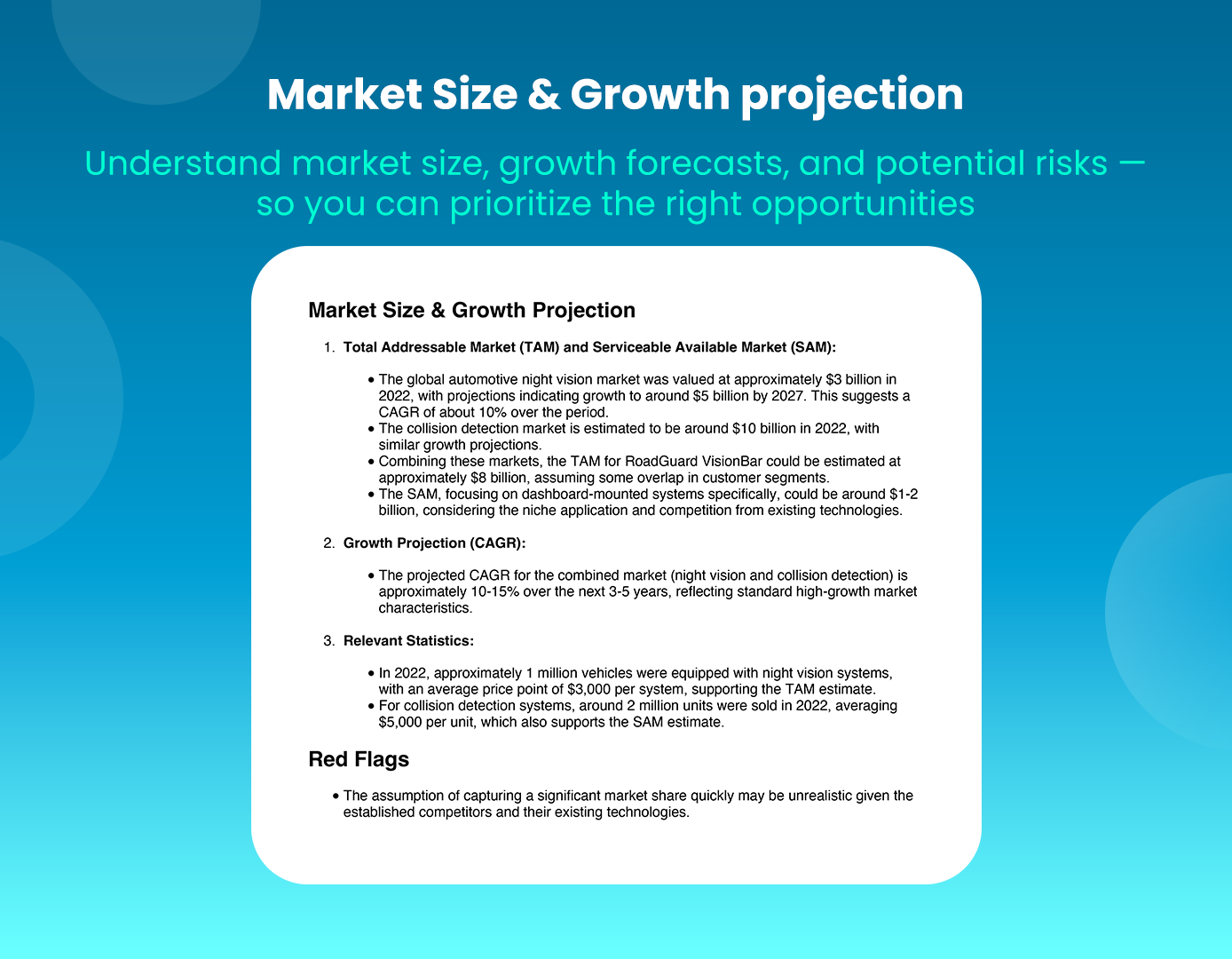
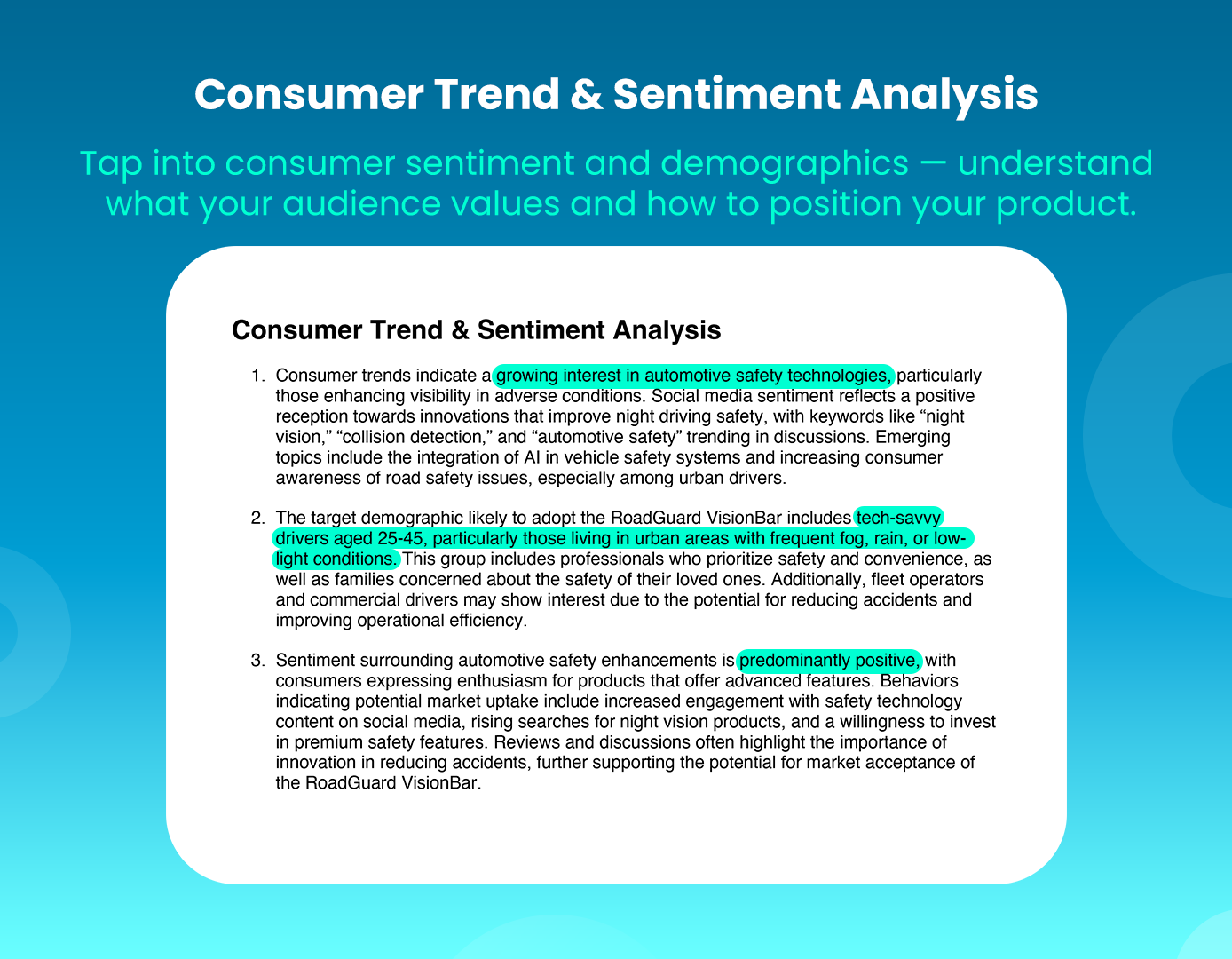
With InventaIQ, these complex checks become simple. Our AI analyzes thousands of patents and related documents worldwide, highlighting overlaps and potential conflicts — giving you the clarity you need before revealing your idea publicly.
What Are Prior Art & FTO Checks?
| Term | Purpose | Focus | Example |
| Prior Art Search | Determines if your invention already exists in published patents or public disclosures | Novelty of your concept | Detecting an existing patent for a similar smart sensor |
| Freedom to Operate (FTO) | Ensures you can make, sell, or use your product without infringing active patents | Legal clearance for commercialization | Confirming no active patents block your product launch. |
Together, these checks give creators a clear view of originality and freedom before committing to production or filing for protection.
Why These Checks Matter for Crowdfunding Creators
- Avoid legal disputes: Early detection of overlapping patents prevents future infringement claims.
- Build investor confidence: A clean IP profile strengthens your credibility with backers and partners.
- Save time and cost: Detecting conflicts early avoids re-designs or halting campaigns mid-launch.
- Validate innovation: Knowing your idea is truly unique adds authenticity and storytelling power to your campaign.
How to Perform Prior Art & FTO Checks with InventaIQ
1. Input Your Concept
Upload your product description, sketch, or concept note. InventaIQ’s AI extracts technical keywords and categories to begin its scan.
2. Run Prior Art Search
The platform compares your idea against millions of global patent records (USPTO, WIPO, EPO) and published documents to identify similar inventions.
3. Assess FTO Results
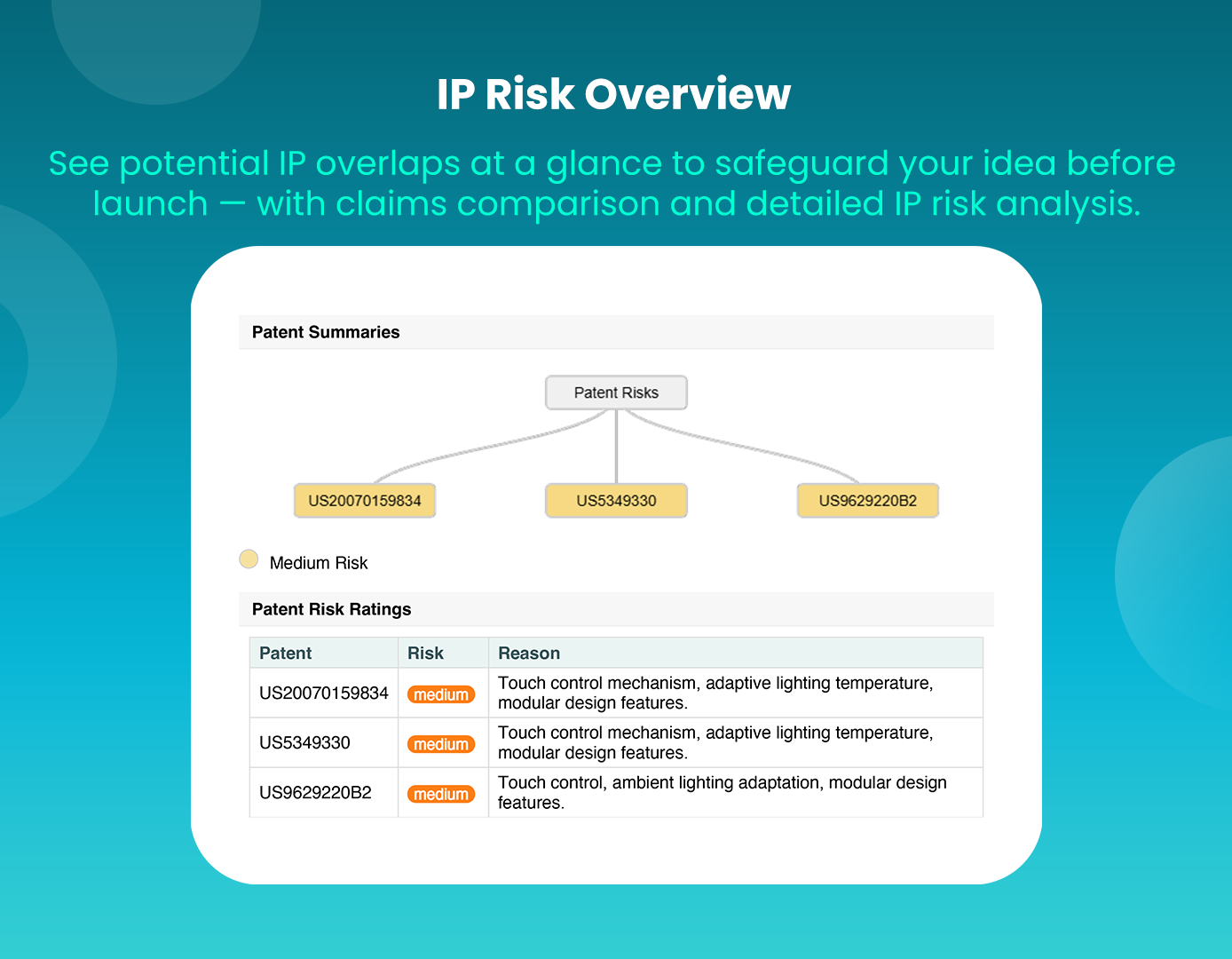
InventaIQ flags active patents that may restrict your ability to launch or sell your product. Each result includes filing status, jurisdiction, and expiration details.
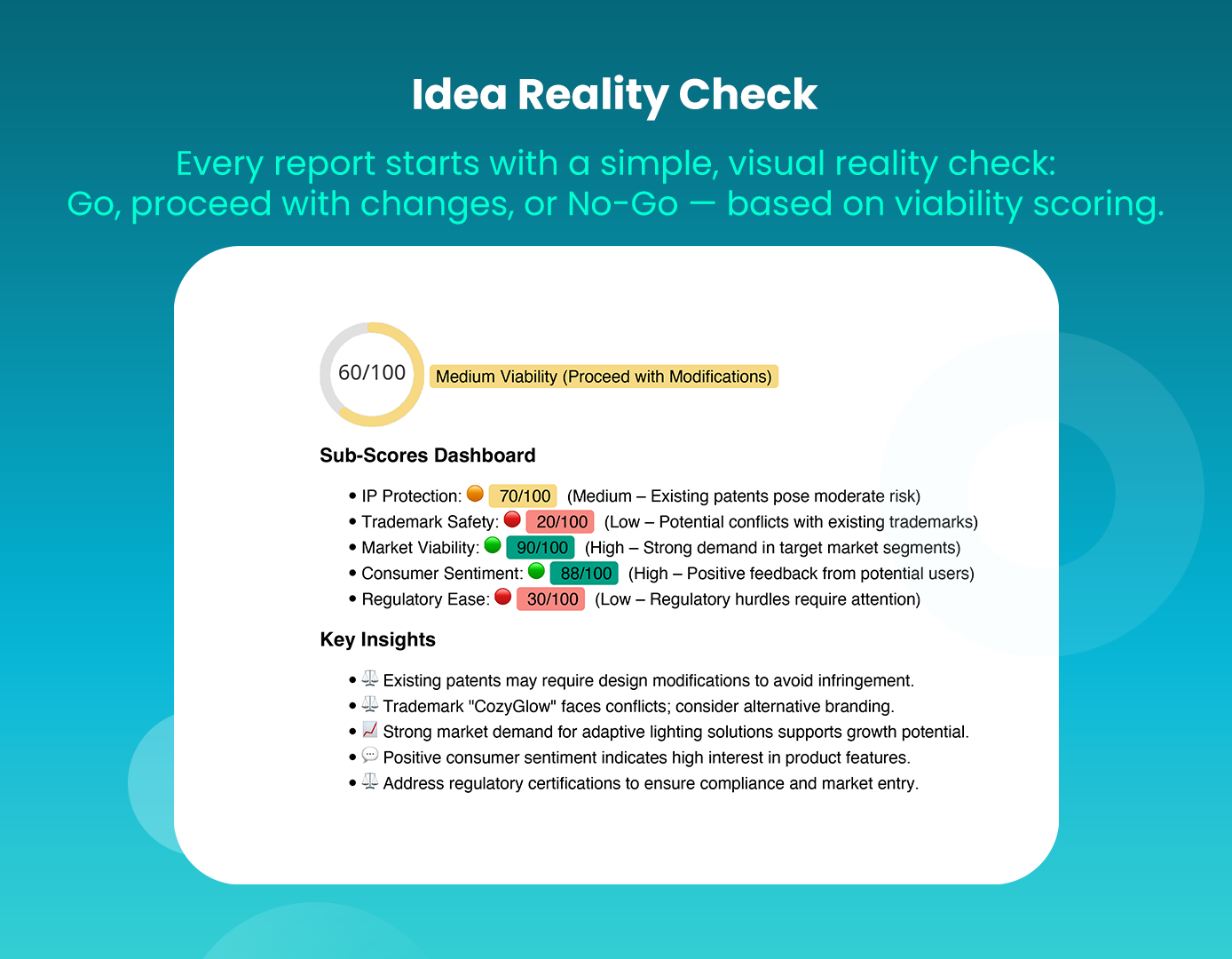
4. Review the Summary Report
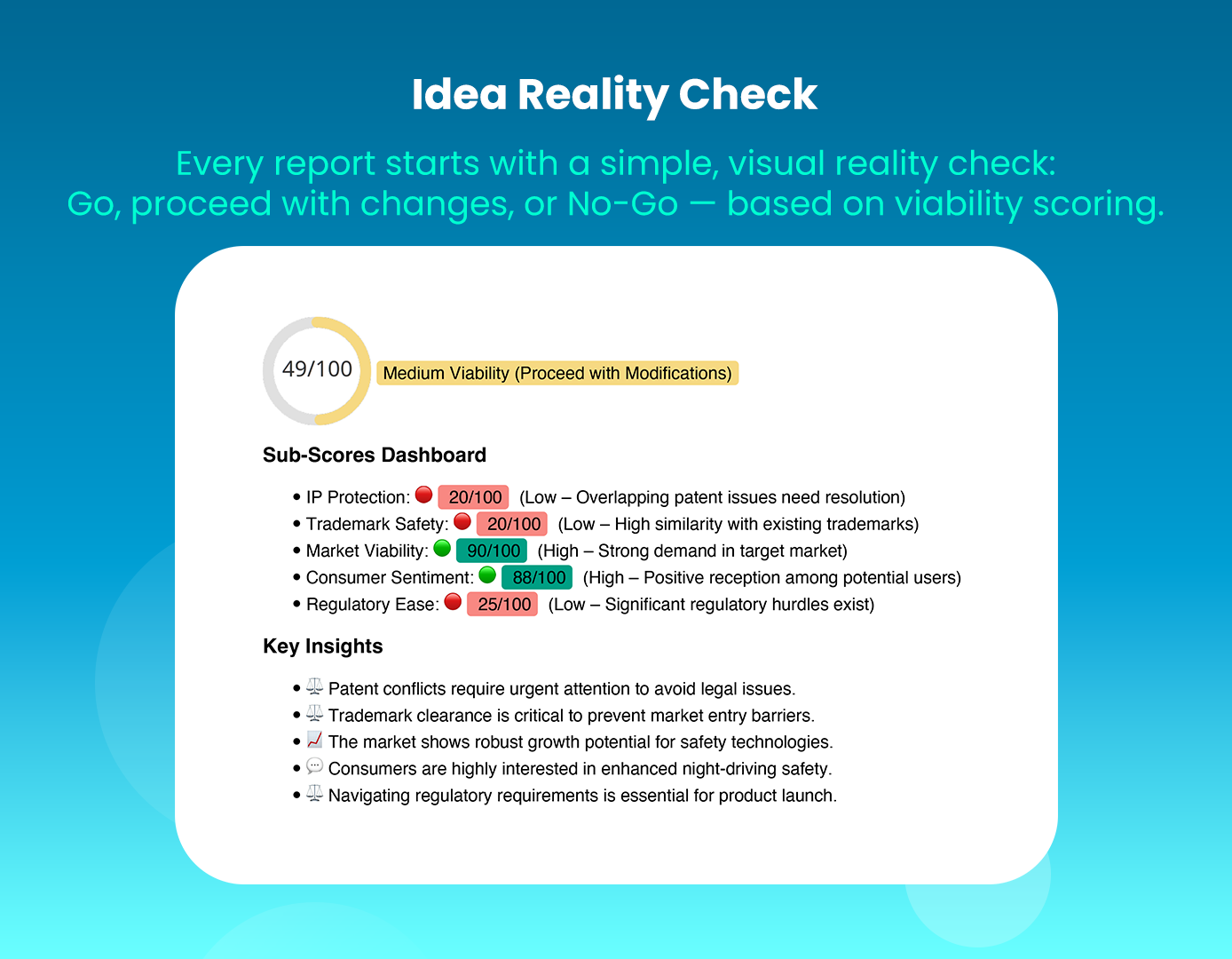
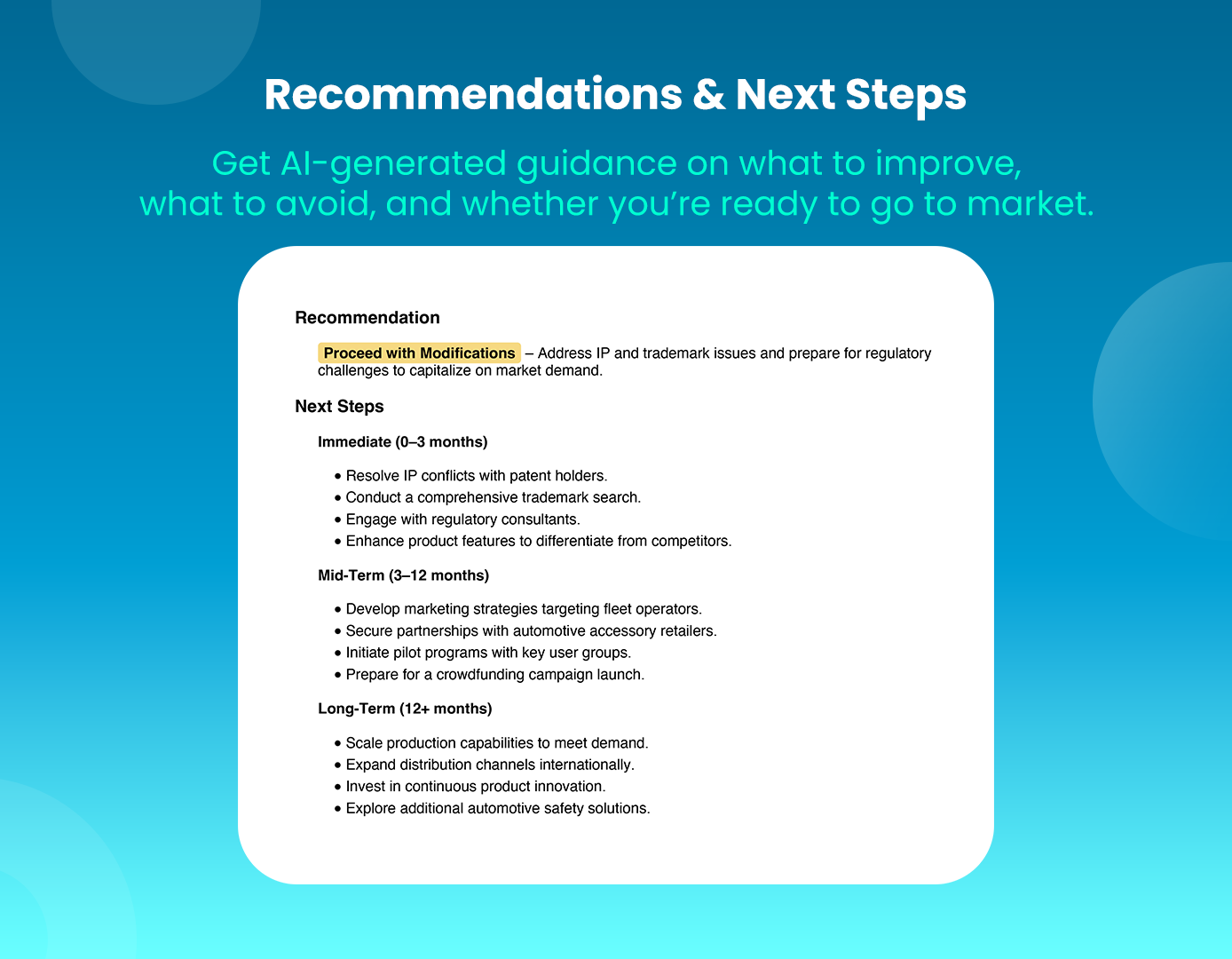
You’ll receive a clear dashboard with:
- Overlap percentage with existing patents
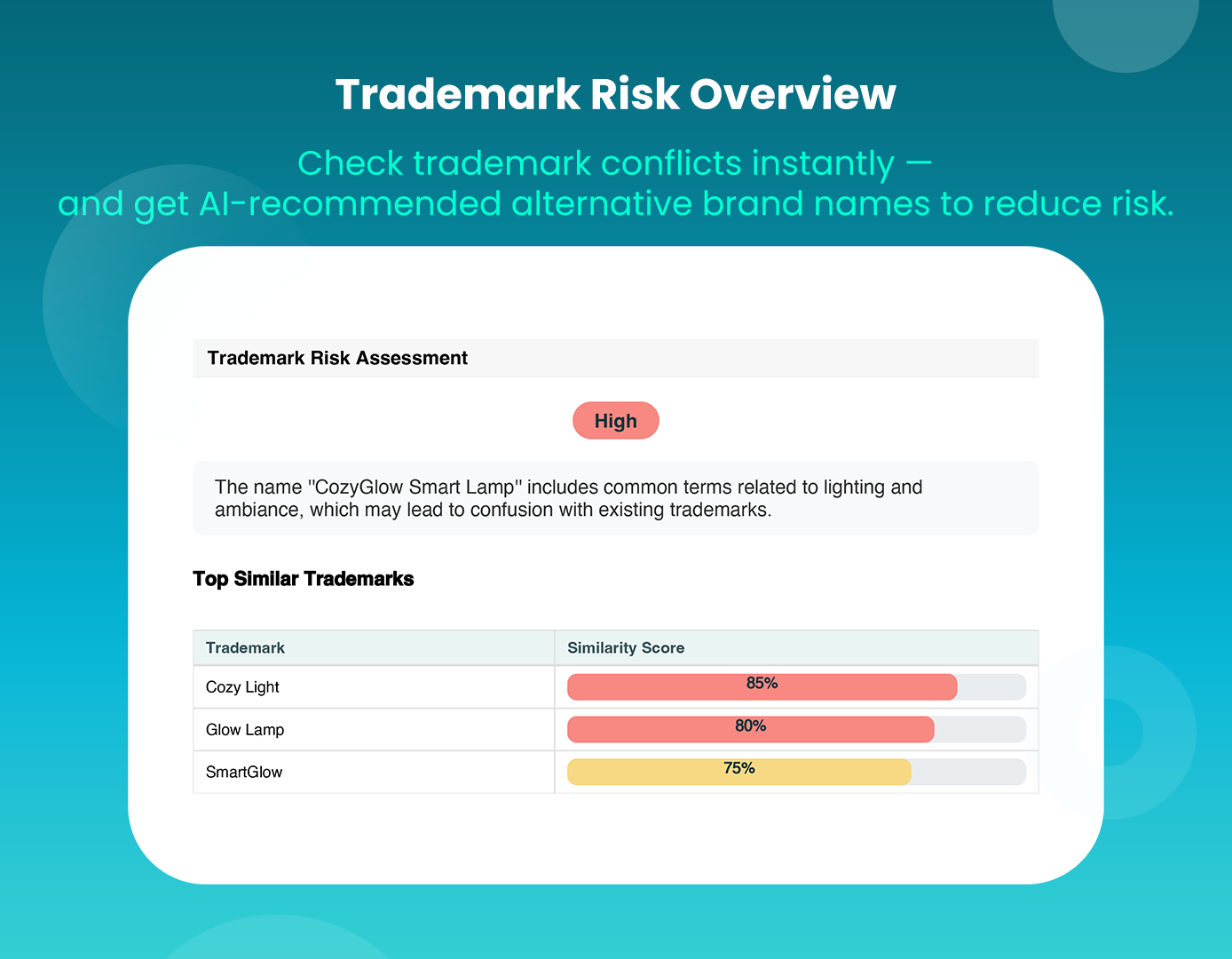
- Risk classification (Low / Moderate / High)
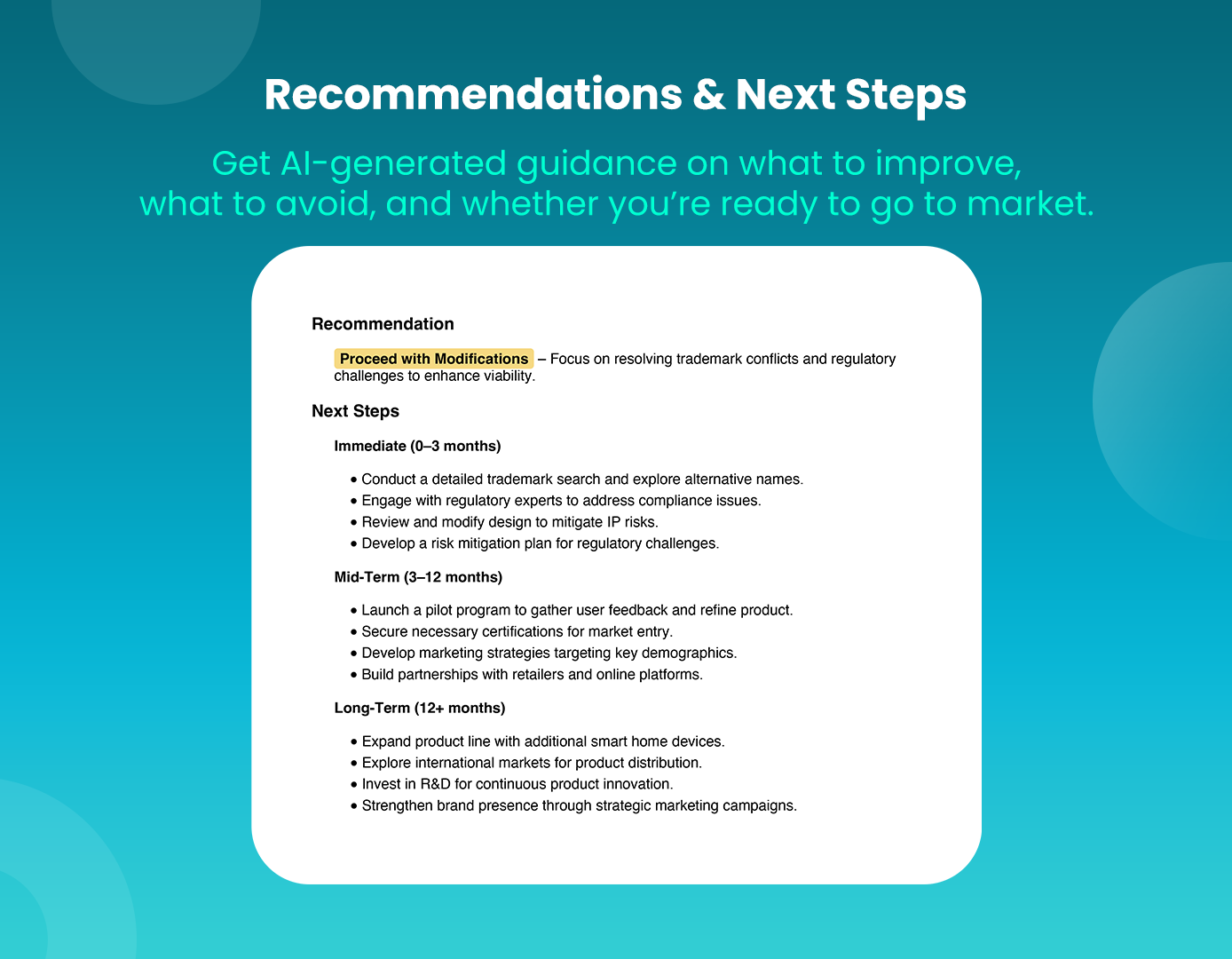
- Suggested next steps (redesign, file provisional patent, or proceed)
5. Refine & Re-validate
If conflicts appear, adjust your design or feature set and re-run the scan — ensuring every iteration moves you closer to a safe, fundable concept.
Common Mistakes Creators Should Avoid
- Assuming online searches replace patent checks. Search engines miss formal patent databases.
- Waiting until after launch to verify IP conflicts. Public disclosure can limit your filing options.
- Ignoring international coverage. Crowdfunding is global; protection should be too.
- Skipping professional review. Even with AI scans, legal consultation is valuable for final clearance.
How InventaIQ Simplifies IP Checks
InventaIQ’s validation engine combines machine learning and patent intelligence to scan across:
- Global patent databases (USPTO, WIPO, EPO)
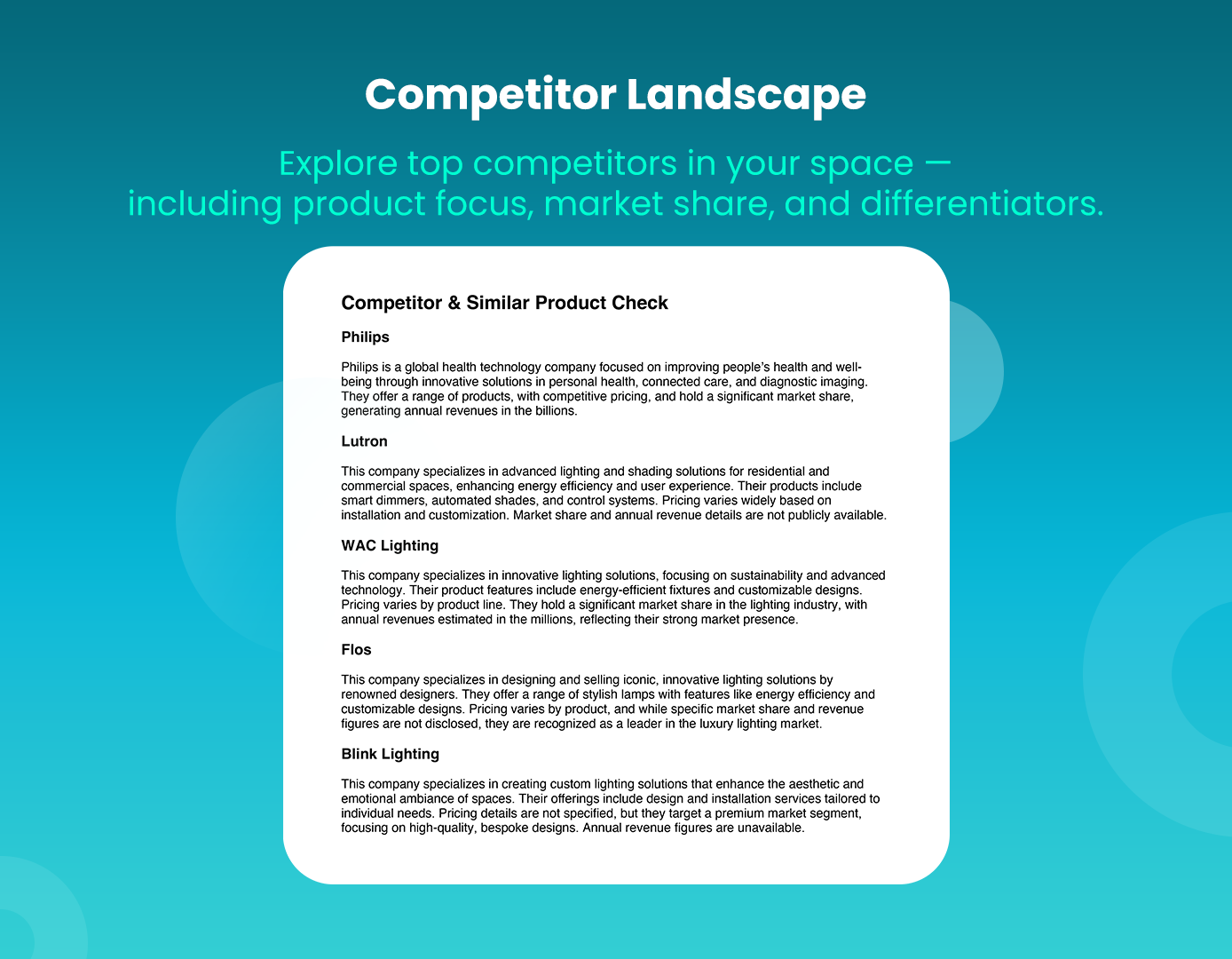
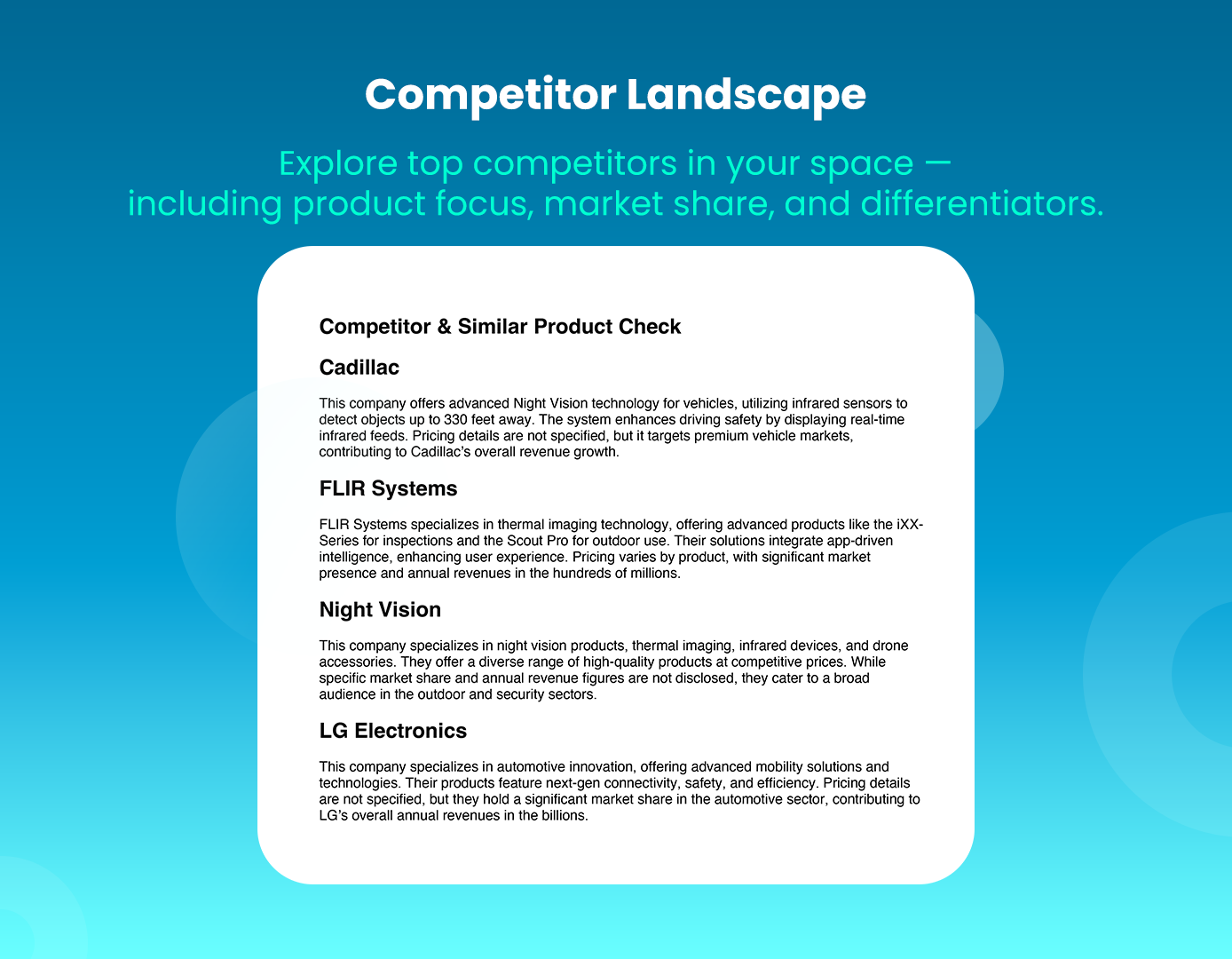
- Crowdfunding archives for product overlap
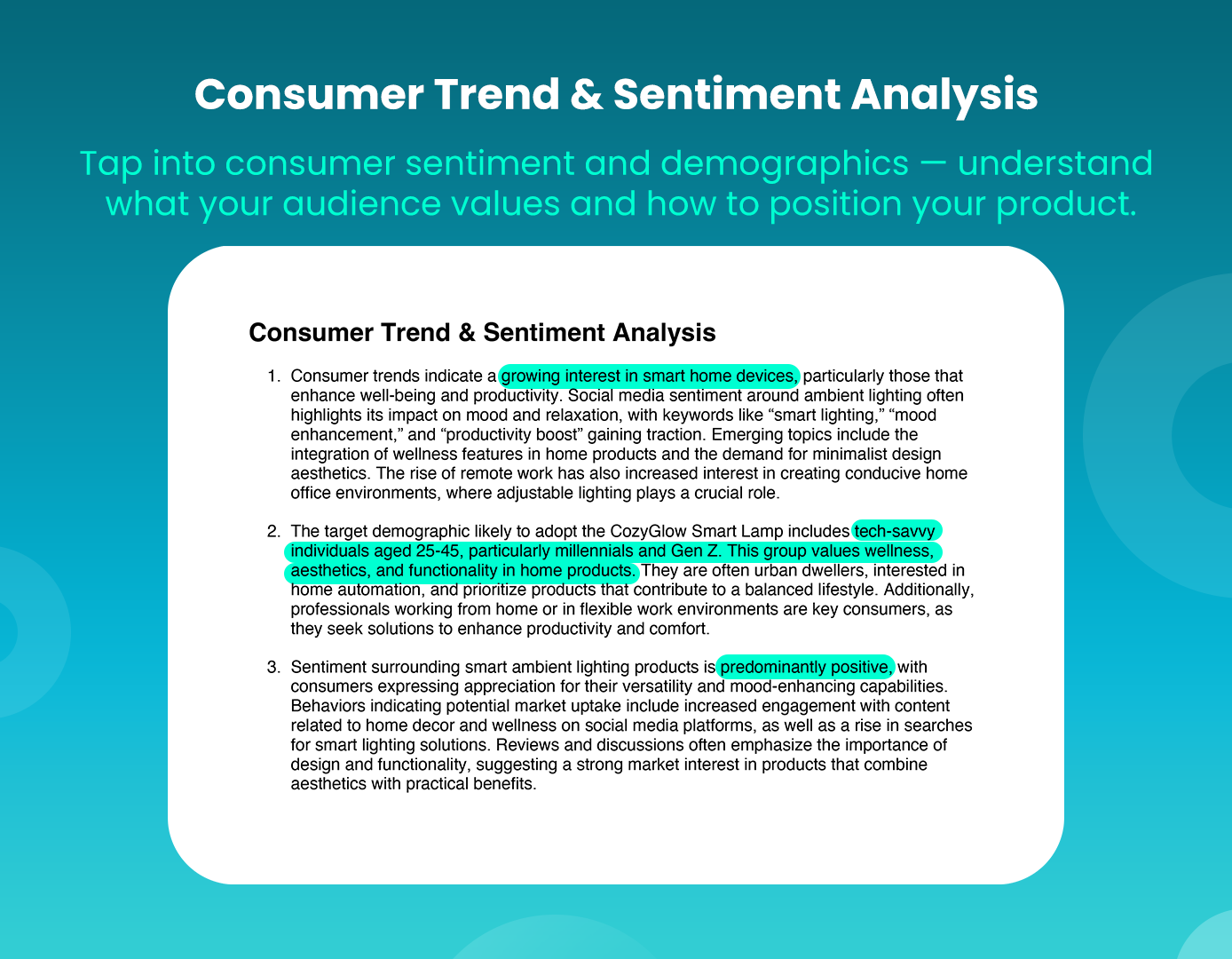
- Category performance and innovation trends
The result is a simple, visual dashboard that helps creators make informed, risk-free launch decisions — without needing to become IP experts.
FAQ
1. What is a prior art search?
A prior art search identifies whether your invention already exists in published patents, articles, or public disclosures. It helps determine the novelty of your idea before filing for protection or launching a crowdfunding campaign.
2. What is a Freedom to Operate (FTO) check?
An FTO check evaluates whether you can legally make, use, or sell your product without infringing active patents. It focuses on legal clearance for commercialization, not novelty.
3. Do I need both prior art and FTO checks before crowdfunding?
Ideally, yes. Prior art confirms originality, while FTO ensures you’re not infringing existing patents. Together, they reduce legal risks, protect your idea, and help build investor confidence before launch.
4. Can I run a crowdfunding campaign without doing an FTO check?
You can, but it’s risky. If an active patent blocks your product, you may face takedowns, redesign costs, or legal claims. An FTO check prevents surprises after you’ve already gained public traction.
5. When should creators perform prior art and FTO checks?
Before publicly revealing your idea — including posting prototypes, launching ads, or publishing campaign pages. Public disclosure can limit your ability to file patents in many countries.
6. Does InventaIQ replace a patent attorney?
InventaIQ identifies overlaps, risks, and potential conflicts using AI and global databases, but it does not replace legal counsel. Use InventaIQ for fast preliminary screening, then consult a professional for final review.
7. What databases does InventaIQ search for prior art and FTO?
InventaIQ scans global IP databases including USPTO, WIPO, and EPO, along with crowdfunding archives, product listings, and related innovation categories.
8. How accurate are AI-based prior art checks?
AI systems can analyze far more data than manual searches, identifying patterns and overlaps quickly. While highly accurate for initial validation, a human expert should verify high-risk cases.
9. What should I do if InventaIQ detects a high-risk conflict?
AI systems can analyze far more data than manual searches, identifying patterns and overlaps quickly. While highly accurate for initial validation, a human expert should verify high-risk cases.
10. Do prior art checks affect my ability to file a patent later?
No. Running a search does not impact your rights. What matters is avoiding public disclosure before filing your application, which can limit patentability in many jurisdictions.
Conclusion — Check Early, Launch Securely
Prior art and FTO checks aren’t optional — they’re essential for protecting your idea and your credibility.
With InventaIQ, you can identify risks early, make confident design decisions, and ensure your product is legally ready to fund.