This guide helps you set pledge prices that balance perceived value, profitability, and conversion potential, using data-driven insights from InventaIQ’s AI-powered pricing tools.
Learn how to price your product for success while maintaining healthy margins and motivating backers to upgrade tiers.
Introduction
The right price tells a story — one of value, trust, and accessibility.
Price too high, and you risk deterring backers. Price too low, and you undermine your credibility or profit. The sweet spot lies in finding a balance between what backers are willing to pay and what sustains your production goals.
That’s where InventaIQ’s pricing intelligence comes in. By analyzing data from thousands of campaigns across platforms, the AI reveals optimal pricing ranges, psychological thresholds, and reward-tier performance benchmarks — giving creators a scientific edge in pricing decisions.
Why Pricing Strategy Matters
A strong pricing strategy influences every campaign metric — from conversion rates to total funding raised.
With well-calibrated prices, you can:
- Increase conversions: By aligning value with perceived fairness.
- Boost average pledge values: Through smart tier spacing and upsell design.
- Protect profit margins: By avoiding underpriced tiers or unsustainable rewards.
- Build trust: Backers recognize transparency in clear, consistent pricing.
InventaIQ’s AI tools simulate campaign outcomes at different price levels — predicting how changes affect conversion, volume, and total funding.
How to Build a Value-Based Pricing Strategy
Step 1 — Understand Your Value Proposition
Ask: What problem does your product solve, and how does it compare to alternatives?
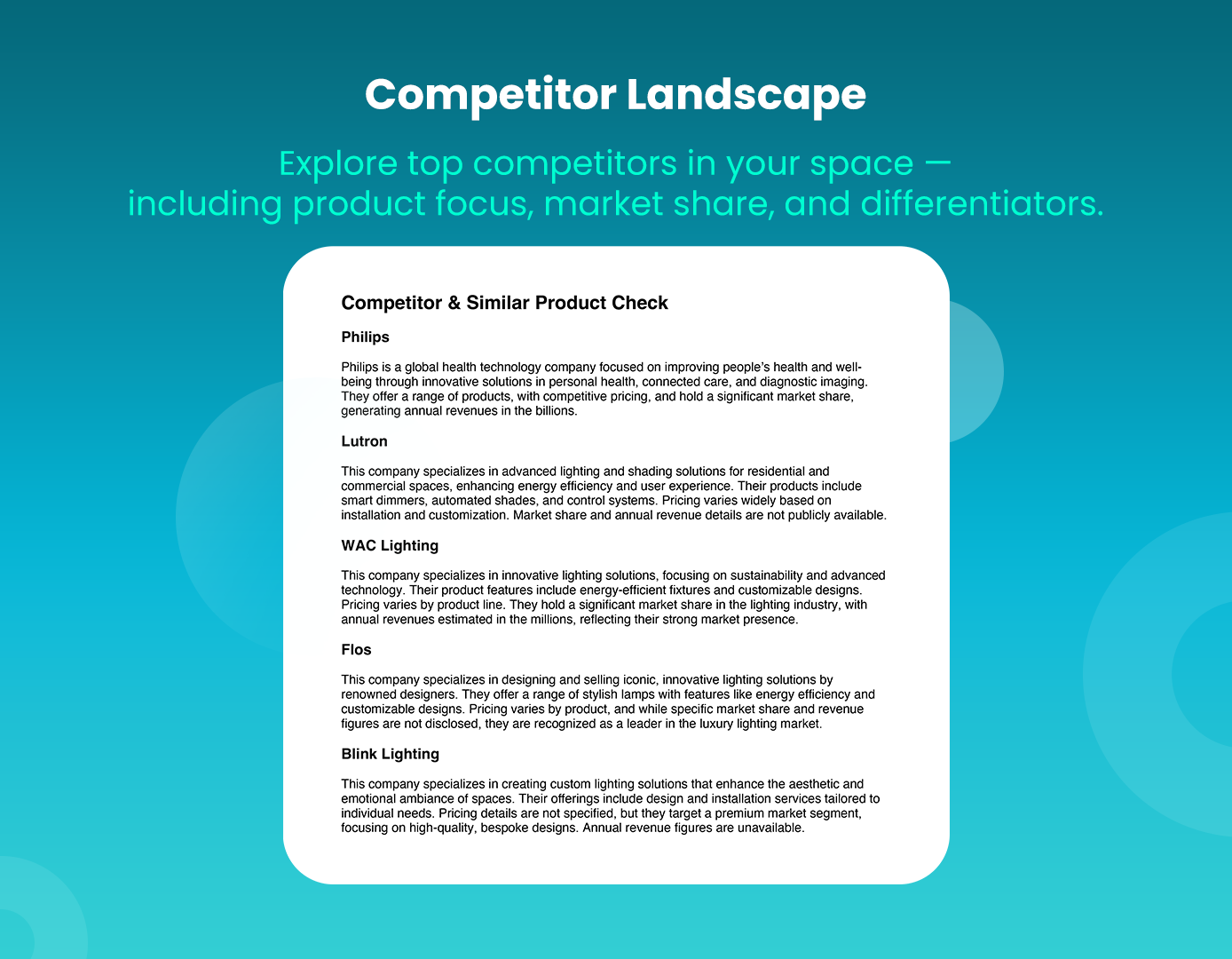
Use InventaIQ’s Competitor Benchmark Tool to compare price points, product positioning, and perceived value across similar campaigns.
Step 2 — Calculate Your True Cost Base
Start with your COGS (production, packaging, fees, shipping) and add your desired margin.
InventaIQ’s Profit Simulator helps you calculate minimum viable prices while visualizing profit distribution per tier.
Step 3 — Test Psychological Price Points
Round numbers can feel expensive. Odd pricing (e.g., $49 instead of $50) often boosts conversions by 5–10%.
The AI model recommends optimal price anchors for your product category, factoring backer psychology and historical data.
Step 4 — Create Tiered Value Options
Offer 3–5 price levels that appeal to different backer intents — from entry-level supporters to premium buyers.
Ensure each higher tier offers tangible, visible value (e.g., added accessories, exclusivity, or faster delivery).
Step 5 — Validate with Real Feedback
Use pre-launch landing pages and surveys to test pricing sensitivity. InventaIQ integrates with ad data and signup conversions to show which price points perform best.
Example Pricing Frameworks
| Tier Type | Goal | Example Price | Ideal Use |
| Entry Tier | Accessibility | $25–$39 | Small add-ons, thank-you notes |
| Core Tier | Main Product | $49–$99 | Standard reward offering |
| Bundle Tier | Upsell | $119–$149 | Multiple-unit discounts |
| Premium Tier | Exclusivity | $199–$299 | Limited edition or signed versions |
Common Pricing Mistakes to Avoid
- Setting prices without factoring in COGS or platform fees.
- Offering too many similar-priced tiers (creates confusion).
- Ignoring international shipping cost variations.
- Not aligning pricing with reward quality or scarcity.
- Underpricing early-bird offers without proper margins.
How InventaIQ Optimizes Pricing for Creators
- AI Price Simulator: Tests multiple price points and predicts total funding potential.
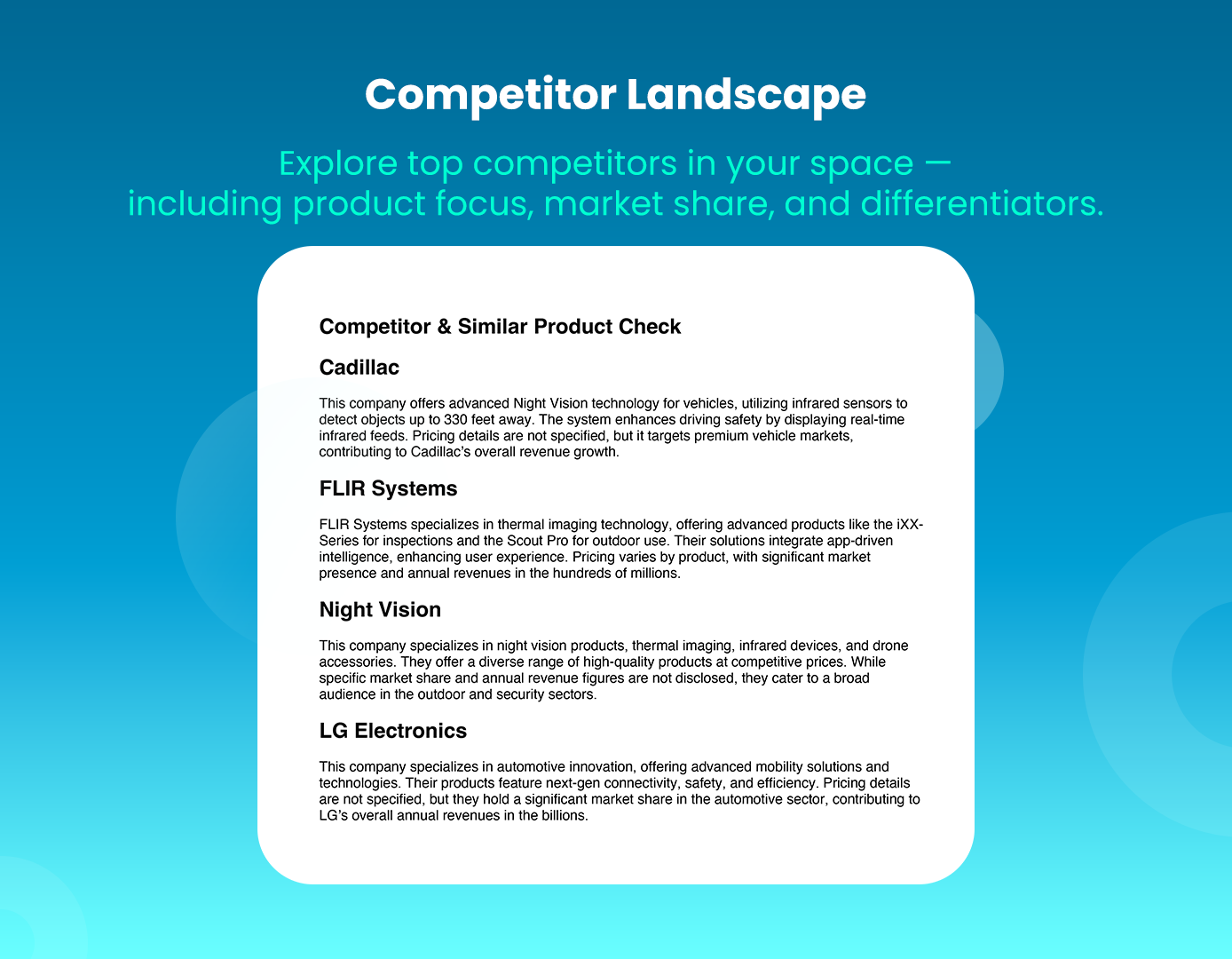
- Competitor Analysis: Benchmarks similar products across Kickstarter and Indiegogo.
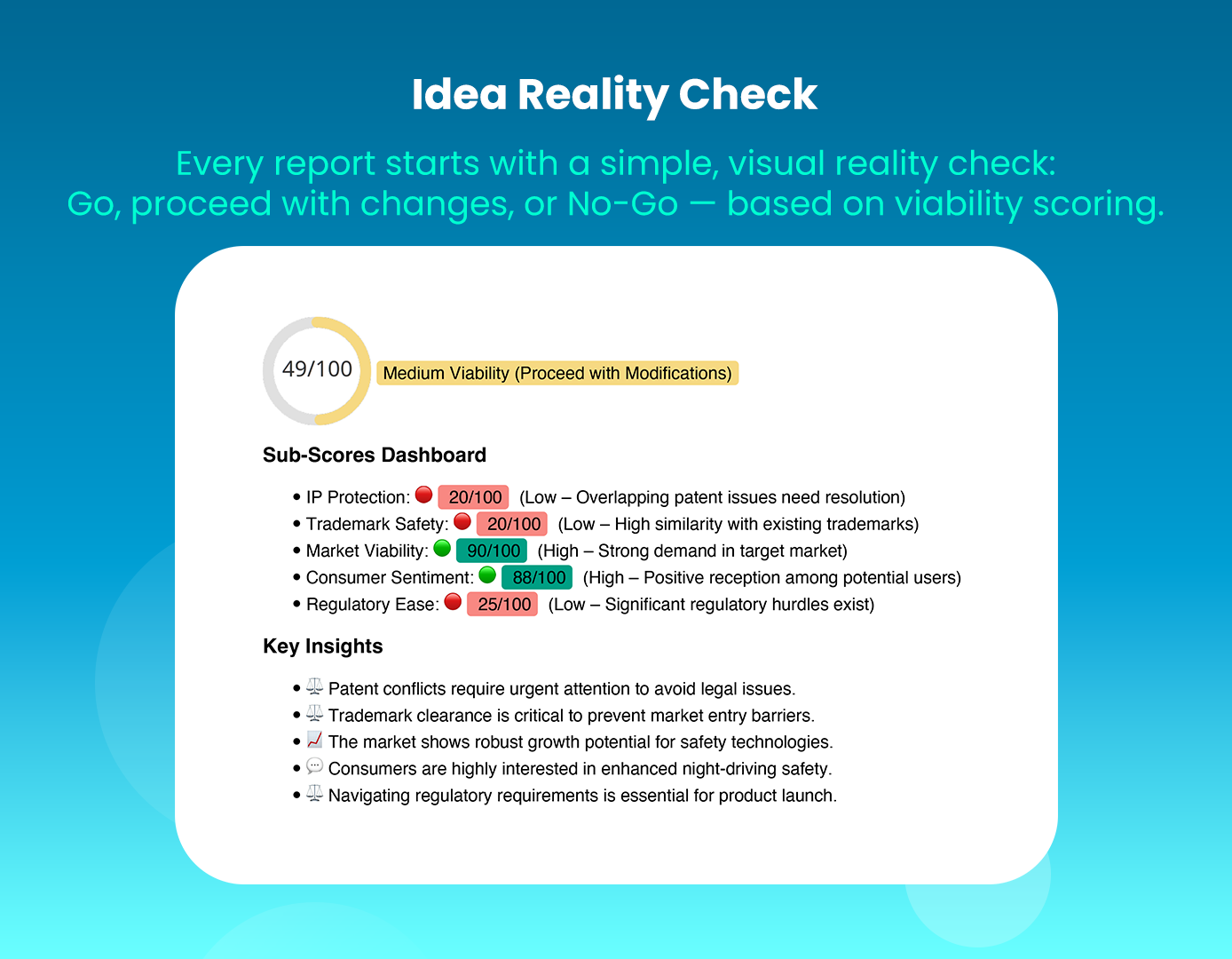
- Profit Margin Alerts: Flags unprofitable tiers before launch.
- Data Visualization: Displays conversion potential by reward level.
FAQ — Pricing Strategy for Crowdfunding Creators
1. What is a pricing strategy in crowdfunding?
A pricing strategy defines how you set pledge levels and reward prices to maximize conversions, profitability, and backer trust. It ensures that your prices reflect both the value of your product and the true cost of fulfilling rewards.
2. How does InventaIQ help creators set the right prices?
InventaIQ analyzes thousands of campaigns to recommend optimal price points, highlight psychological pricing thresholds, compare competitor pricing, and simulate campaign outcomes at different values. It also checks your margins through its Profit Simulator.
3. How many pricing tiers should I include in my campaign?
Most successful campaigns use 3–5 well-structured tiers, including:
- Entry Tier
- Core Product Tier
- Bundle Tier
- Premium/Exclusive Tier
This keeps choices simple and encourages higher-value pledges.
4. What factors should I consider when setting my pledge prices?
You should include:
- Production & COGS
- Packaging & handling
- Shipping (regionalized)
- Platform + processing fees
- Taxes & duties
- Desired profit margin
- Competitor pricing
- Psychological price thresholds
5. What is psychological pricing and why does it matter?
Psychological pricing (e.g., $49 instead of $50) leverages perception to increase conversions. Small price adjustments often influence buying decisions, especially on reward tiers where perceived value drives pledges.
6. How can I price my tiers to maximize conversions?
Use these principles:
- Keep price gaps between tiers around 20–30%
- Make each upgrade feel like a meaningful increase in value
- Ensure early-bird tiers are limited and profitable
- Offer bundles with visible savings
7. How do I know if my prices are profitable?
Use your COGS ratio:
COGS ÷ Average pledge value = Ideal margin percentage
A healthy margin for crowdfunding is typically 40–60%.
InventaIQ provides profit warnings if any tier is underpriced.
8. Should I offer heavily discounted early-bird tiers?
Only if margins remain safe. Early-bird tiers drive momentum but should never be offered at a loss. InventaIQ checks your per-tier profitability to prevent underpricing.
9. How can I test whether my target audience will accept my pricing?
You can validate pricing through:
- A/B testing landing pages
- Micro ad tests
- Pre-launch surveys
- Early access previews
InventaIQ integrates these signals to show pricing sensitivity trends.
10. Should my pricing include shipping or charge separately?
Most creators charge shipping separately at checkout to avoid margin loss. However, including shipping in the reward price can work if you model costs precisely. InventaIQ helps simulate both approaches.
11. What is the most common pricing mistake creators make?
The biggest mistake is setting prices without accounting for total COGS, including regional shipping, duties, partner fees, and platform fees. This leads to razor-thin margins or post-campaign losses.
12. How can InventaIQ’s AI improve my pricing strategy?
InventaIQ provides:
- Price simulations
- Category benchmarks
- Psychological pricing recommendations
- Margin dashboards
- Reward and bundle optimization insights
Together, these tools ensure your pricing is strategic, competitive, and profitable.
Conclusion — Price with Purpose, Fund with Confidence
Pricing isn’t just numbers — it’s strategy.
With InventaIQ, creators can turn pricing uncertainty into clarity, optimizing pledge levels for conversion, profit, and credibility.
The result? A campaign that’s both financially sound and psychologically compelling.