A post-mortem turns real campaign outcomes into reusable intelligence, helping creators avoid repeating mistakes and scale future launches with confidence.
This guide walks you through how to run a structured crowdfunding post-mortem using performance data, timelines, costs, and backer feedback. Learn how to analyze what happened, document lessons learned, and feed those insights back into your next campaign — faster, smarter, and with fewer risks.
Introduction
Every crowdfunding campaign leaves behind valuable signals — in numbers, comments, timelines, and decisions.
But most creators move on too quickly, missing the chance to convert experience into advantage.
A post-mortem is the process of reviewing your campaign after it ends to understand what worked, what didn’t, and why. It’s not about blame — it’s about clarity.
With InventaIQ’s post-campaign analytics and AI-assisted review tools, creators can examine funding performance, cost variance, delivery accuracy, and backer sentiment in one place.
In this guide, you’ll learn how to run a practical post-mortem, capture actionable lessons, and use them to improve your next launch — whether it’s a relaunch, a new product, or an e-commerce transition.
Why Post-Mortems Matter in Crowdfunding
Crowdfunding success compounds — but only if you learn from it.
A structured post-mortem helps creators:
- Identify which strategies actually drove funding
- Understand where timelines or costs slipped
- Spot messaging or reward gaps that confused backers
- Improve forecasting for future launches
- Build credibility with repeat backers and partners
InventaIQ’s analysis shows that creators who conduct structured post-mortems before relaunching reduce budget overruns by 20–30% and improve delivery accuracy significantly compared to first-time launches.
The Crowdfunding Post-Mortem Framework
1. Performance Review — Did the Campaign Behave as Expected?
Start with the numbers.
Review:
- Final funding vs original goal
- Daily funding velocity
- Conversion rate and average pledge value
- Traffic sources that performed best
Ask:
- Where did momentum peak or dip?
- Did results match pre-launch forecasts?
InventaIQ’s Performance Summary highlights deviations between planned and actual outcomes, helping you pinpoint what moved the needle.
2. Cost & Margin Analysis — Where Did the Money Go?
Next, examine financial accuracy.
Review:
- COGS vs projected COGS
- Shipping and fulfillment costs
- Platform fees, taxes, and refunds
Common findings:
- Underestimated shipping zones
- Reward tiers with poor margins
- Add-ons that increased complexity
InventaIQ’s Cost Variance Analyzer flags margin leaks and highlights tiers that should be restructured or removed next time.
3. Timeline Accuracy — Did You Deliver When You Said You Would?
Compare promised timelines with reality.
Review:
- Manufacturing start vs plan
- Fulfillment delays
- Update frequency during delays
Ask:
- Which stages slipped — and why?
- Were risks communicated early enough?
Accurate timeline analysis improves future delivery promises and builds long-term trust with repeat backers.
4. Backer Feedback & Sentiment — What Did Supporters Really Feel?
Backer comments are qualitative gold.
Analyze:
- Common questions or complaints
- Praise or repeated appreciation points
- Refund reasons or churn signals
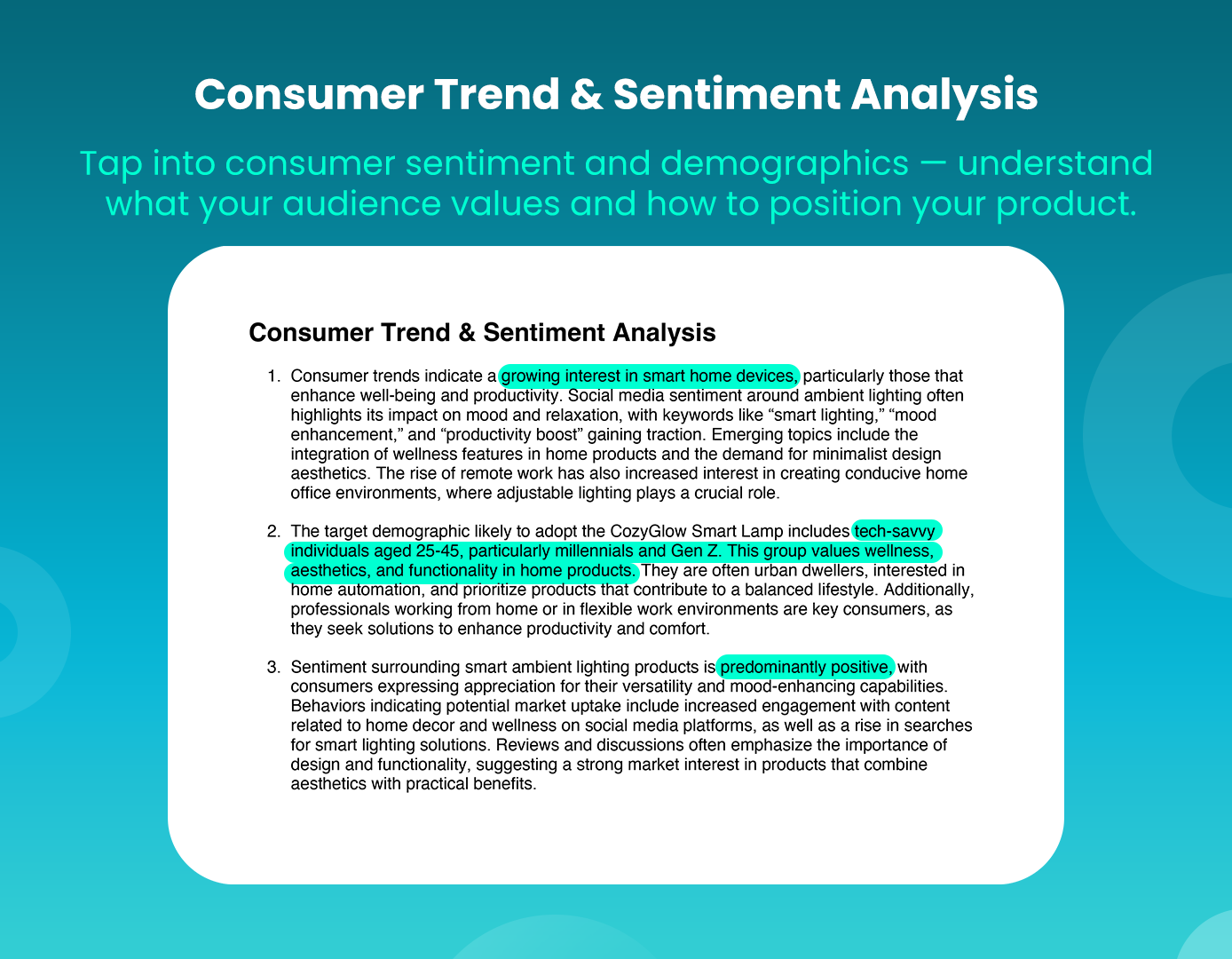
InventaIQ’s Sentiment Insights cluster feedback into confidence signals, confusion points, and risk concerns — helping you refine messaging and FAQs for future campaigns.
5. Execution Review — What Would You Do Differently?
Finally, step back and reflect.
Document:
- What worked better than expected
- What slowed execution
- What you would simplify or remove
This becomes your playbook for the next launch.
InventaIQ stores post-mortem notes alongside campaign data so lessons remain accessible when planning future projects.
Common Post-Mortem Mistakes to Avoid
- Skipping analysis once funding succeeds
- Focusing only on revenue, not delivery
- Ignoring qualitative backer feedback
- Not documenting lessons in a reusable format
- Treating each campaign as a “fresh start”
The real advantage comes from continuity — not reinvention.
How InventaIQ Helps You Run Better Post-Mortems
InventaIQ simplifies post-campaign analysis by bringing everything into one workflow:
- Campaign Performance Review: Compare forecasts vs results
- Cost & Margin Tracking: Identify financial blind spots
- Timeline Analysis: Measure delivery accuracy
- Sentiment Intelligence: Extract insights from backer feedback
- Knowledge Retention: Save lessons for future planning
This turns experience into strategy — not just memory.
FAQ — Crowdfunding Post-Mortem & Scaling Insights
1. What is a crowdfunding post-mortem?
A crowdfunding post-mortem is a structured review of your campaign after it ends, analyzing performance, costs, timelines, and backer feedback to extract lessons for future launches.
2. When should I run a post-mortem?
Ideally after fulfillment stabilizes or major delivery milestones are complete. This ensures both funding and execution insights are captured.
3. Is a post-mortem only useful if my campaign failed?
No. Successful campaigns benefit the most — post-mortems help creators scale efficiently and avoid repeating hidden mistakes.
4. What metrics should be reviewed in a post-mortem?
Key metrics include funding velocity, conversion rate, average pledge value, COGS variance, shipping costs, delivery timelines, and refunds.
5. How does backer feedback help future campaigns?
Backer comments reveal confusion points, value drivers, and trust signals that can improve messaging, rewards, and FAQs next time.
6. Can post-mortems help with relaunches?
Yes. Post-mortems are essential for relaunching smarter by fixing structural issues before repeating effort or spend.
7. How does InventaIQ support post-mortem analysis?
InventaIQ centralizes campaign data, cost tracking, sentiment analysis, and notes — helping creators turn insights into action.
8. Should I document post-mortem results?
Absolutely. Documented lessons become a playbook for future launches and team alignment.
9. How long should a post-mortem take?
With the right tools, a focused post-mortem can be completed in a few hours — not weeks.
10. What’s the biggest benefit of doing a post-mortem?
Clarity. It transforms experience into repeatable success.
Conclusion — Learn Once, Scale Forever
Every campaign teaches you something — but only a post-mortem ensures you remember it.
By reviewing performance, costs, timelines, and backer feedback, creators turn one launch into many smarter ones.
With InventaIQ, post-mortems become structured, data-driven, and easy to reuse — helping you scale with confidence, not guesswork.