After funding, creators face a critical decision: license the idea to an established company or manufacture and sell the product themselves.
This guide breaks down both paths, helping you understand trade-offs, timing, and legal considerations so you can choose the option that aligns with your goals — not just short-term excitement.
With InventaIQ’s AI-powered decision frameworks, creators can compare licensing and manufacturing scenarios using real campaign data, cost models, and risk indicators before committing.
Introduction
Funding validates demand — but execution defines outcomes.
Many creators assume manufacturing is the “next step” after a successful campaign. Others receive licensing offers they don’t fully understand. Choosing the wrong path can lead to cash-flow stress, operational overload, or missed long-term value.
A clear post-campaign strategy helps you:
- Reduce financial and operational risk
- Protect your intellectual property
- Choose a scalable path aligned with your resources
- Avoid contracts that limit future flexibility
With InventaIQ, creators can evaluate licensing vs manufacturing decisions using structured comparisons, financial projections, and IP-risk signals — before making irreversible commitments.
Why This Decision Matters in Crowdfunding
Crowdfunding accelerates visibility — and pressure.
Once your campaign is public and funded:
- Manufacturers may approach you with production offers
- Brands may propose licensing or acquisition deals
- Backers expect delivery clarity and timelines
Your choice affects:
- Ownership and control of your IP
- Profit margins and cash requirements
- Legal exposure and liability
- Long-term brand value
InventaIQ’s campaign analysis shows that creators who define their post-campaign path early experience:
- Fewer fulfillment delays
- Lower financial stress
- Better negotiation outcomes
This decision isn’t just operational — it’s strategic.
What Does Licensing Mean?
Licensing allows you to grant another company the right to manufacture, sell, or distribute your product in exchange for royalties or fees.
Typical licensing structures include:
- Royalty-based agreements (percentage of sales)
- Minimum guarantees
- Territory or category-specific licenses
Pros of Licensing
- Lower upfront capital requirements
- Reduced manufacturing and logistics risk
- Faster market expansion using established channels
- Less operational complexity
Cons of Licensing
- Lower profit per unit
- Less control over quality and branding
- Dependence on licensee execution
- Complex contract negotiations
Licensing works best when:
- You want to minimize risk
- Your product fits an existing brand’s portfolio
- You prefer design and innovation over operations
What Does Manufacturing Mean?
Manufacturing means you control production, fulfillment, and sales, either directly or through partners.
This includes:
- Supplier sourcing
- Quality control
- Inventory management
- Shipping and customer support
Pros of Manufacturing
- Full control over brand and customer experience
- Higher margins per unit
- Direct customer relationships
- Long-term brand equity
Cons of Manufacturing
- High upfront capital needs
- Operational and fulfillment complexity
- Inventory and logistics risk
- Legal and compliance responsibility
Manufacturing works best when:
- You want to build a long-term brand
- You have access to capital or partners
- You’re prepared for operational execution
Key Factors to Compare Before Choosing
Before deciding, evaluate these dimensions honestly:
Control
Licensing = shared control
Manufacturing = full control
Risk
Licensing = lower financial and legal risk
Manufacturing = higher operational exposure
Cash Flow
Licensing = steady royalties
Manufacturing = upfront costs + delayed returns
Scalability
Licensing = faster global reach
Manufacturing = slower but more controlled growth
Exit Options
Licensing may limit future acquisitions
Manufacturing strengthens brand valuation
InventaIQ helps creators compare these factors side-by-side using structured decision matrices.
Hybrid Models — A Middle Path
Some creators choose a hybrid approach, such as:
- Manufacturing initially, then licensing later
- Licensing specific regions while self-selling elsewhere
- Manufacturing core products while licensing accessories
Hybrid strategies can:
- Reduce early risk
- Preserve long-term upside
- Improve negotiation leverage
InventaIQ highlights hybrid paths based on campaign category, funding size, and market demand patterns.
Common Mistakes to Avoid
Creators often stumble by:
- Signing licensing deals without IP protection
- Underestimating manufacturing complexity
- Ignoring contract termination clauses
- Committing to exclusivity too early
- Making decisions based on excitement, not data
A single rushed decision can limit growth for years.
How InventaIQ Helps You Choose the Right Path
InventaIQ supports post-campaign decisions by:
- Comparing licensing vs manufacturing scenarios
- Estimating margin, cost, and risk exposure
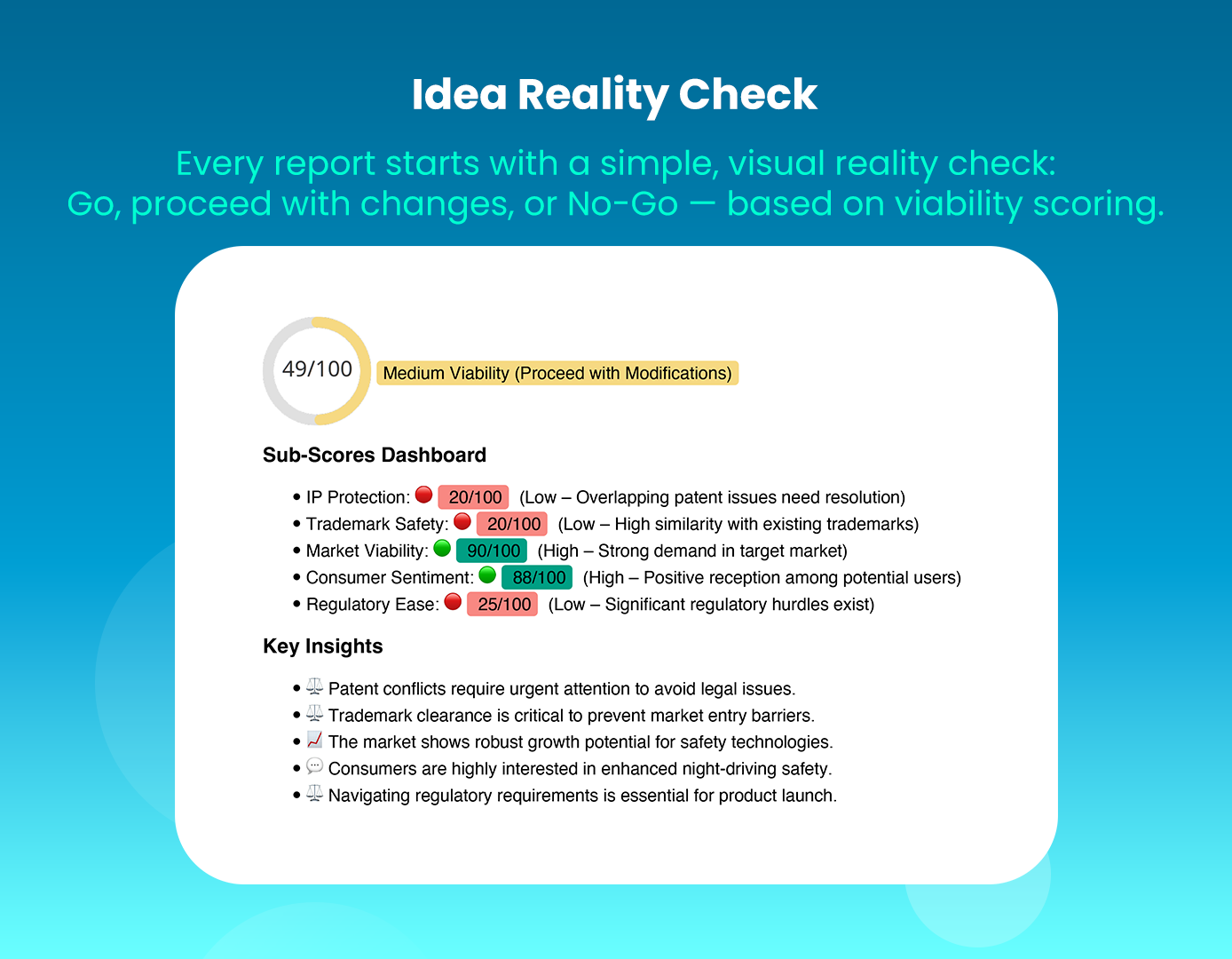
- Flagging IP and contract risk indicators
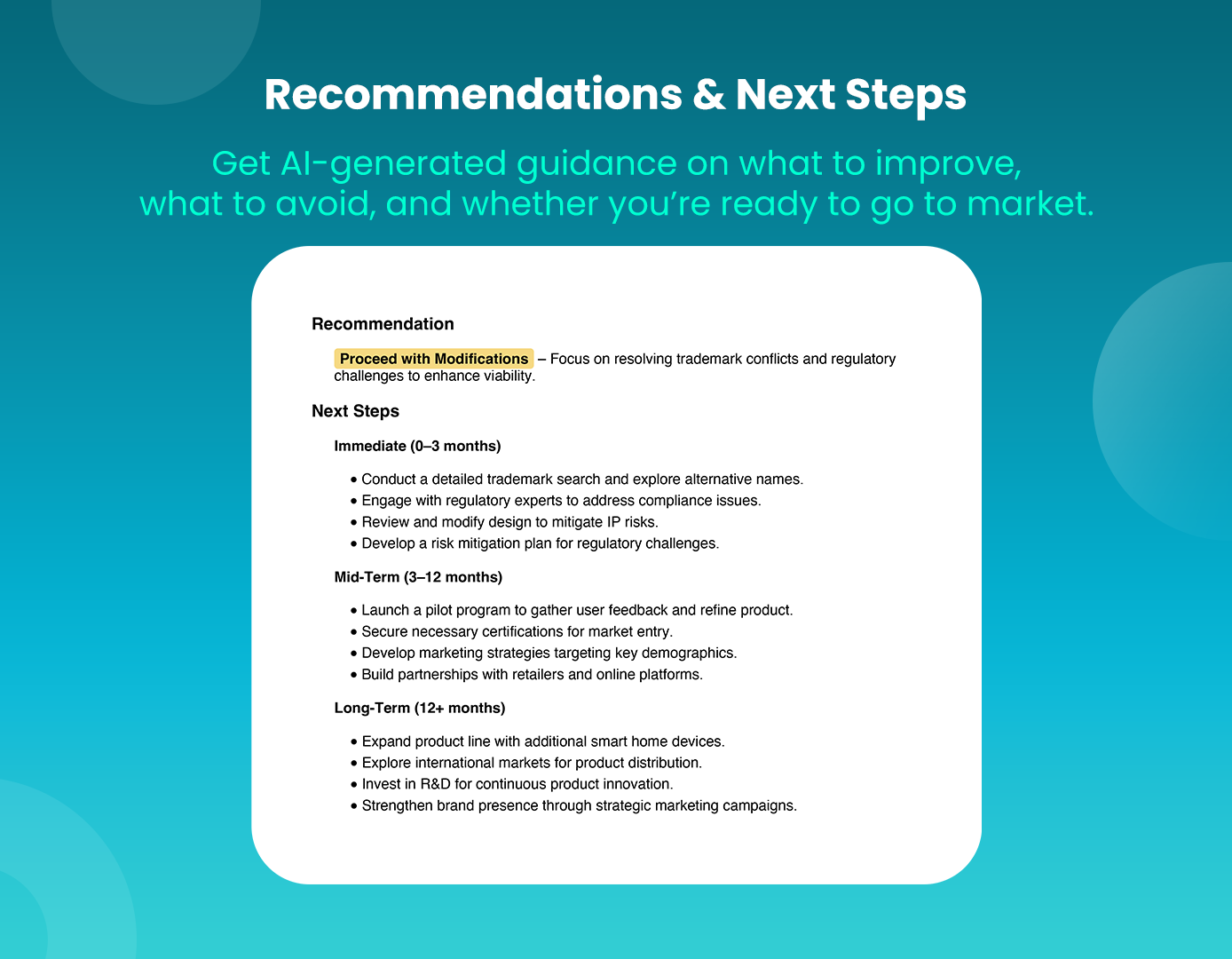
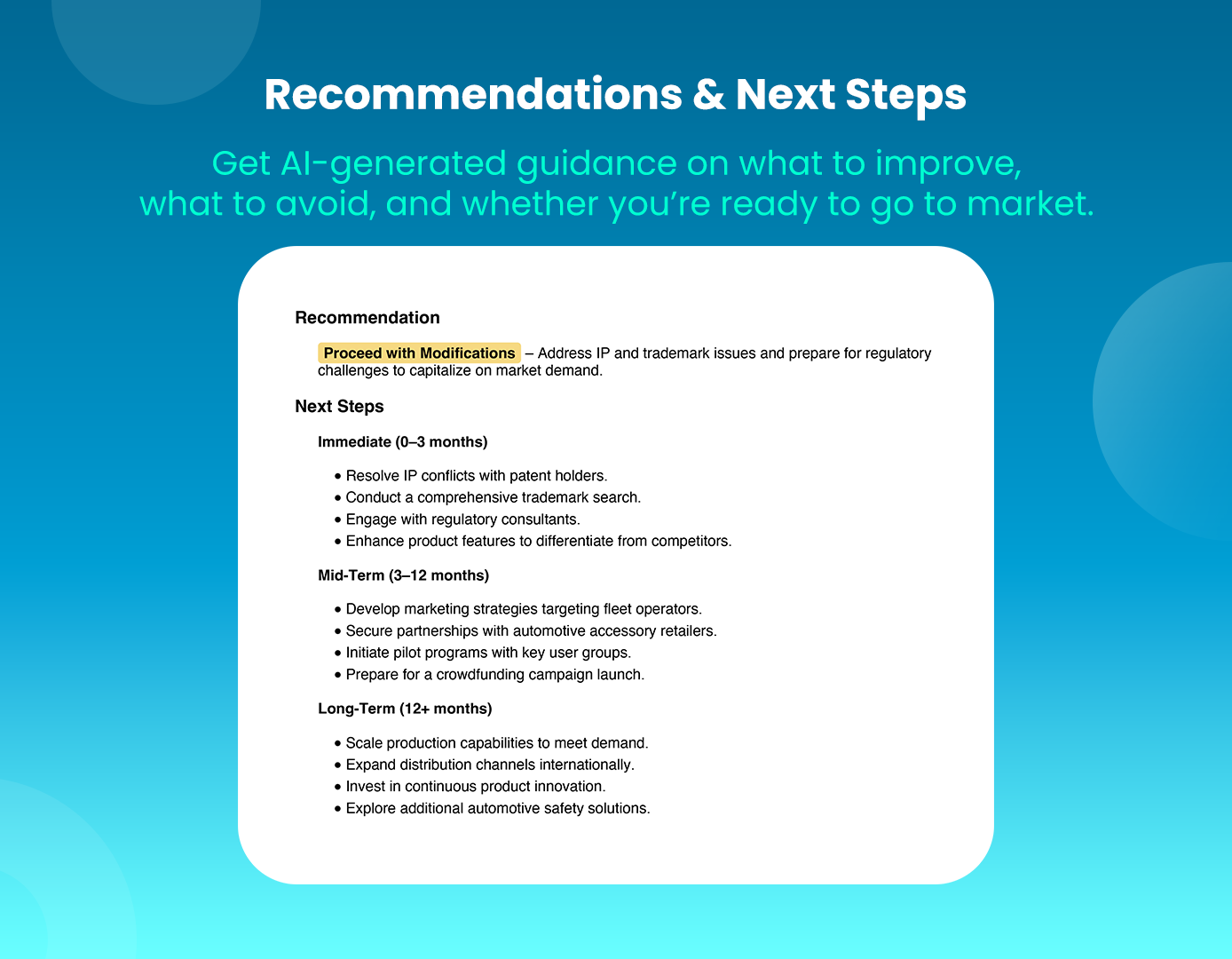
- Providing Go / Pause / Proceed recommendations
- Aligning strategy with long-term goals
Instead of guessing, creators choose with clarity.
FAQ — Licensing vs Manufacturing for Crowdfunding Creators
1. Do I have to choose immediately after funding?
No. Many creators take time to evaluate options before committing.
2. Can I license without a patent?
Yes, but patents strengthen leverage and protection significantly.
3. Is licensing safer than manufacturing?
Generally yes — but it also limits upside and control.
4. Can I switch paths later?
Sometimes. Contracts and exclusivity terms determine flexibility.
5. What do licensees usually look for?
Proven demand, strong IP, clear differentiation, and production readiness.
6. Is manufacturing always more profitable?
Not always. Higher margins come with higher risk and cost.
7. How does crowdfunding affect licensing deals?
Funding and traction improve negotiation power.
8. Should I get legal advice before signing?
Absolutely. Licensing agreements are legally complex.
9. How does InventaIQ help with this decision?
By modeling scenarios, risks, and long-term outcomes before commitment.
10. Which path is better for first-time creators?
Often licensing or hybrid models reduce early risk.
Conclusion — Choose Strategy, Not Pressure
Funding creates opportunity — but strategy creates sustainability.
Whether you license, manufacture, or combine both, the right choice aligns with your goals, resources, and risk tolerance.
With InventaIQ’s AI-powered decision frameworks, creators can move forward confidently — knowing their post-campaign path supports long-term success.