Kickstarter vs Indiegogo: Which Platform Is Right for Your Project?
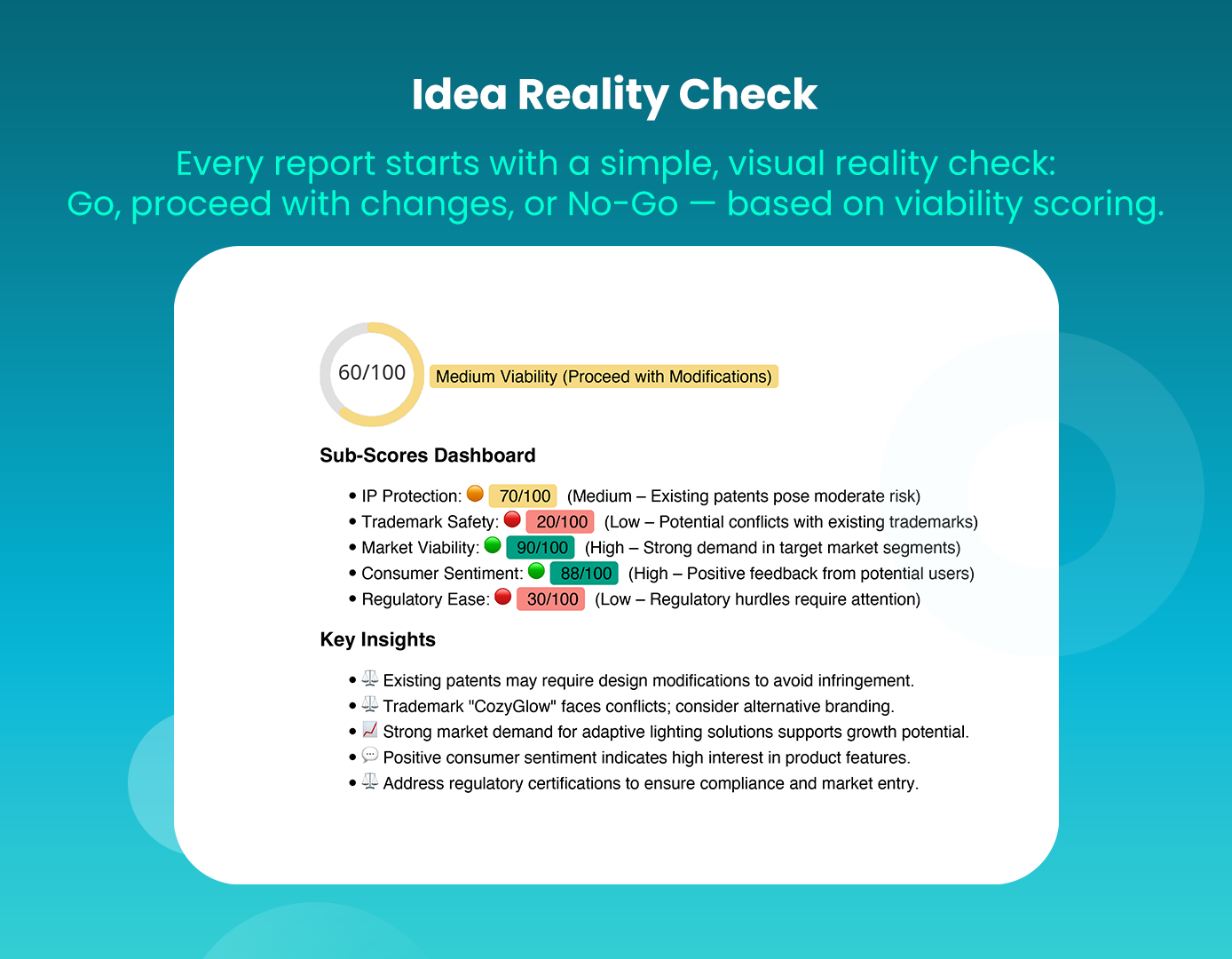
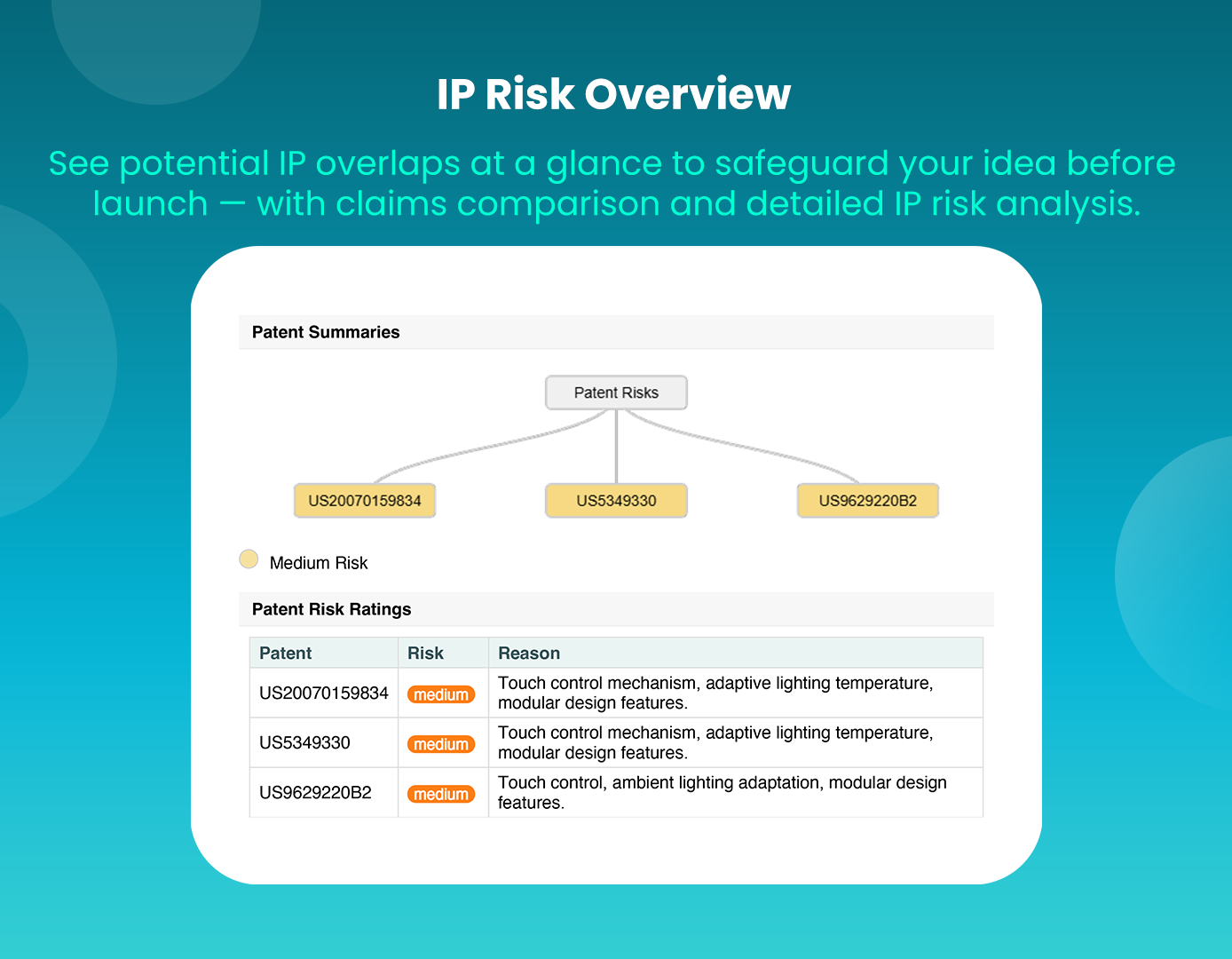
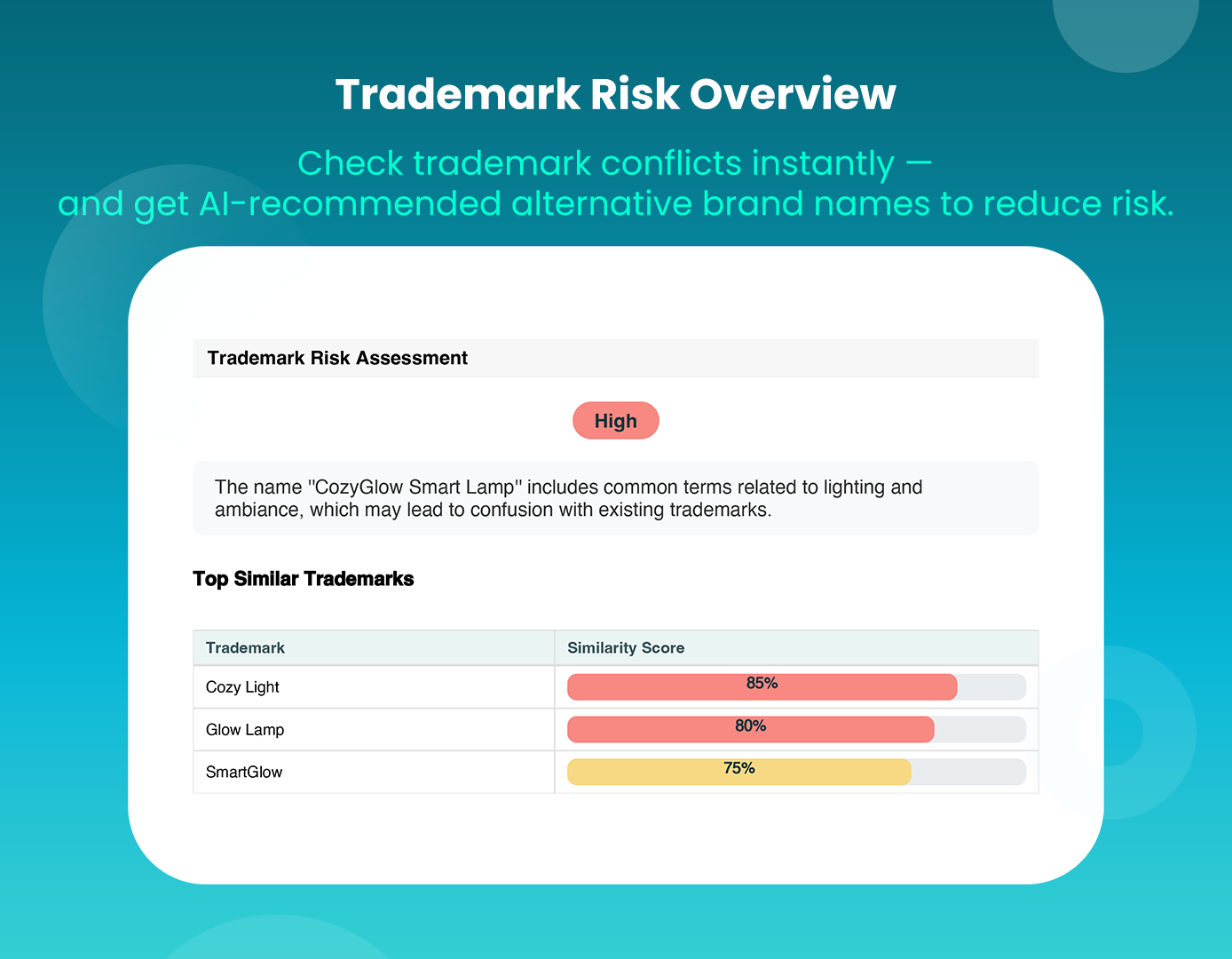
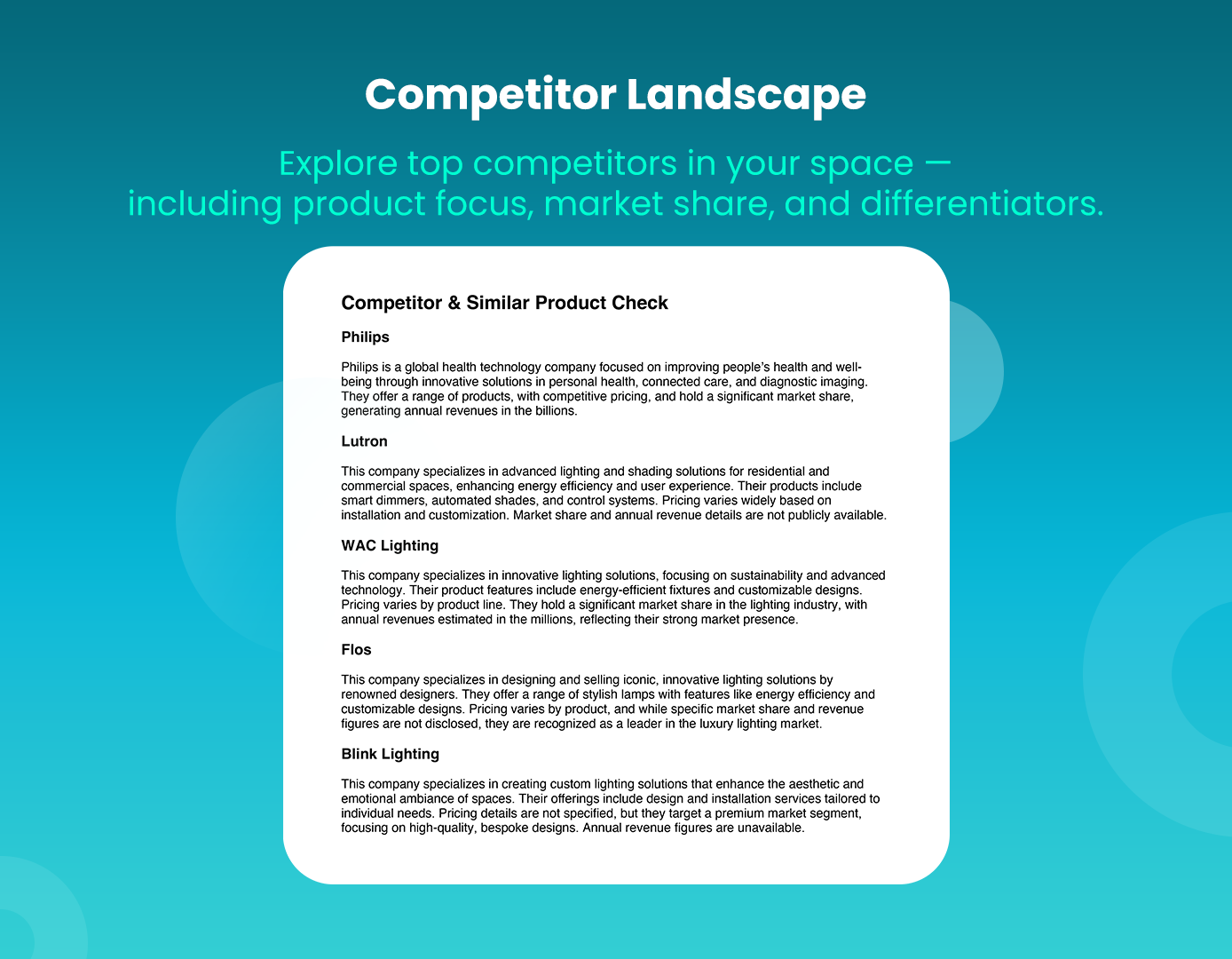
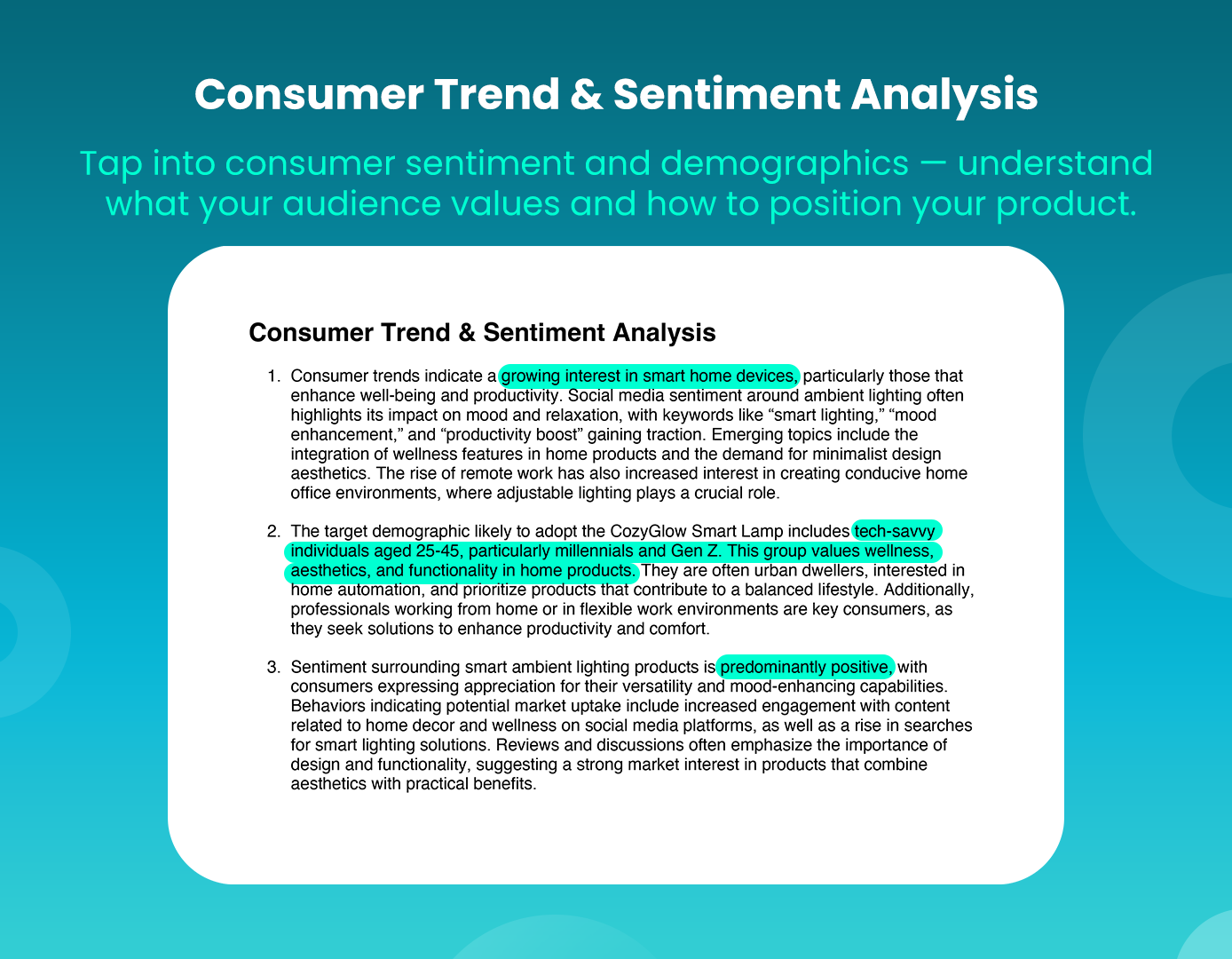
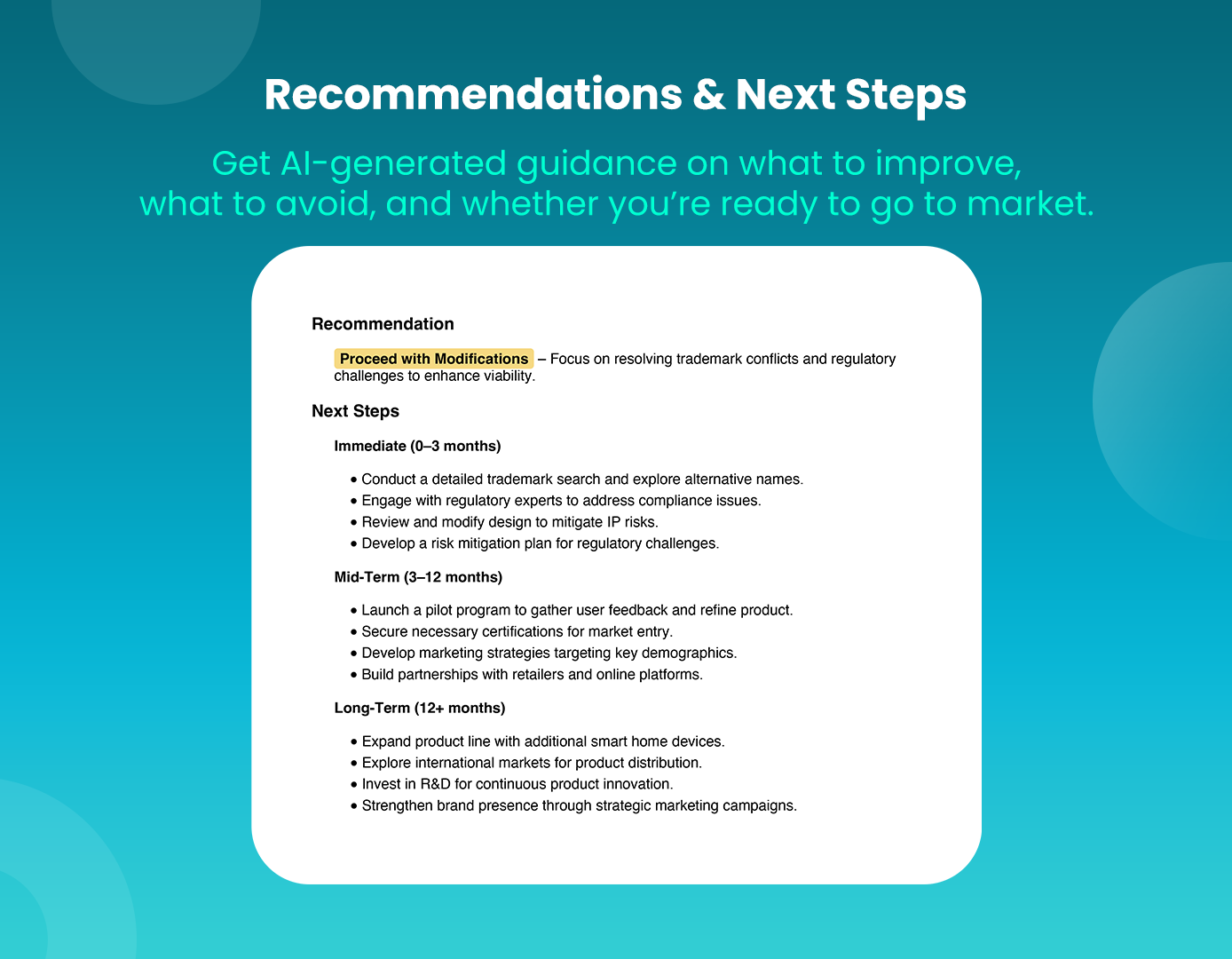
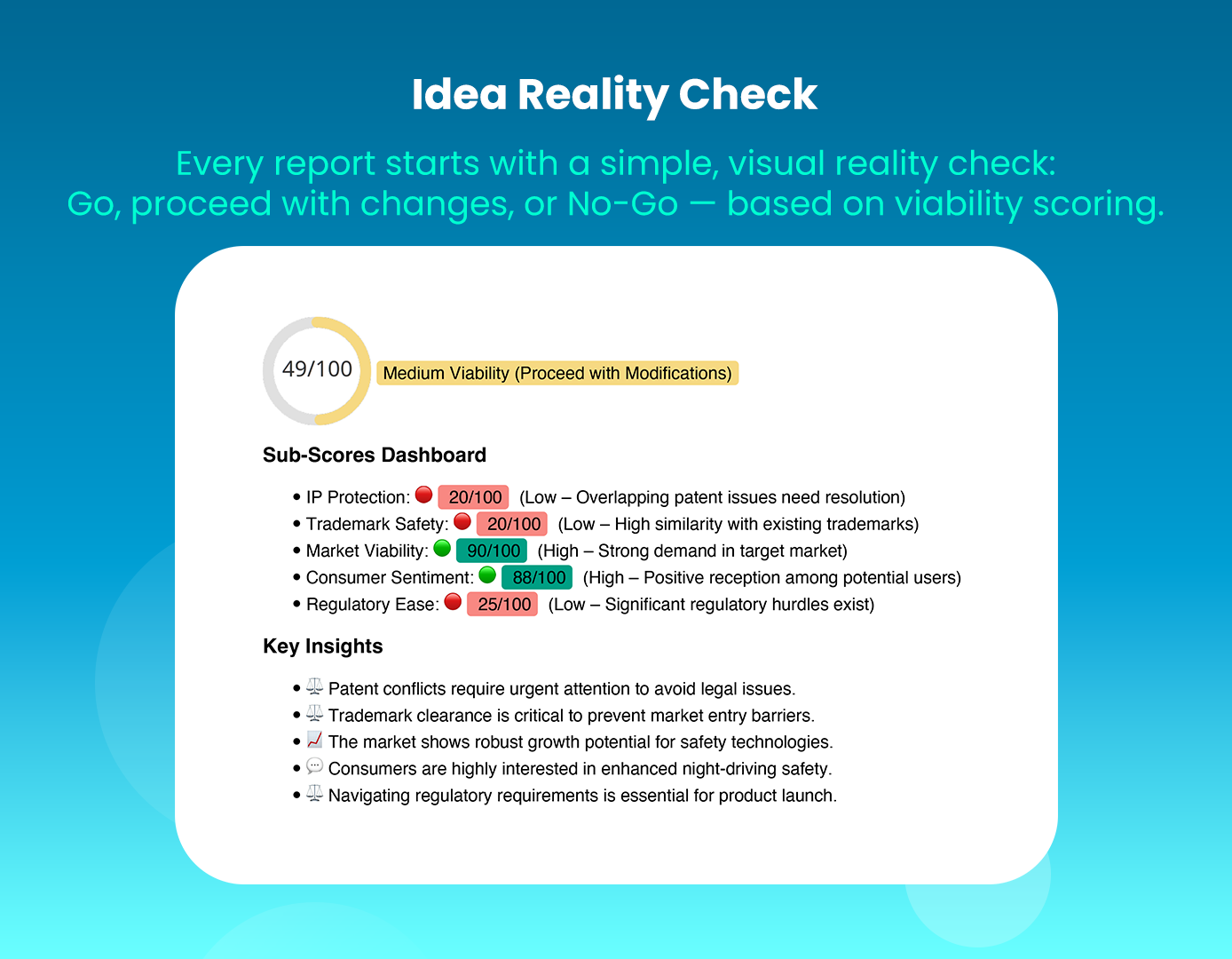
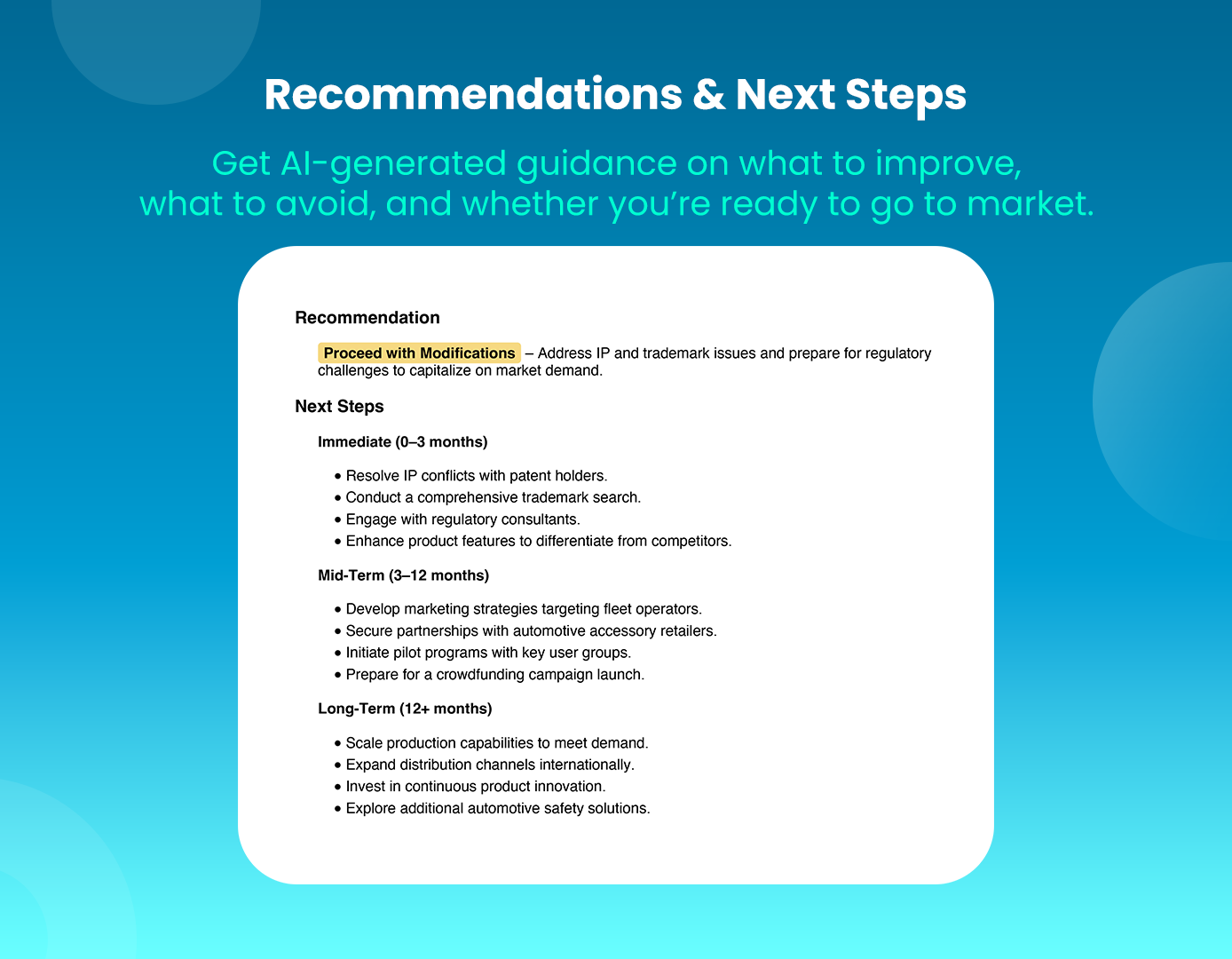
Kickstarter or Indiegogo — which one will help your idea take off? Every creator faces that choice. Kickstarter brings community and credibility; Indiegogo offers flexibility and global reach. The right preparation matters more than the platform itself. Before you decide, test your idea. InventaIQ, your AI Crowdfunding Coach, helps you validate originality, check for patent or trademark risks, and assess overall viability. Upload a sketch for a self-heating travel mug and, within minutes, InventaIQ reveals overlaps, market interest, and confidence scores — so you know whether your project is ready to shine on any platform. Which crowdfunding platform is better — Kickstarter or Indiegogo? Kickstarter is curated and credible, ideal for polished creative products. Indiegogo is flexible and global, better for prototypes or early-stage ideas. Your choice depends on your goals — and InventaIQ helps you launch with solid validation first. What’s the Core Difference Between Kickstarter and Indiegogo? Kickstarter’s “All-or-Nothing” model means you’re funded only if you hit your goal — great for building trust and urgency. Indiegogo’s Flexible Funding lets you keep what you raise — useful when you’re still refining your product. In InventaIQ’s Stage 1 Validation, creators analyze whether their idea is mature enough for crowdfunding at all. A hand-crafted watch earning a 76 / 100 Viability Score might already be campaign-ready; a modular drone at 55 / 100 may need refinement before launch — regardless of platform. Which Platform Has Higher Success Rates? Kickstarter’s curated ecosystem sees around 41 % average success, while Indiegogo’s open model welcomes more experimental ideas but with lower averages. InventaIQ helps creators understand what drives those numbers. In Stage 1, it flags factors like product readiness, IP clarity, and category competition — all of which influence success on any platform. A sustainable yoga mat scoring 72 / 100 shows strong validation fundamentals, increasing campaign confidence wherever it launches. How Do the Funding Models Differ? Is Kickstarter all-or-nothing while Indiegogo is flexible funding? Yes. Kickstarter protects both backers and creators by releasing funds only if goals are met. Indiegogo lets you keep partial funds but adds responsibility to deliver with limited capital. In Stage 1, InventaIQ helps calculate realistic funding goals. A fitness sensor prototype showing high manufacturing cost vs target margin signals a need to adjust pricing or volume — insight that strengthens any campaign plan, regardless of platform. Which Platform Fits My Project Type? Project Type Common Platform Preference Why It Matters Hardware / Tech Indiegogo Flexible funding + early-adopter audience Design / Art Kickstarter Curation + aesthetic community Cause / Social Impact Indiegogo Global reach + donation support Games / Comics Kickstarter Loyal fan base + collector culture Prototype Concept Indiegogo Allows testing + iteration These trends are informative, not prescriptive. InventaIQ’s Stage 1 data lets creators benchmark their idea against 75 000 campaigns to see how mature it is before choosing where to launch. A smart pet feeder tagged Tech / IoT Prototype / Moderate Risk simply shows that more preparation is needed — not which platform to use. Can I Use Both Platforms Together? Yes — many successful campaigns do. A project might debut on Kickstarter for exposure, then continue sales through Indiegogo InDemand after funding. Stage 1 validation in InventaIQ helps you prepare for this multi-platform journey by ensuring your product and messaging are solid before launch. Example: a portable espresso machine earned a 78 / 100 readiness score and used those insights to streamline production, enabling an easier transition between platforms. Why Preparation Matters More Than Platform Platform choice matters — but readiness wins campaigns. Most crowdfunding failures trace back to unvalidated ideas, missing IP protection, or unrealistic funding goals. InventaIQ’s Stage 1 Validation tools help you: Armed with that data, creators can enter Kickstarter or Indiegogo knowing their foundation is solid. Common Mistakes Creators Make Top 5 pitfalls first-timers face: When a creator tested a solar bike light, InventaIQ flagged “High IP conflict with Patent US9876543.” That instant alert saved months of rework — the kind of insight that builds a strong campaign from the start. Crowdfunding Platform Choice Checklist Before you pick a platform, ask yourself: If any box is unchecked, run a free InventaIQ Validation Scan first — it helps you refine your idea so you can succeed on any platform. FAQ Q: Which platform has higher crowdfunding success?Kickstarter averages ~41 % success due to curation; Indiegogo offers more flexibility for tech and early-stage projects. InventaIQ helps you understand your readiness before choosing. Q: What’s the difference in funding models?Kickstarter = All-or-Nothing. Indiegogo = Flexible Funding. InventaIQ shows how different goal levels affect feasibility. Q: Can I use both platforms?Yes — many creators start on Kickstarter and continue on Indiegogo InDemand to keep selling. Q: How does InventaIQ help in pre-launch prep?It validates IP safety, market demand, and competition so you enter any platform with data-backed confidence. Q: What factors affect crowdfunding success most?Solid validation, clear storytelling, and realistic goals — all addressed in InventaIQ’s Stage 1 report. Conclusion Before you choose Kickstarter or Indiegogo, use InventaIQ — your AI Crowdfunding Coach — to validate your idea, check IP risk, and measure readiness for launch. Try it free for 7 days.