Public disclosure happens fast in crowdfunding: preview pages, social posts, demos, press mentions, and launch videos all make your idea visible to the world. What many creators don’t realize is that this visibility can permanently affect patent rights if timing isn’t handled correctly.
This guide explains how public disclosure impacts patent eligibility, when to file before launch, and how to avoid accidental loss of ownership. You’ll learn how to balance speed, validation, and protection — with support from InventaIQ’s AI-powered IP risk insights.
Introduction
Crowdfunding rewards transparency — but patent law does not.
Many creators unknowingly lose patent rights by sharing prototypes, videos, or previews before understanding disclosure rules. Once an idea becomes public, the clock starts ticking — and in some regions, rights can be lost instantly.
A clear patent-timing strategy helps you:
- Protect your invention before going public
- Avoid irreversible IP mistakes during pre-launch marketing
- Decide whether a provisional filing is enough
- Align validation speed with long-term ownership
With InventaIQ, creators can assess disclosure risk early, understand filing urgency, and plan launches with legal awareness — not guesswork. This guide helps you navigate patent timing confidently, before exposure becomes a liability.
Why Public Disclosure Matters in Crowdfunding
Crowdfunding is, by design, a public disclosure event.
The moment your idea is visible online, it may be considered “publicly disclosed” under patent law — even if you haven’t launched yet.
Public disclosure can:
- Start or eliminate patent filing windows
- Allow competitors to copy or file first
- Limit protection to certain countries only
- Reduce investor confidence later
InventaIQ’s analysis of creator disputes shows that patent timing issues are one of the most common post-campaign legal regrets, especially among first-time founders.
Understanding disclosure rules early helps creators move fast without giving away long-term rights.
What Counts as Public Disclosure?
Many creators assume only a live campaign page counts — but disclosure happens much earlier.
Common disclosure triggers include:
- Kickstarter or Indiegogo preview pages
- Demo or prototype videos
- Social media posts explaining how it works
- Press interviews or blog features
- Trade shows or public demos
- Landing pages collecting early sign-ups
If the invention’s core function or novelty is visible or described, it may qualify as disclosure.
InventaIQ helps creators flag high-risk exposure points before launch — especially during pre-launch marketing and early outreach.
Patent Timing Basics — What Creators Need to Know
Patent rules vary by region, but timing always matters.
Key principles:
- File before disclosure whenever possible
- Some regions allow grace periods, others do not
- Provisional patents can secure early priority
- Waiting too long can permanently block protection
General regional guidance:
- United States: Limited grace period after disclosure
- Europe / UK / most of Asia: No grace period — disclosure before filing usually destroys patentability
Because crowdfunding is global, creators should plan for the strictest standard, not the most forgiving one.
InventaIQ highlights timing risk based on your launch geography and exposure plans — helping you decide when filing becomes critical.
Provisional Patents — When They Make Sense
For many creators, provisional patents offer a practical middle ground.
Provisional filings:
- Secure an early filing date
- Are faster and lower-cost than full patents
- Allow “Patent Pending” status
- Buy time (typically 12 months) to validate demand
However, provisional filings must still be:
- Specific enough to cover the real invention
- Filed before meaningful disclosure
- Followed by a full application later
InventaIQ helps creators evaluate whether provisional protection is appropriate — based on idea maturity, disclosure plans, and commercialization goals.
Common Patent Timing Mistakes to Avoid
Most patent losses are preventable. The most common mistakes include:
- Posting detailed demos before any filing
- Assuming crowdfunding “doesn’t count” as disclosure
- Relying on vague or incomplete provisional filings
- Waiting until after funding to think about IP
- Believing NDAs protect public content
Once disclosed, you cannot undo exposure.
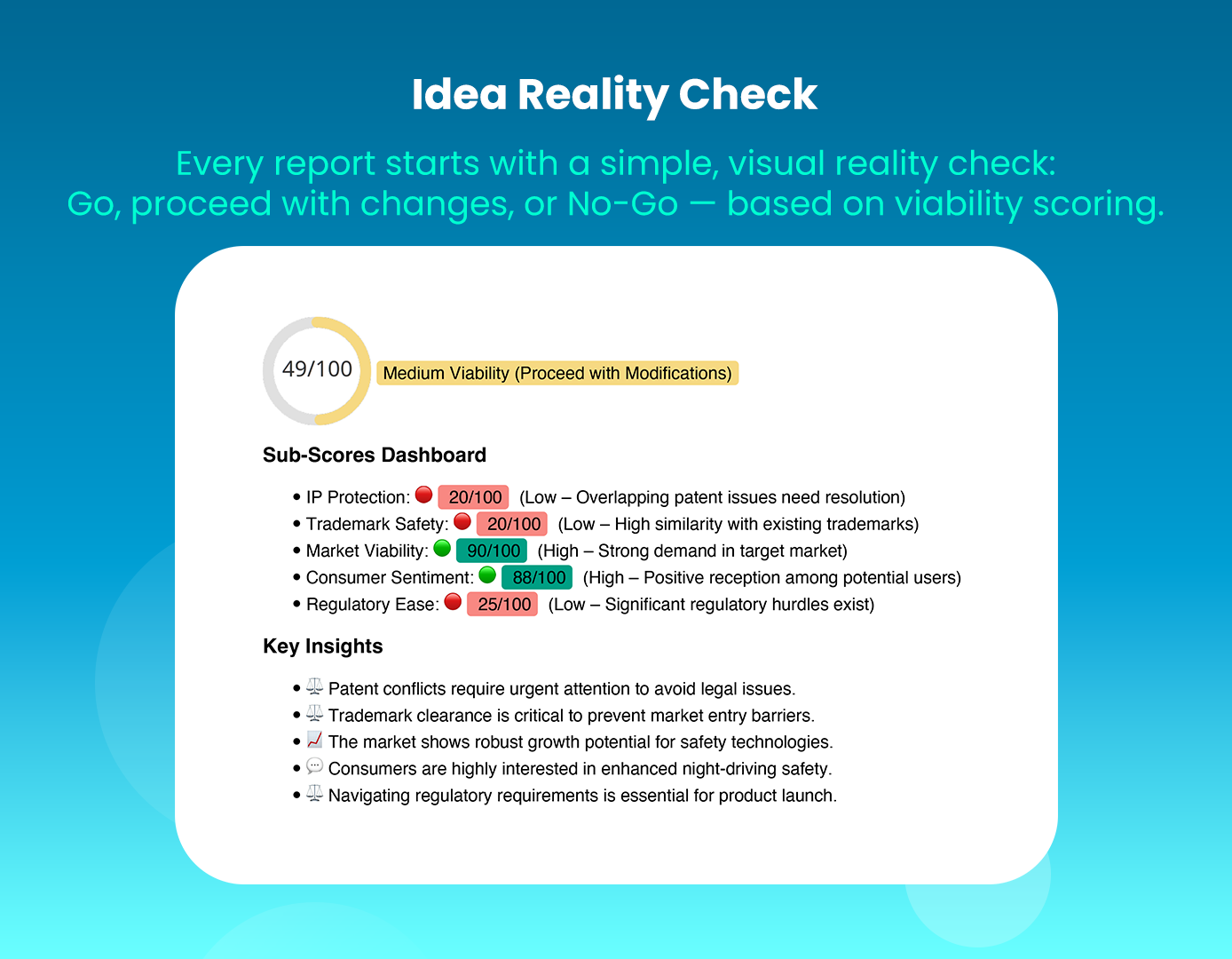
InventaIQ’s IP readiness checks help surface these risks before launch — when fixes are still possible.
How InventaIQ Helps You Avoid Disclosure Risks
InventaIQ supports patent-timing decisions by:
- Identifying public exposure risk points
- Flagging disclosure-before-filing scenarios
- Helping creators choose Go / Pause / Proceed paths
- Aligning IP timing with launch and marketing plans
- Providing structured pre-launch IP checklists
Instead of reacting after rights are lost, creators can plan disclosures strategically — with clarity and confidence.
FAQ — Public Disclosure & Patent Timing for Creators
1. What is public disclosure in patent law?
Public disclosure is any act that makes your invention accessible to the public, such as online posts, videos, demos, or campaign pages.
2. Does launching on Kickstarter count as disclosure?
Yes. A crowdfunding launch is considered public disclosure in most jurisdictions.
3. Can I still file a patent after disclosure?
In some countries, limited grace periods exist. In many others, disclosure permanently blocks patent protection.
4. What is a provisional patent?
A provisional patent secures an early filing date and allows “Patent Pending” status while giving you time to validate demand.
5. Should I file before pre-launch marketing?
If marketing explains how your invention works, filing before exposure is strongly recommended.
6. Are NDAs useful for crowdfunding?
NDAs help in private discussions, but they do not protect publicly shared content.
7. Does showing a prototype count as disclosure?
Yes — if it reveals the invention’s functional novelty.
8. How early should I think about patent timing?
Before any public previews, demos, or campaign drafts are shared.
9. Can InventaIQ replace a patent attorney?
No. InventaIQ provides risk awareness and decision support — not legal advice.
10. How does InventaIQ help with patent timing?
InventaIQ flags disclosure risks, evaluates readiness, and helps creators plan filings before exposure.
Conclusion — Protect First, Then Go Public
Crowdfunding moves fast — patent law does not forgive mistakes.
By understanding public disclosure rules and planning patent timing early, creators protect not just their campaign — but their future business.
With InventaIQ’s AI-powered IP risk insights, you can validate ideas, plan disclosures, and launch confidently — knowing your rights are protected before the world sees your work.