By analyzing thousands of live and completed campaigns across platforms like Kickstarter and Indiegogo, InventaIQ uncovers what actually works — and what quietly kills momentum.
Learn how to structure tiers that feel fair, irresistible, and scalable, backed by real campaign data rather than guesswork.
Introduction
Most crowdfunding campaigns don’t fail because of bad ideas — they fail because of poor pricing decisions.
Reward tiers that are confusing, mispriced, or misaligned with perceived value create friction, hesitation, and abandoned pledges.
Pricing & Tier Ladders That Worked focuses on how successful campaigns structured their rewards to guide backers naturally toward higher-value pledges. Using InventaIQ’s benchmark data, creators can see which price points convert best, how many tiers are optimal, and where upsell opportunities actually exist.
In this guide, you’ll learn how to design tier ladders that feel intuitive to backers while protecting margins and fulfillment feasibility.
Why Pricing Strategy Matters in Crowdfunding
Backers don’t evaluate price the way retail customers do.
They compare value, trust, and perceived impact — all within seconds.
A strong pricing and tier strategy helps you:
- Increase average pledge value without pushing premium pressure
- Reduce decision fatigue by simplifying choices
- Anchor value using smart entry and mid-tier pricing
- Prevent margin erosion from underpriced rewards
- Signal professionalism and credibility through structure
InventaIQ’s analysis shows that campaigns with clear, well-spaced tier ladders convert up to 30% better than campaigns with cluttered or inconsistent pricing.
Proven Pricing & Tier Patterns from Successful Campaigns
Pattern 1 — The Entry Anchor ($25–$39)
High-performing campaigns almost always include a low-friction entry tier.
This tier is designed to:
- Capture first-time backers
- Build momentum and social proof
- Lower psychological risk
Best practices:
- Digital perks, early access, or symbolic rewards
- Limited quantities to create urgency
- Clear value explanation (not “support us”)
Pattern 2 — The Core Conversion Tier ($59–$99)
This is where most revenue comes from.
The core tier typically includes:
- The main product or experience
- Clear comparison against MSRP
- Strong visual representation
InventaIQ data shows that 60–70% of total funding often comes from a single well-designed core tier.
Pattern 3 — The Value Stack ($129–$199)
Successful campaigns bundle:
- Product + upgrades
- Multi-unit offers
- Exclusive add-ons
These tiers work best when framed as “best value”, not premium luxury.
Backers should feel smart choosing it — not pressured.
Pattern 4 — Premium & Collector Tiers ($249+)
High-ticket tiers don’t need volume — they need clarity.
Top campaigns include:
- Limited quantities
- Founder interaction or exclusivity
- Clear delivery expectations
These tiers boost total funding without affecting conversion rates when positioned correctly.
Common Pricing Mistakes to Avoid
Even strong campaigns underperform due to predictable pricing errors:
- Too many tiers causing analysis paralysis
- Small price gaps that blur differentiation
- Underpricing to “look affordable”
- Ignoring fulfillment and COGS at higher tiers
- Launching without a clear anchor tier
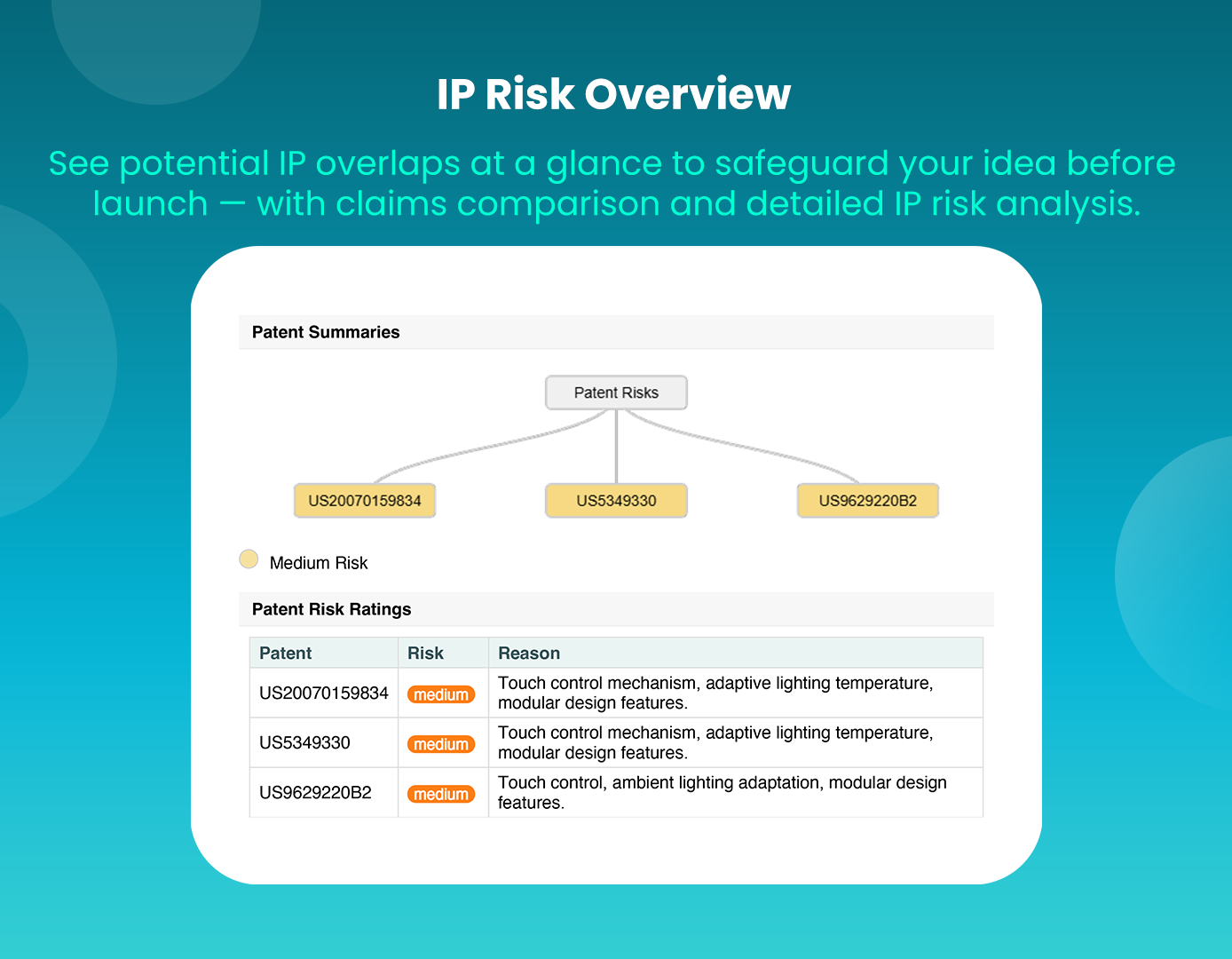
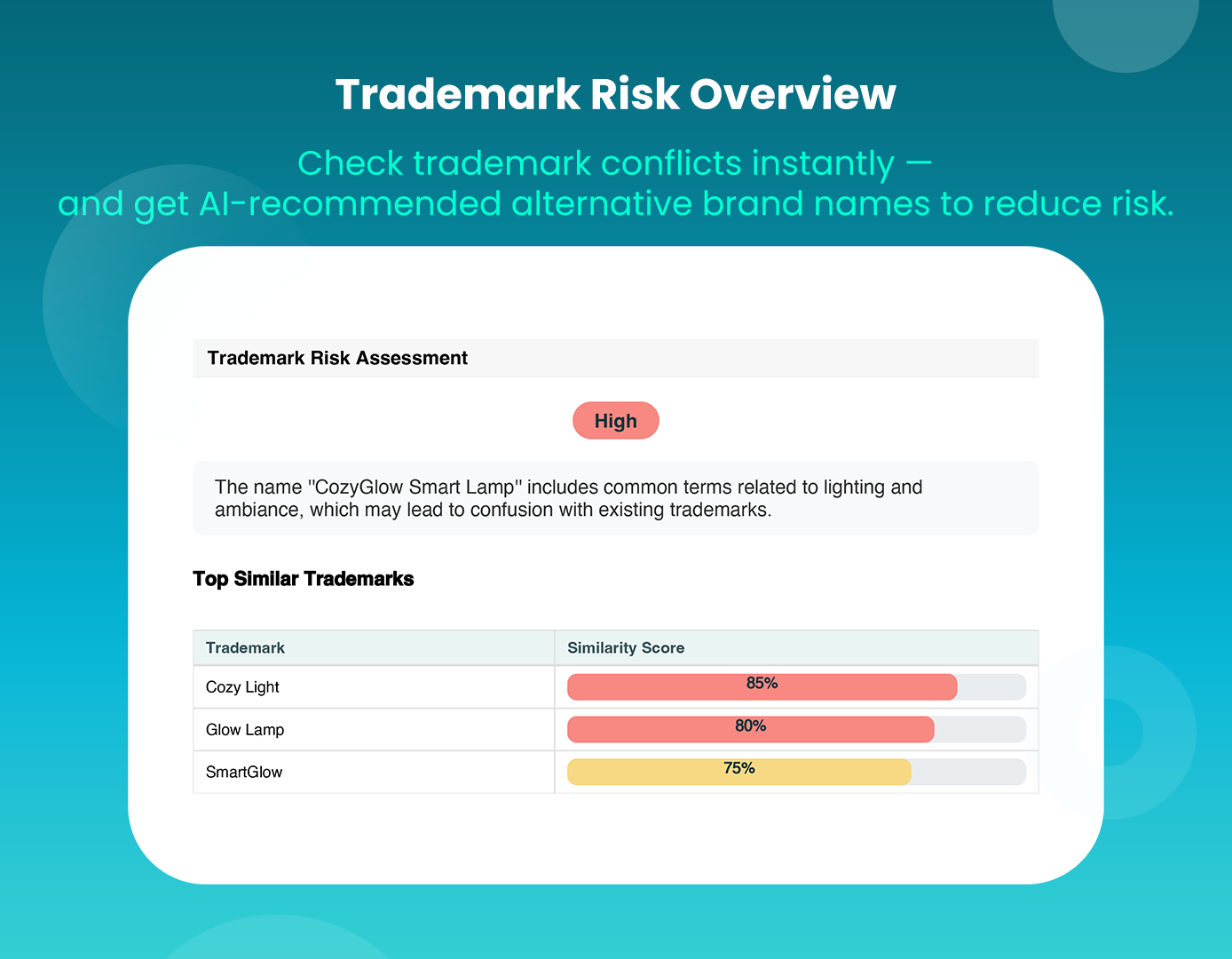
InventaIQ flags these risks automatically during campaign planning.
How InventaIQ Helps Optimize Pricing & Tier Strategy
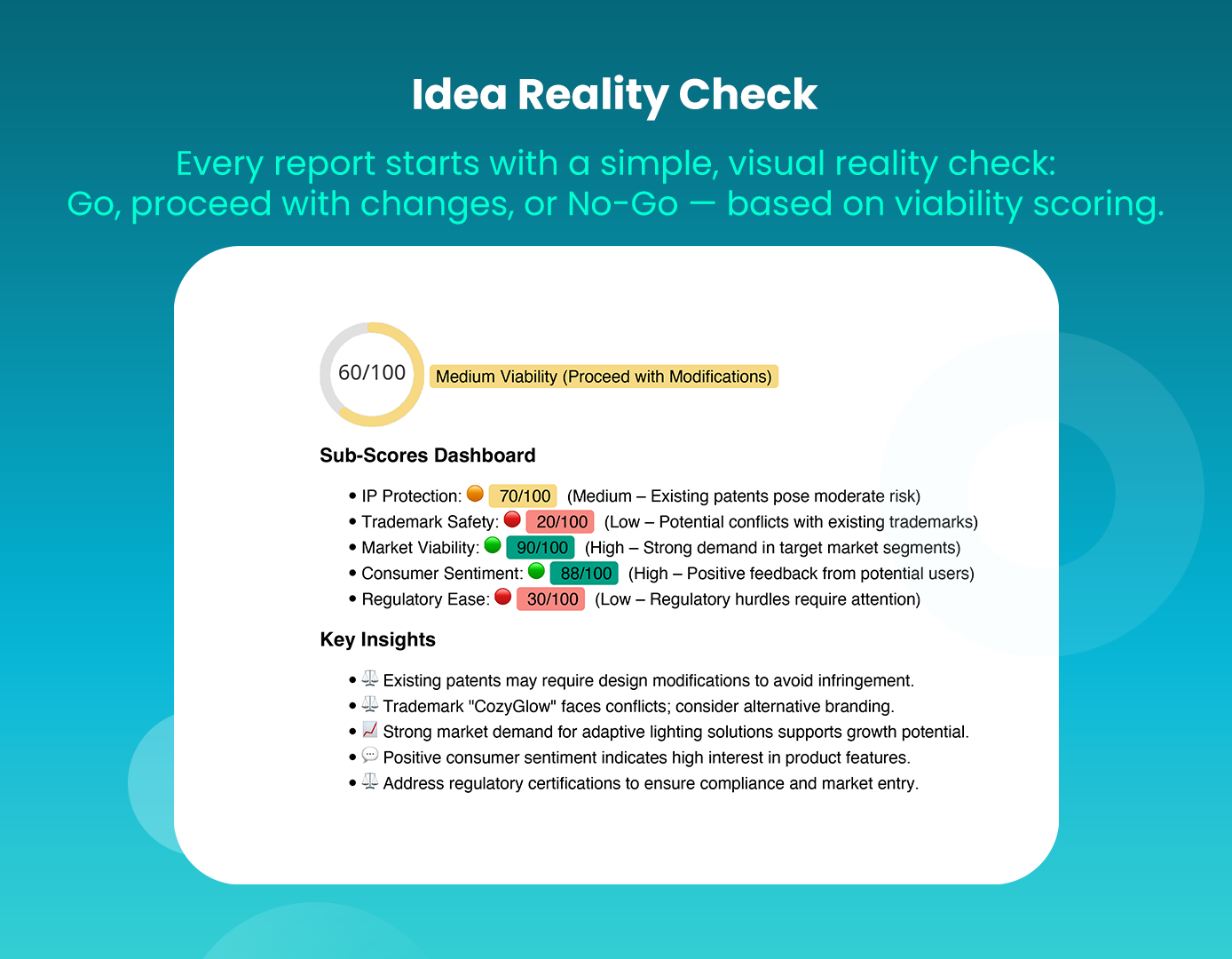
InventaIQ turns pricing into a data-backed decision, not a guess.
Key capabilities include:
- Tier Ladder Modeling: Simulate funding outcomes at different price structures
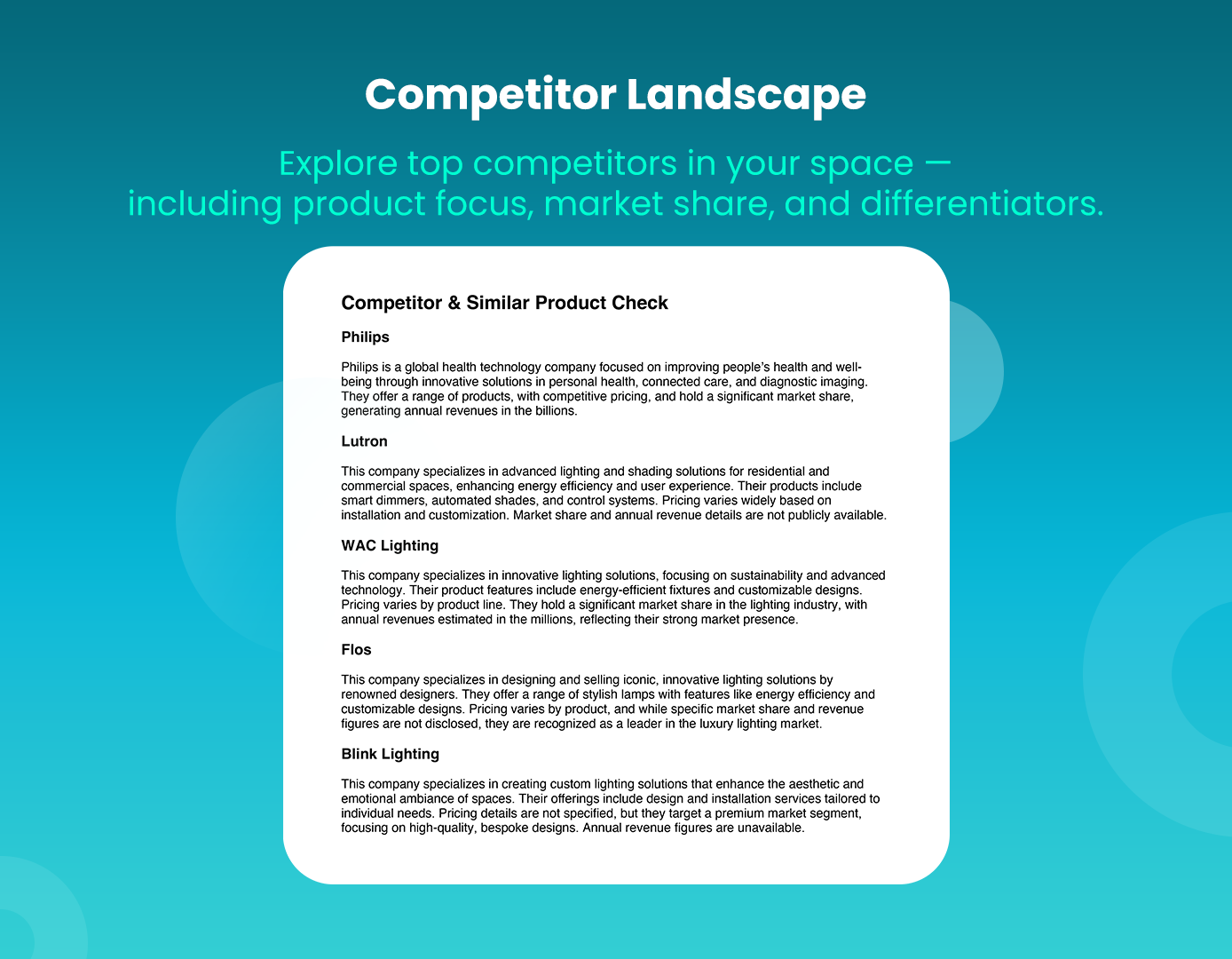
- Benchmark Comparison: See how your pricing compares to category averages
- COGS & Margin Checks: Identify tiers that quietly lose money
- Conversion Forecasting: Predict how pricing impacts funding probability
Creators can test scenarios before launch — and adjust tiers mid-campaign with confidence.
FAQ — Pricing & Reward Tiers in Crowdfunding
1. How many reward tiers should a campaign have?
Most successful campaigns perform best with 5–8 tiers. Fewer tiers reduce confusion, while still offering meaningful choice.
2. What is the best price point for a main reward?
Across categories, the strongest conversion range is typically $59–$99, depending on product complexity and perceived value.
3. Do early-bird tiers actually help?
Yes — when limited and clearly framed. Early birds boost early momentum but should never undercut long-term pricing sustainability.
4. Should I include add-ons or bundles?
Yes, but only if fulfillment complexity is controlled. Bundles increase AOV when clearly explained.
5. Can pricing be changed after launch?
Yes. Many campaigns refine tiers mid-campaign. InventaIQ highlights when pricing adjustments may improve performance.
Conclusion — Price with Confidence, Not Assumptions
Pricing is one of the strongest signals you send to backers.
When structured correctly, reward tiers guide decisions, increase trust, and unlock higher funding without added pressure.
With InventaIQ’s pricing benchmarks and tier modeling tools, creators can design reward ladders that convert — grounded in real data, not instinct.