This guide shows how creators can transition from a one-time campaign into a sustainable e-commerce business by retaining backers, reusing campaign assets, and building repeat revenue channels.
Learn how to move beyond delivery and transform early supporters into loyal customers using proven post-campaign strategies and InventaIQ’s AI-powered growth insights.
Introduction
A successful crowdfunding campaign proves one thing: people want what you’re building.
The next challenge is turning that validation into an ongoing business.
Moving from campaign to e-commerce means more than opening a store. It involves preserving trust, maintaining momentum, and continuing the relationship you started with your backers. Creators who plan this transition early often outperform those who treat crowdfunding as a one-off event.
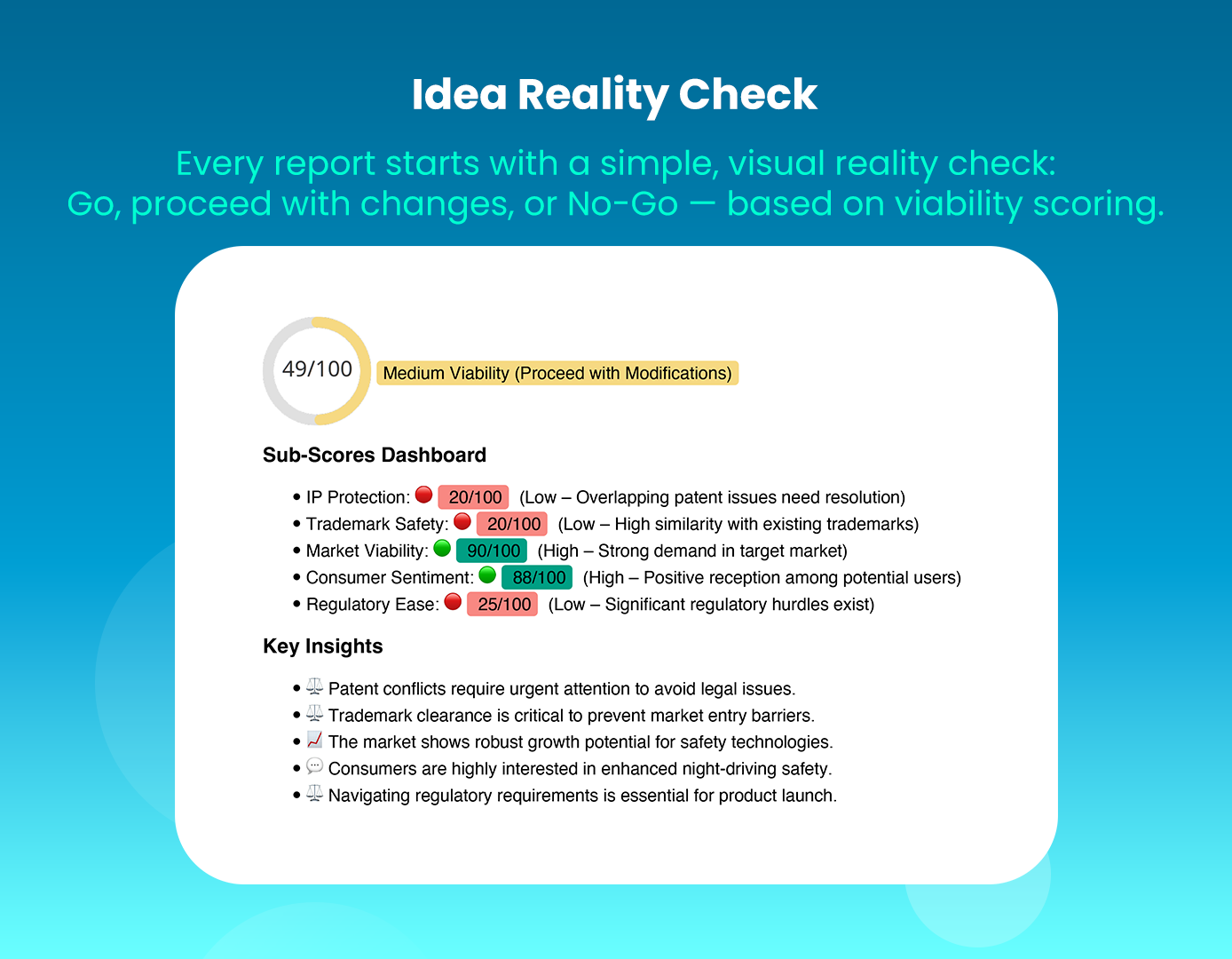
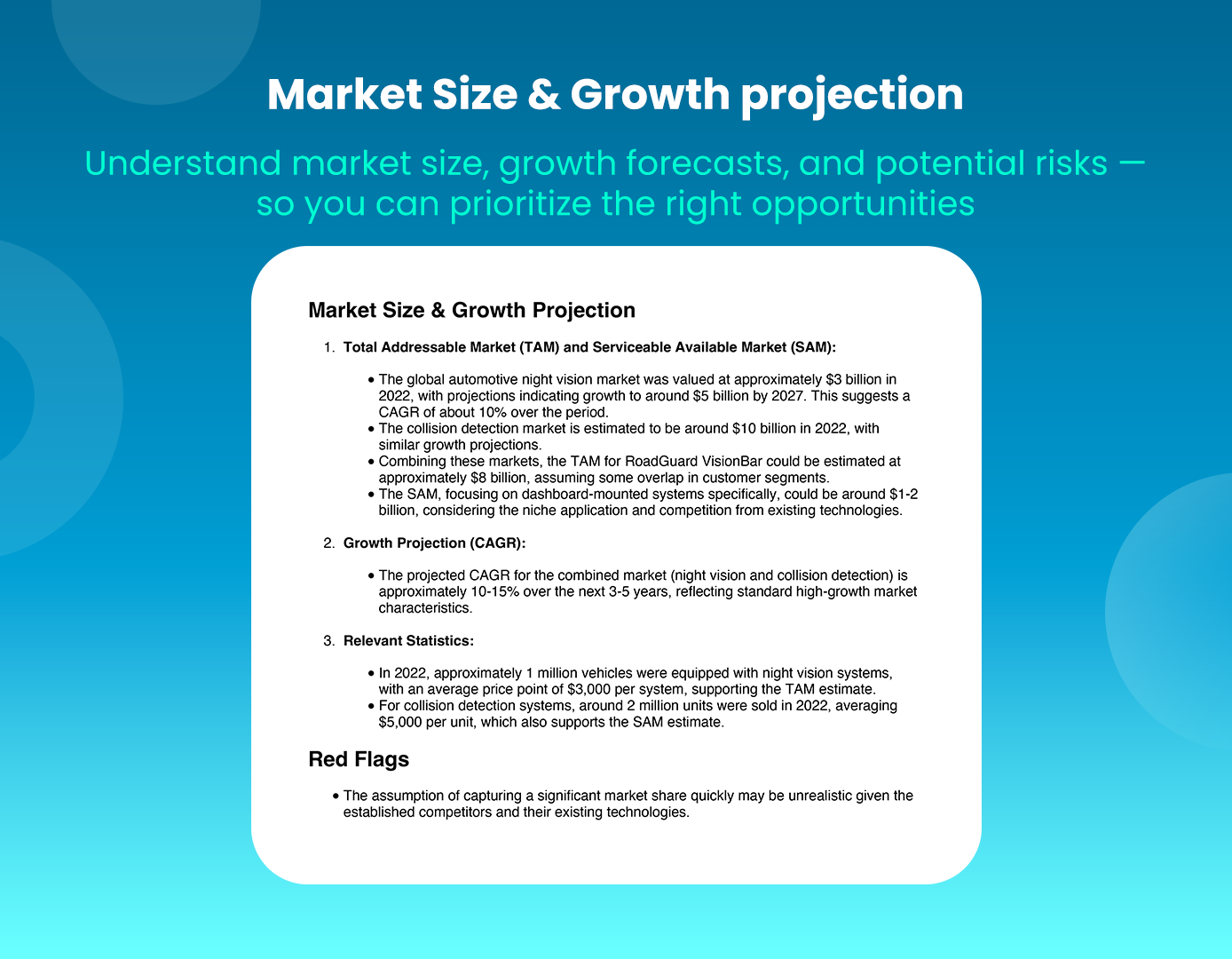
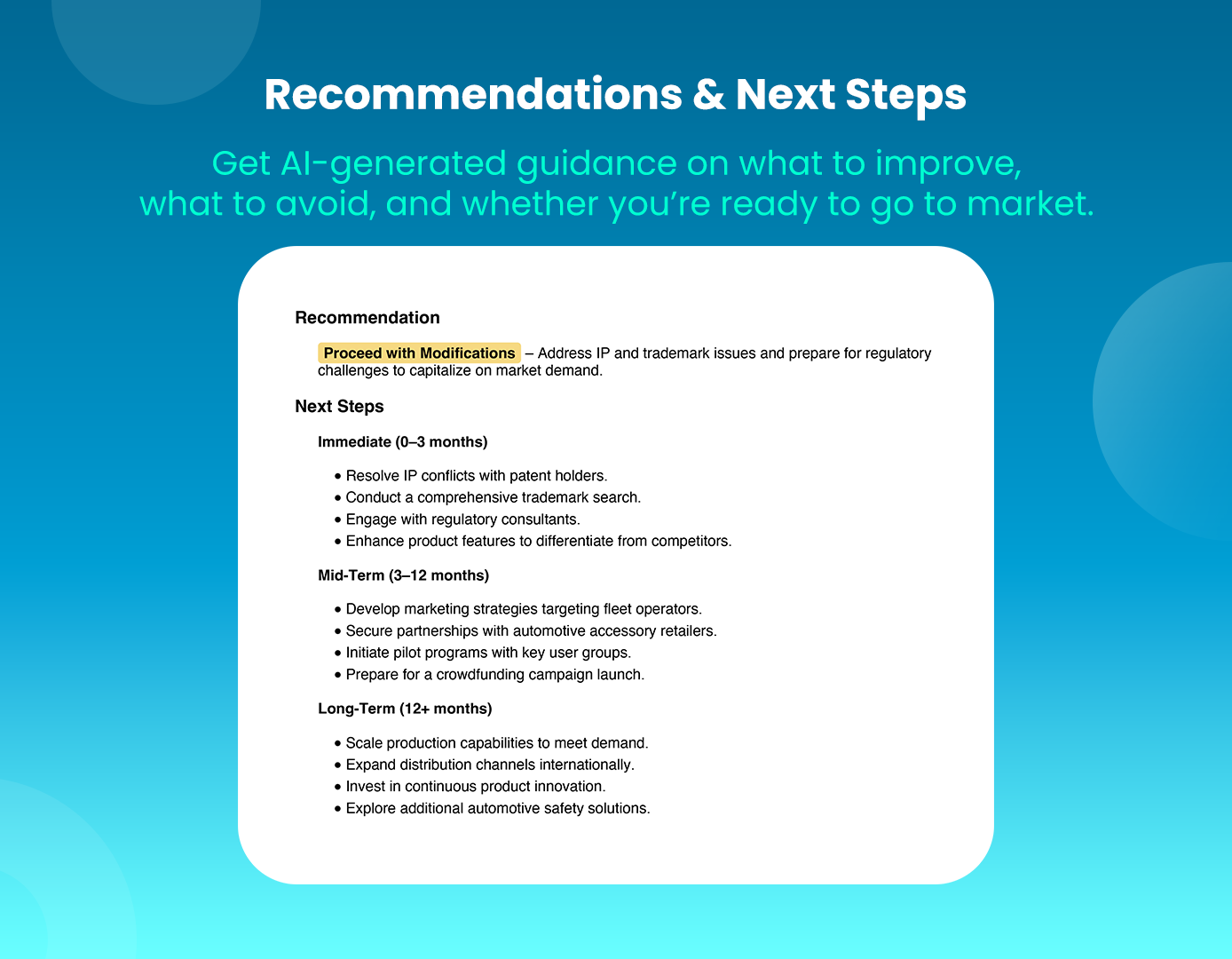
With InventaIQ, creators can analyze campaign data, identify high-intent backers, and plan post-campaign sales strategies — helping you convert early supporters into repeat customers without starting from scratch.
Why the Campaign-to-E-Commerce Transition Matters
Crowdfunding gives you more than capital — it gives you:
- A validated product
- A highly engaged early audience
- Real-world pricing and demand signals
Creators who fail to leverage this momentum often lose visibility once fulfillment ends. Those who plan ahead can:
- Extend revenue beyond the campaign
- Reduce dependency on future launches
- Build a long-term brand, not just a funded project
InventaIQ’s analysis shows that creators who launch an e-commerce channel within 60–90 days of fulfillment see significantly higher lifetime value from early backers.
The Campaign-to-E-Commerce Framework
1. Prepare Before Fulfillment Ends
Your transition starts before the last reward ships.
Key actions include:
- Segmenting backers by pledge level and engagement
- Identifying repeat-purchase candidates
- Collecting opt-in permissions for future communication
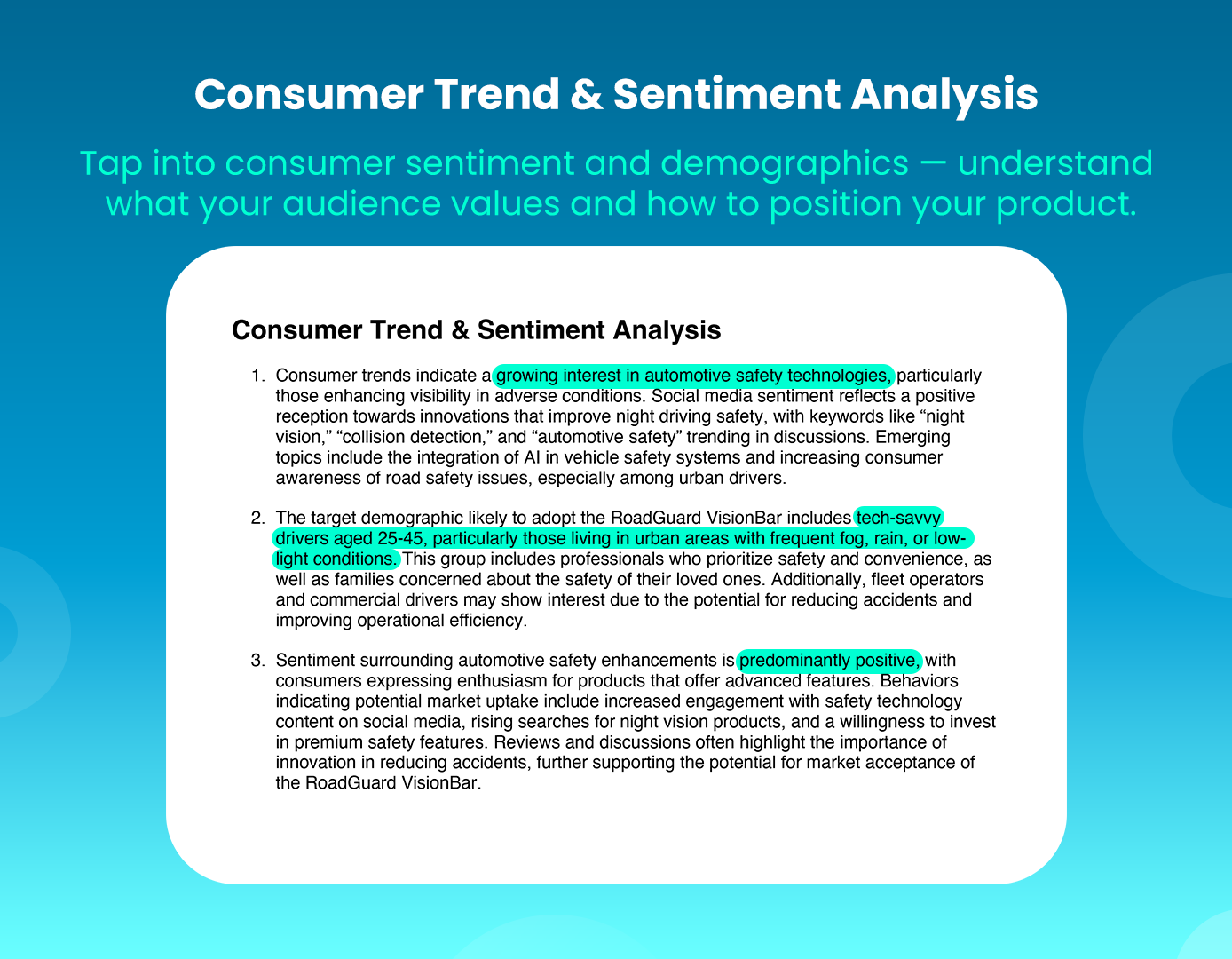
InventaIQ helps you map backer segments and readiness scores so you know who to engage first.
2. Choose the Right Sales Channel
Most creators transition into one or more of the following:
- Direct-to-consumer stores (Shopify, WooCommerce)
- Marketplaces (Amazon, Etsy)
- Pre-order or waitlist landing pages
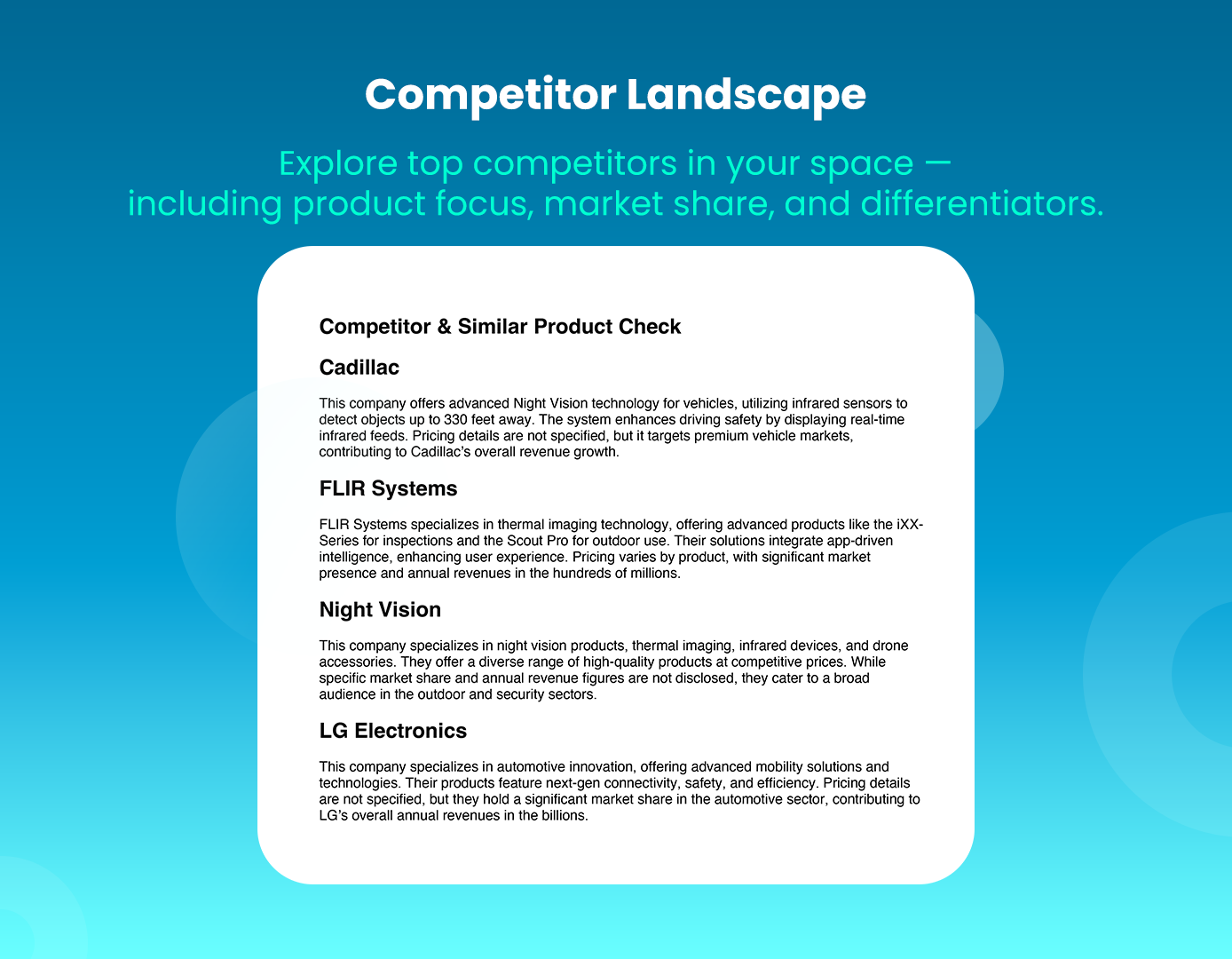
The right channel depends on margins, fulfillment capacity, and audience behavior. InventaIQ compares campaign performance data with category benchmarks to guide platform selection.
3. Reuse Campaign Assets Strategically
Your campaign already generated high-performing content:
- Product visuals
- Explainer copy
- Video scripts
- FAQs
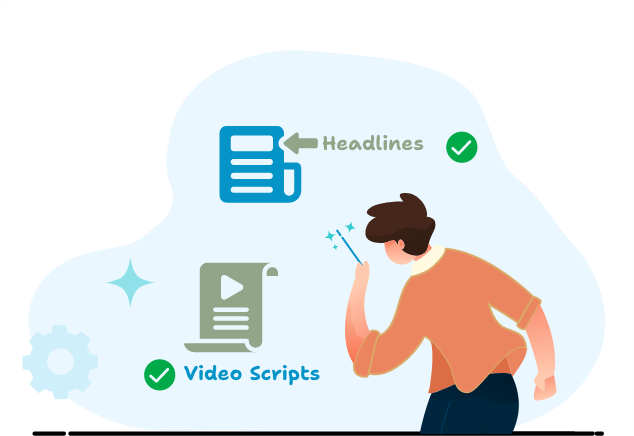
Instead of rebuilding, adapt these assets for product pages, ads, and email flows. InventaIQ highlights which assets drove the most engagement during your campaign so you reuse what already works.
4. Retain Backers with Purposeful Communication
Backers are your warmest audience — but only if you keep showing up.
Effective post-campaign communication includes:
- Fulfillment completion announcements
- Early-access offers for backers
- Behind-the-scenes updates and improvements
- Loyalty or referral incentives
InventaIQ helps schedule and personalize outreach based on backer behavior and engagement signals.
5. Measure What Actually Matters
Post-campaign success isn’t just about sales volume.
Key metrics include:
- Repeat purchase rate
- Email engagement from backers
- Conversion from campaign traffic
- Customer acquisition cost (CAC) vs. campaign benchmarks
InventaIQ’s post-launch analytics connect crowdfunding performance to early e-commerce outcomes, helping you refine future launches.
Common Mistakes to Avoid
- Treating crowdfunding as a one-time event
- Launching an online store without fulfillment readiness
- Over-discounting to backers and hurting margins
- Ignoring post-campaign communication
- Failing to capture and reuse campaign insights
Creators who plan the transition early avoid these pitfalls and scale more predictably.
How InventaIQ Supports Post-Campaign Growth
InventaIQ helps creators bridge the gap between crowdfunding and e-commerce by:
- Analyzing backer behavior and lifetime value potential
- Recommending optimal post-campaign sales channels
- Identifying reusable high-performing campaign assets
- Tracking post-launch performance metrics
- Supporting repeatable launch-to-store workflows
The result: fewer guesswork decisions and a smoother path from funding to growth.
FAQ — From Campaign to E-Commerce
1. What does “campaign to e-commerce” mean?
It refers to the process of transitioning from a crowdfunding campaign to ongoing online sales through a store or marketplace.
2. When should creators start planning e-commerce?
Ideally before fulfillment begins. Early planning helps retain momentum and backer engagement.
3. Do all crowdfunding campaigns need an e-commerce store?
Not always, but creators seeking long-term growth benefit significantly from continued sales channels.
4. Should backers get special pricing post-campaign?
Yes — limited early access or loyalty incentives help maintain trust without harming margins.
5. How long after fulfillment should an online store launch?
Most successful creators launch within 30–90 days after completing fulfillment.
6. Can campaign assets be reused for e-commerce?
Absolutely. High-performing copy, visuals, and videos often convert well beyond crowdfunding.
7. What platforms work best after crowdfunding?
Shopify, WooCommerce, and Amazon are common choices, depending on category and margins.
8. How does InventaIQ help with this transition?
InventaIQ analyzes campaign data, identifies growth opportunities, and guides creators through post-campaign planning and performance tracking.
Conclusion — Build Beyond the Campaign
Crowdfunding is the beginning — not the finish line.
By planning the transition to e-commerce early, creators can extend momentum, strengthen relationships, and turn backers into long-term customers.
With InventaIQ, you can move confidently from funding to fulfillment to growth — using real data, not assumptions.