Executive Summary
This guide explains how to read and interpret backer sentiment during a live crowdfunding campaign. You’ll learn how to spot early warning signs, understand confidence vs. hesitation, and respond before small issues turn into funding slowdowns. With InventaIQ’s AI-powered sentiment analysis, creators can turn scattered feedback into clear, actionable insights.
Introduction
Crowdfunding is as much about trust as it is about funding.
While metrics like pledges and traffic show what is happening, backer sentiment explains why.
During a live campaign, backers constantly signal confidence or concern through comments, questions, engagement levels, and refund behavior. Creators who understand these signals can act early — strengthening trust, correcting misunderstandings, and maintaining momentum.
In this guide, you’ll learn how to read backer sentiment clearly, interpret what it means for campaign health, and respond in ways that improve engagement and funding outcomes.
Why Backer Sentiment Matters in Crowdfunding
Backer sentiment is an early indicator of campaign success or risk.
Strong funding numbers can hide growing doubt, while slow days may still reflect high confidence.
Understanding sentiment helps you:
- Detect trust issues before refunds increase
- Identify confusion around pricing, delivery, or scope
- Improve communication clarity and transparency
- Strengthen long-term backer confidence
InventaIQ’s analysis shows that campaigns responding quickly to negative sentiment recover faster and sustain higher engagement throughout the campaign lifecycle.
Key Backer Sentiment Signals to Watch
1. Comment Tone & Frequency
Comments often reveal emotional direction:
- Positive sentiment → excitement, encouragement, sharing
- Neutral sentiment → clarification questions
- Negative sentiment → skepticism, concern, repeated doubts
A spike in questions about the same issue signals unclear messaging.
2. Refund Requests & Timing
Refunds rarely happen randomly.
They often follow:
- Delivery timeline concerns
- Stretch goal confusion
- Perceived scope creep
Tracking when refunds occur helps identify root causes.
3. Engagement Drop-Off
Watch for:
- Fewer comments or update reactions
- Declining update open rates
- Reduced social sharing
Silence often signals uncertainty rather than satisfaction.
4. Update Response Patterns
Healthy campaigns see:
- Engagement within hours of updates
- Follow-up questions that show interest
Delayed or no response can indicate lost attention or trust.
How to Respond to Backer Sentiment Effectively
Acknowledge Early
Even if you don’t have an immediate solution, acknowledge concerns quickly. Silence amplifies doubt.
Clarify Publicly
If multiple backers share the same concern, address it in an update rather than replying individually.
Show Progress Visually
Images, timelines, and short videos rebuild confidence faster than text alone.
Avoid Defensive Language
Backers want transparency, not justification. Calm clarity builds trust.
How InventaIQ Helps You Read Backer Sentiment
InventaIQ transforms scattered feedback into structured insights:
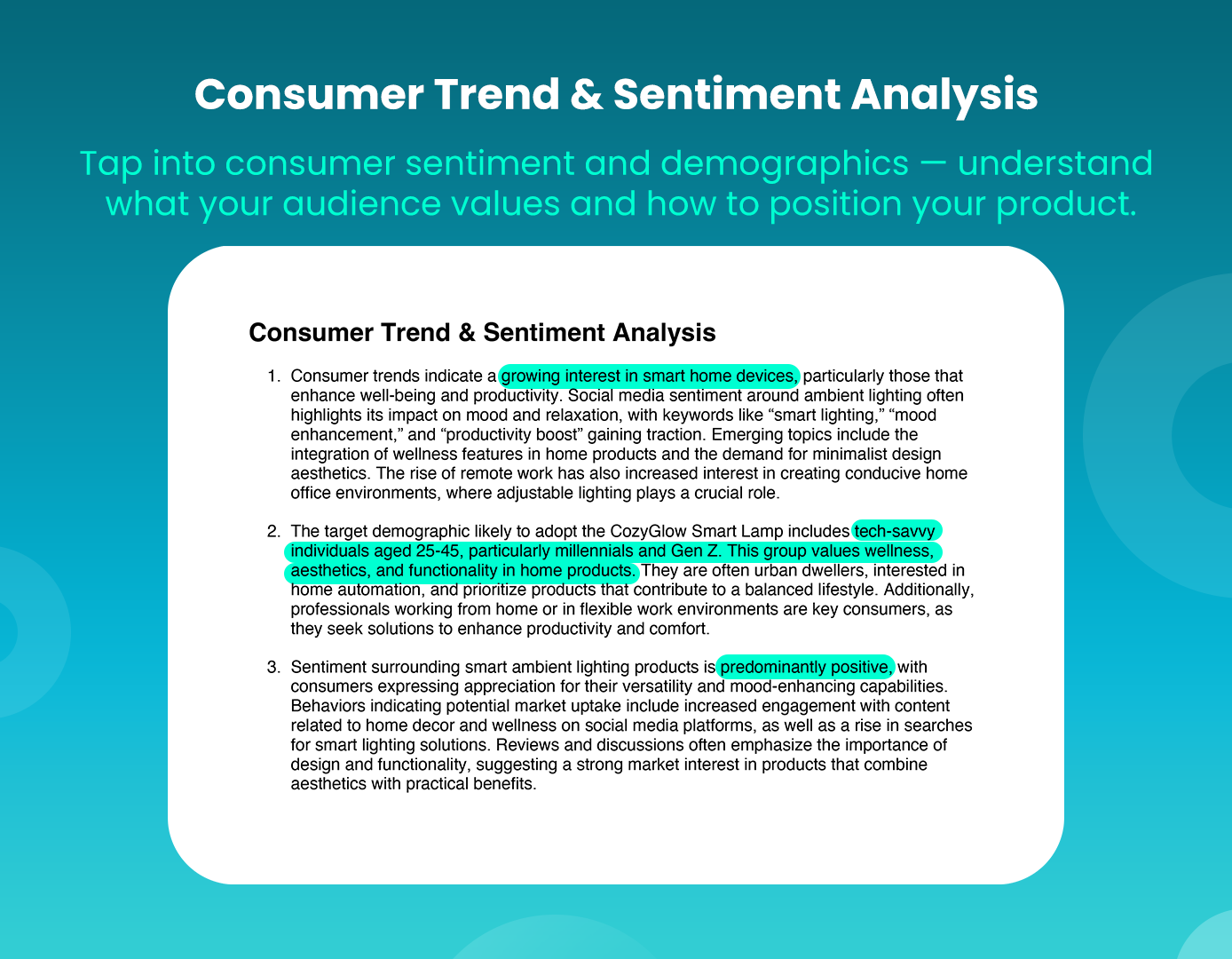
- Sentiment Analysis Engine: Detects positive, neutral, and negative patterns across comments and updates
- Behavior Signals Dashboard: Correlates sentiment with refunds, engagement, and funding velocity
- Early Risk Alerts: Flags rising concern before it impacts funding
- Response Guidance: Suggests when to clarify, reassure, or adjust messaging
Instead of guessing how backers feel, creators get a clear, data-backed view of campaign confidence.
Common Mistakes Creators Make with Backer Feedback
- Ignoring “small” concerns early
- Responding emotionally or defensively
- Over-explaining instead of clarifying
- Waiting until refunds spike to act
- Treating sentiment as noise instead of insight
FAQ — Reading Backer Sentiment in Crowdfunding
1. What is backer sentiment?
Backer sentiment reflects how supporters feel about your campaign based on their comments, questions, engagement, and behavior during a live campaign.
2. Why is backer sentiment important?
It helps creators detect trust issues, confusion, or enthusiasm early — often before funding numbers change.
3. How can I measure sentiment during a campaign?
By monitoring comment tone, refund timing, update engagement, and question patterns. InventaIQ automates this analysis using AI.
4. Are refunds always a bad sign?
Not always. Isolated refunds are normal, but clusters often signal unclear messaging or rising concern.
5. How quickly should I respond to negative sentiment?
As early as possible. Fast acknowledgment prevents escalation and restores confidence.
6. Should I address concerns publicly or privately?
If multiple backers share the same concern, respond publicly via updates to reduce uncertainty for everyone.
7. Can sentiment change during a campaign?
Yes. Sentiment often fluctuates based on updates, stretch goals, delays, or press coverage.
8. How does InventaIQ detect sentiment?
It analyzes language patterns, behavior trends, and engagement signals across the campaign in real time.
9. Can positive sentiment boost funding?
Yes. High confidence often leads to higher engagement, social sharing, and repeat pledges.
10. What’s the biggest mistake creators make with sentiment?
Ignoring it until funding slows. Sentiment is most useful when acted on early.
Conclusion — Listen Early, Act Confidently
Backers are always communicating — even when they’re silent.
Creators who learn to read sentiment clearly can protect trust, strengthen engagement, and sustain momentum throughout their campaign.
With InventaIQ, sentiment becomes a signal — not a guess.
Understand what your backers are telling you, and respond with confidence.