Executive Summary
This guide explains why mid-campaign slumps happen and how creators can respond strategically instead of reacting emotionally. You’ll learn how to identify early warning signs, re-engage backers, refresh visibility, and use data-driven tactics to reignite momentum.
Using InventaIQ’s real-time dashboards, sentiment insights, and performance alerts, creators can turn slow periods into strong recoveries — keeping campaigns funded and on track.
Introduction — Why Day-1 Matters
The most dangerous phase of a crowdfunding campaign isn’t the beginning or the end — it’s the middle.
After launch excitement fades, daily pledges often slow, traffic drops, and engagement plateaus. Many creators panic or go silent at this stage, which only deepens the slump.
In this guide, you’ll learn how to:
- Recognize a mid-campaign slump early
- Understand what causes momentum loss
- Apply proven recovery tactics
- Use data — not guesswork — to decide what to change
With InventaIQ, creators gain visibility into what’s happening behind the numbers — helping them respond with confidence instead of reacting too late.
Why Mid-Campaign Slumps Happen
Mid-campaign slumps are normal and predictable. Common causes include:
- Audience exhaustion after launch promotions
- Reduced platform visibility once early traction stabilizes
- Lack of new updates or incentives
- Unclear next milestone for backers
- Untested messaging that stops resonating
InventaIQ’s campaign analysis shows that over 70% of successful campaigns experience a mid-campaign dip — but those that recover actively outperform those that wait it out.
Early Warning Signs to Watch
A slump rarely happens overnight. Look for these signals:
- Daily pledge amounts flatten or decline
- Fewer new backers per day
- Update engagement (likes, comments) drops
- Increased questions or hesitation in comments
- Traffic remains stable, but conversions fall
InventaIQ flags these trends automatically so creators can act before momentum collapses.
Proven Strategies to Revive Momentum
1. Refresh Your Offer (Without Changing the Core Product)
Introduce:
- Limited-time bonuses
- Add-on bundles
- Time-boxed perks for existing backers
Avoid major scope changes — focus on perceived value.
2. Re-Engage Your Existing Backers
Your current backers are your strongest advocates.
- Ask for shares or referrals
- Run polls or questions in updates
- Highlight community milestones
InventaIQ tracks which updates generate the most engagement so you can double down on what works.
3. Release Strategic Campaign Updates
Effective updates during slumps should:
- Share progress or behind-the-scenes work
- Address common concerns transparently
- Preview upcoming milestones or stretch goals
Avoid promotional noise — clarity builds confidence.
4. Trigger a Visibility Push
Reignite attention with:
- Press outreach using refreshed angles
- Influencer or partner mentions
- Retargeting warm audiences
InventaIQ highlights when visibility drops so creators know when a push is necessary — not just how.
5. Preview Stretch Goals Carefully
Teasing upcoming stretch goals can re-energize interest without committing early.
Preview benefits, not promises.
InventaIQ helps creators evaluate cost and complexity before public announcements.
How InventaIQ Helps During a Mid-Campaign Slump
- Real-Time Alerts: Detect momentum drops early
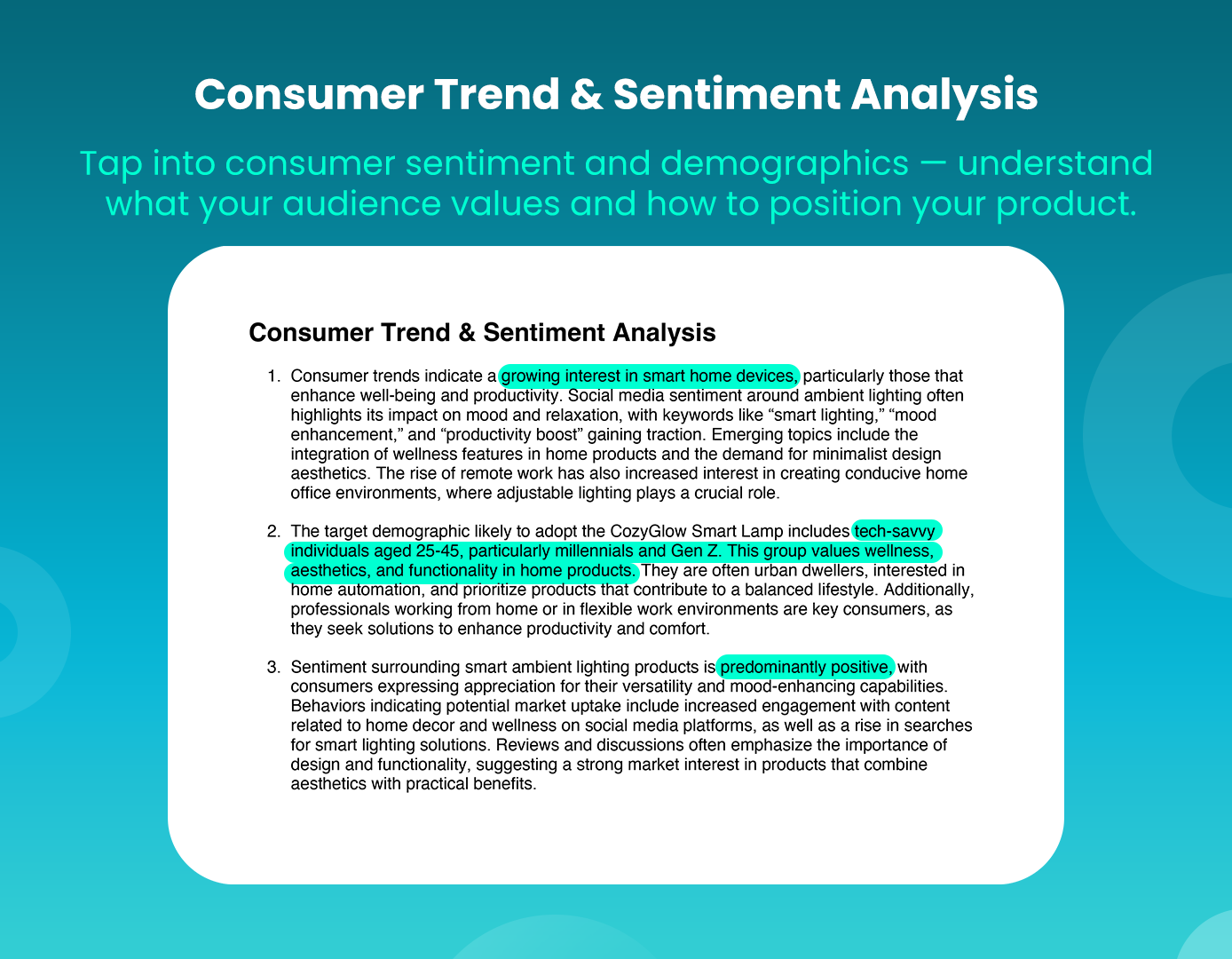
- Sentiment Analysis: Understand backer confidence and hesitation
- Update Performance Tracking: See which updates actually move pledges
- Visibility Signals: Identify when exposure declines
- Actionable Recommendations: Know what to adjust — and when
Instead of guessing, creators operate with situational awareness.
FAQ — Mid-Campaign Slumps in Crowdfunding
1. What is a mid-campaign slump?
A mid-campaign slump is a slowdown in pledges and engagement that typically occurs after launch momentum fades and before the final push.
2. Is a mid-campaign slump normal?
Yes. Most successful campaigns experience a dip. What matters is how quickly and strategically creators respond.
3. When does the mid-campaign slump usually happen?
Often between days 7–21 of a 30-day campaign, depending on category and traffic sources.
4. Should I panic if my pledges slow down?
No. Slumps are signals, not failures. They indicate it’s time to adjust messaging, visibility, or engagement.
5. What’s the fastest way to revive momentum?
Engaging existing backers with meaningful updates and limited-time incentives is often the fastest lever.
6. Do ads help during a mid-campaign slump?
Ads can help — but only when paired with refreshed messaging and clear value. InventaIQ helps determine readiness before spending.
7. Should I introduce stretch goals during a slump?
Previewing stretch goals can help. Announcing them too early without cost control can create risk.
8. How often should I post updates during a slump?
Typically 2–3 updates per week, focused on progress, transparency, and engagement.
9. How do I know if my updates are working?
Track engagement, click-throughs, and pledge spikes after updates. InventaIQ shows these correlations clearly.
10. Can a campaign fully recover after a slump?
Yes. Many top campaigns fund strongly after mid-campaign recovery followed by a final-week surge.
Conclusion — Slowdowns Are Signals, Not Failures
A mid-campaign slump doesn’t mean your campaign is failing — it means it’s time to adapt.
Creators who monitor signals, engage backers, and adjust intentionally often finish stronger than those who stay passive.
With InventaIQ’s live insights and optimization tools, you can respond early, regain momentum, and guide your campaign confidently through its most critical phase.