This guide explains how each type of IP protection works, what it covers, and how InventaIQ helps you identify potential conflicts early through AI-powered analysis.
Introduction
Before launching publicly, every creator should know how to safeguard two key assets: your idea and your brand.
While patents protect what you’ve built, trademarks protect how it’s recognized. Confusing the two can lead to costly mistakes — from losing rights to facing infringement claims.
This guide clarifies the distinction and shows how InventaIQ’s Idea & IP Validation tools analyze both aspects, helping you secure your concept and branding with confidence.
What Are Patents and Trademarks?
| IP Type | Purpose | Protects | Typical Duration | Example |
| Patent | Grants exclusive rights to make, use, or sell an invention | Functional or technical aspects of a product | 20 years (from filing) | A new smart-watch sensor mechanism |
| Trademark | Distinguishes your product or brand in the market | Name, logo, tagline, packaging design | Renewable every 10 years | The brand name and logo of that watch |
Both forms of IP can coexist — a single product may be patented for its innovation and trademarked for its branding.
Why IP Protection Matters for Creators
Crowdfunding campaigns thrive on transparency — but public exposure can also invite imitation. Filing the right IP protection before revealing your idea can:
- Preserve ownership and licensing rights
- Prevent competitors from copying your design or name
- Increase investor trust and valuation potential
- Simplify expansion into international markets
Skipping these steps could mean losing exclusivity or facing disputes once your campaign gains traction.
When to File a Patent vs a Trademark
Patent Timing
- Before public disclosure: Filing a provisional patent secures your idea while you finalize development.
- After validation: Once InventaIQ confirms originality and market readiness, move to full application.
Trademark Timing
- Before launch: Register your brand name or logo once you decide on final branding.
- During campaign: File in key target regions to prevent counterfeit listings or name misuse.
Tip: Use InventaIQ’s IP scan to check global filings and avoid conflicts before investing in design or branding.
Common Mistakes Creators Should Avoid
- Publicly sharing prototypes before filing a patent — can forfeit rights in many countries.
- Assuming a business registration equals a trademark — it doesn’t.
- Ignoring international protection — crowdfunding is global, so competitors can replicate abroad.
- Using unverified stock names or designs — can trigger trademark disputes mid-campaign.
How InventaIQ Helps
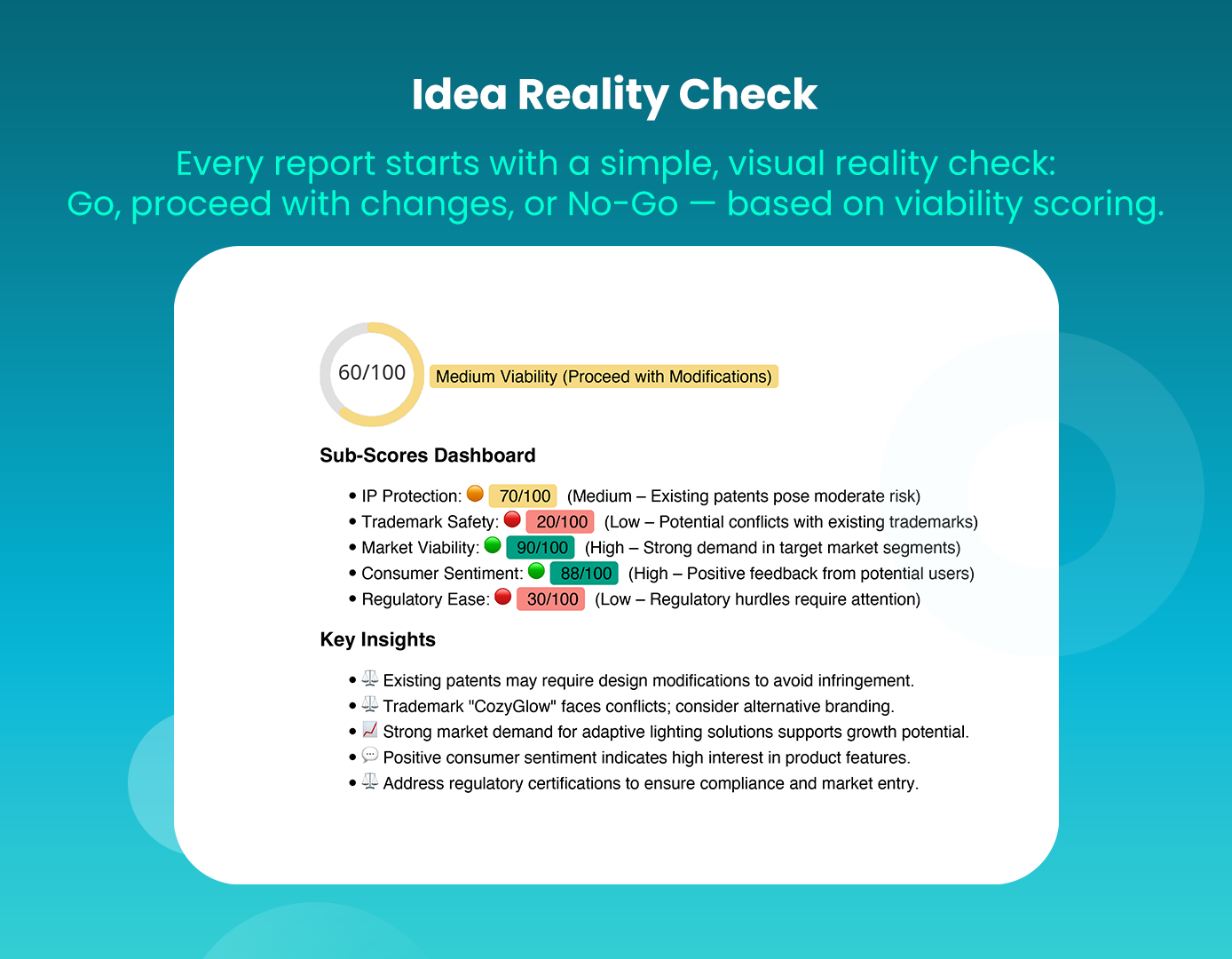
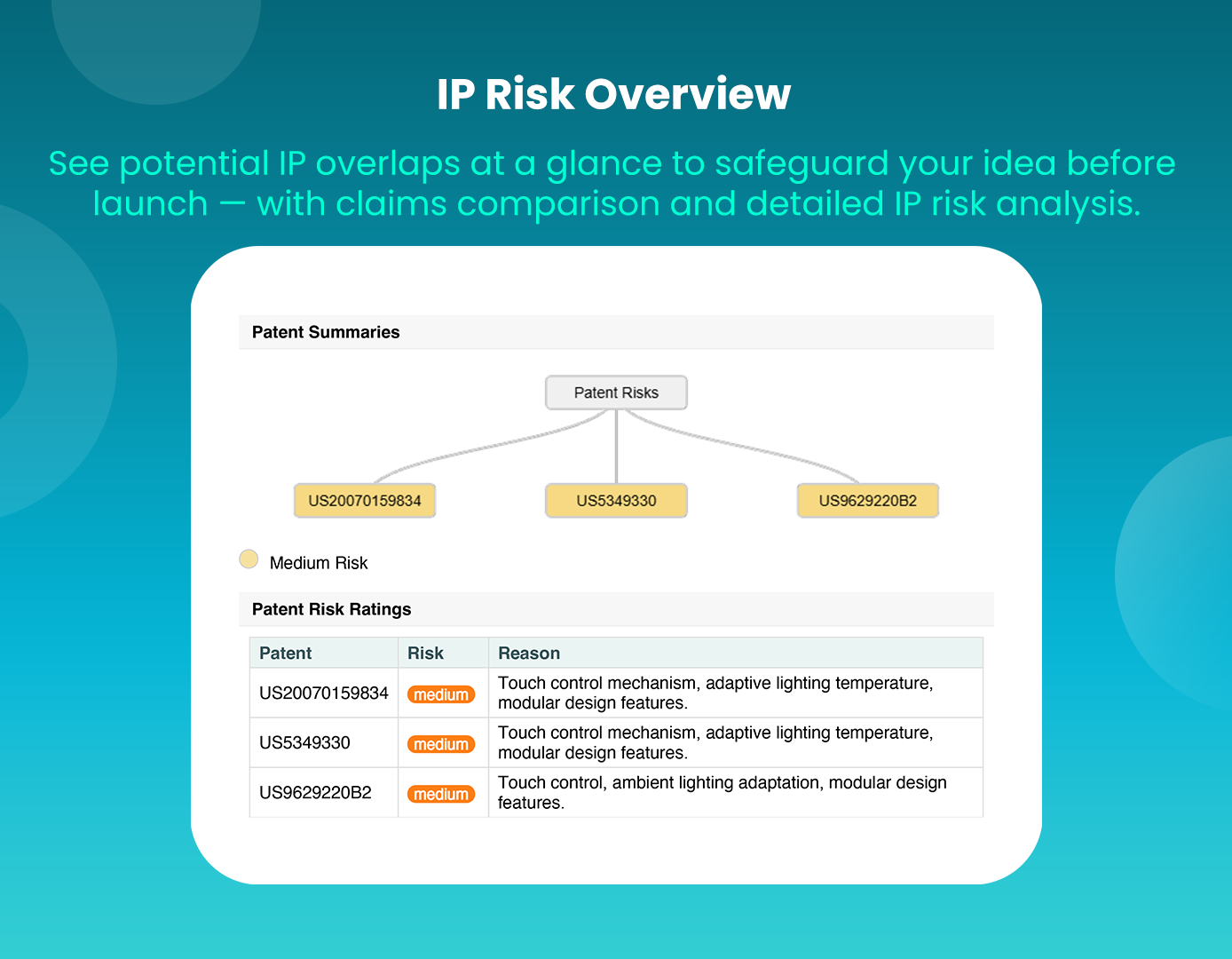
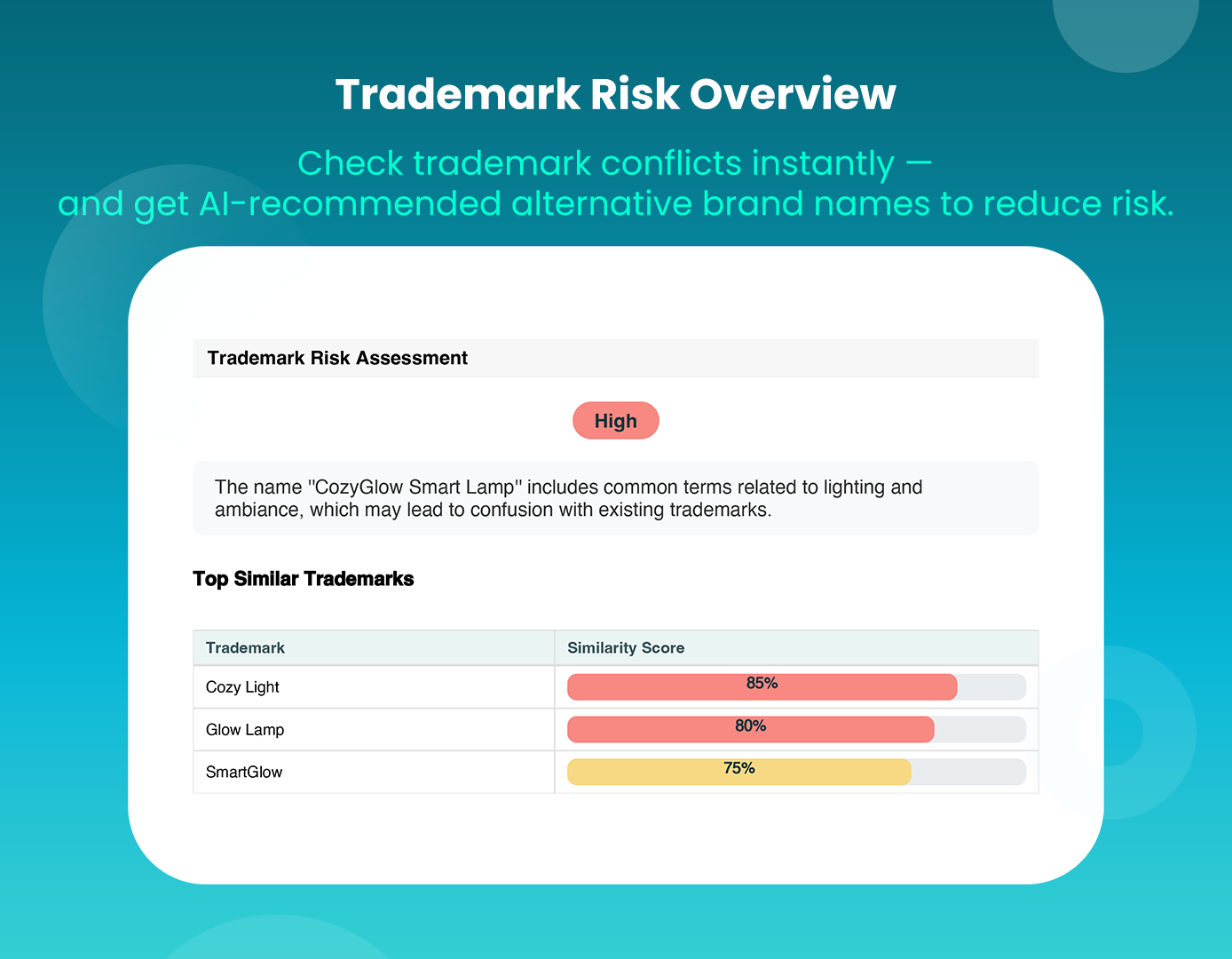
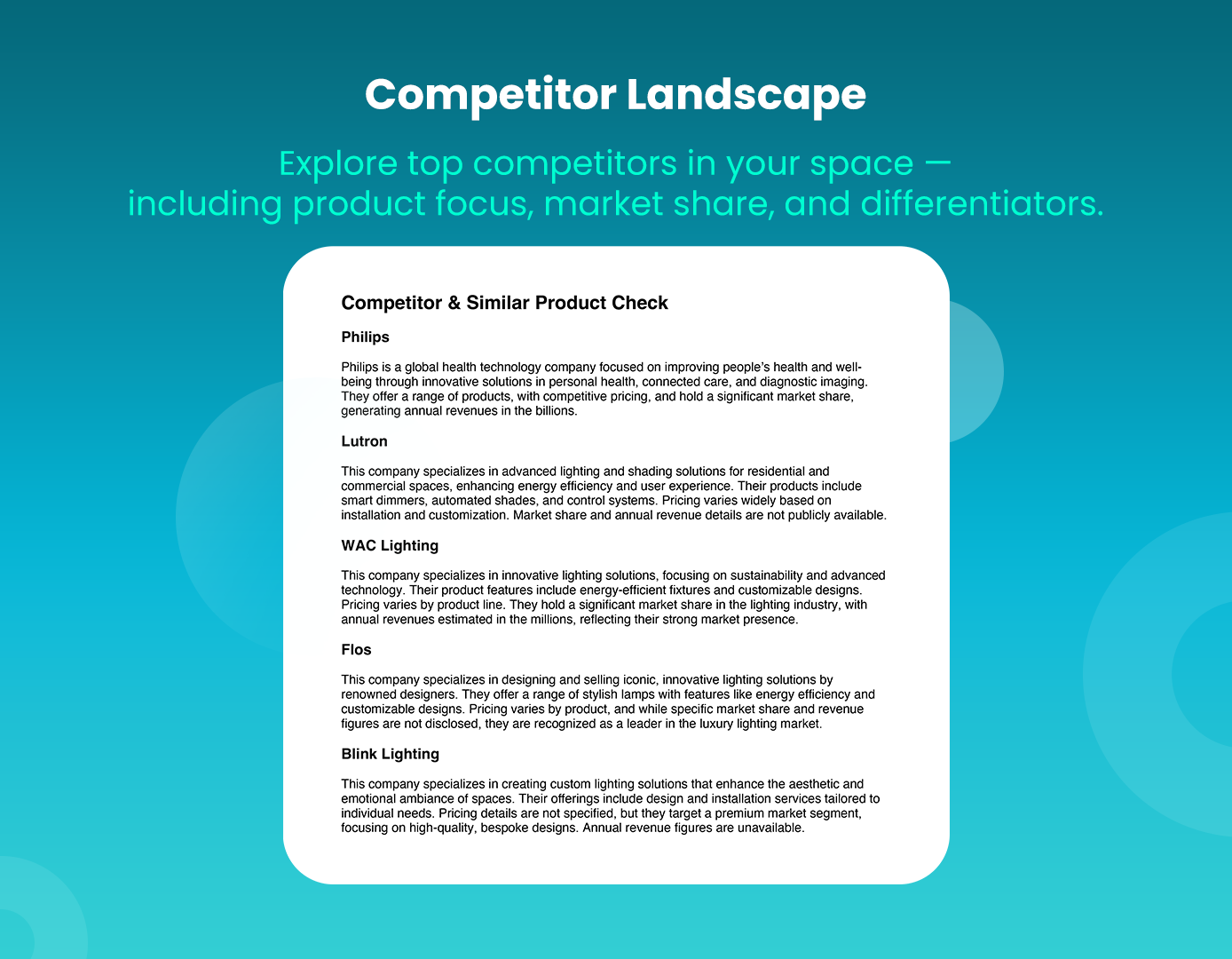
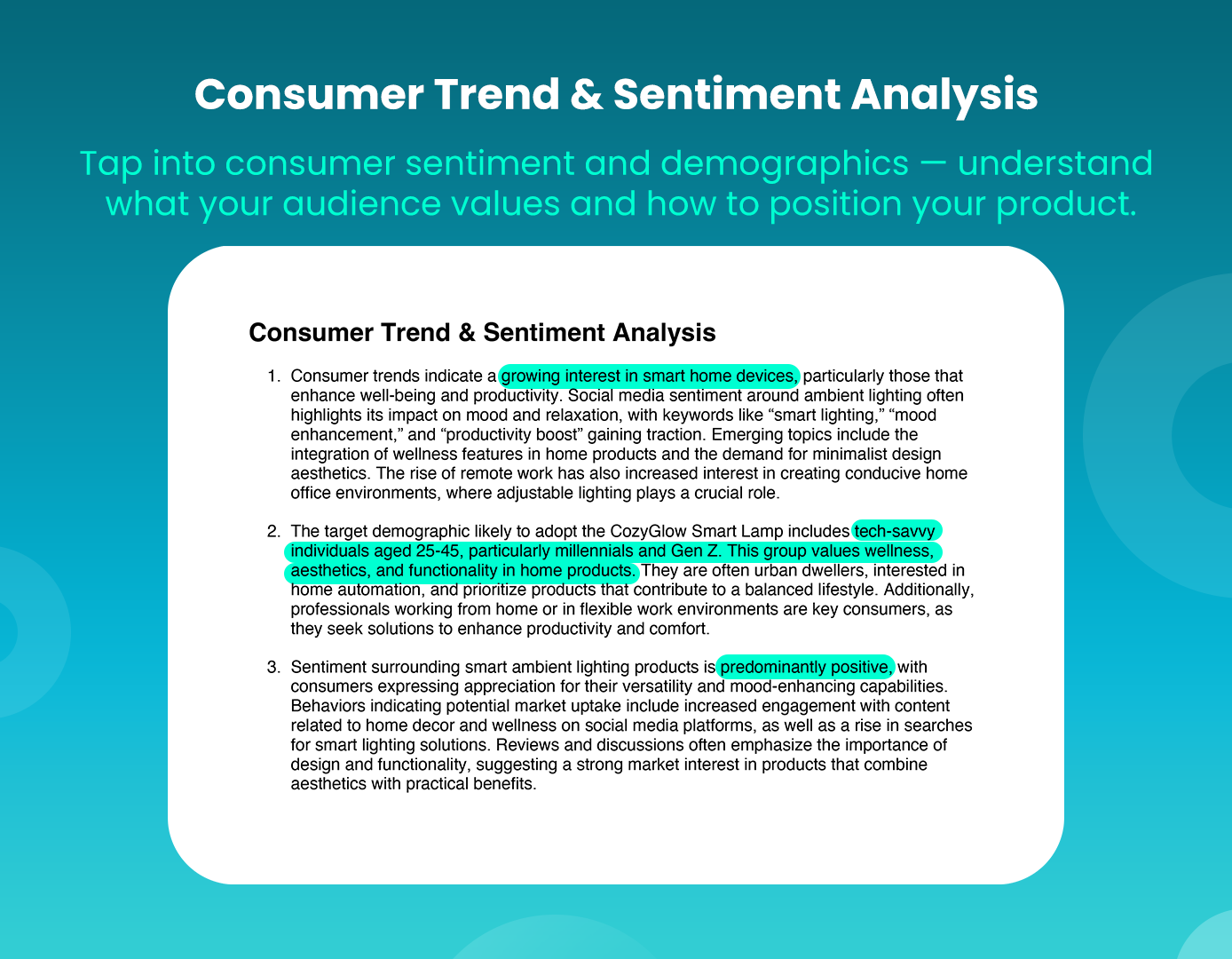
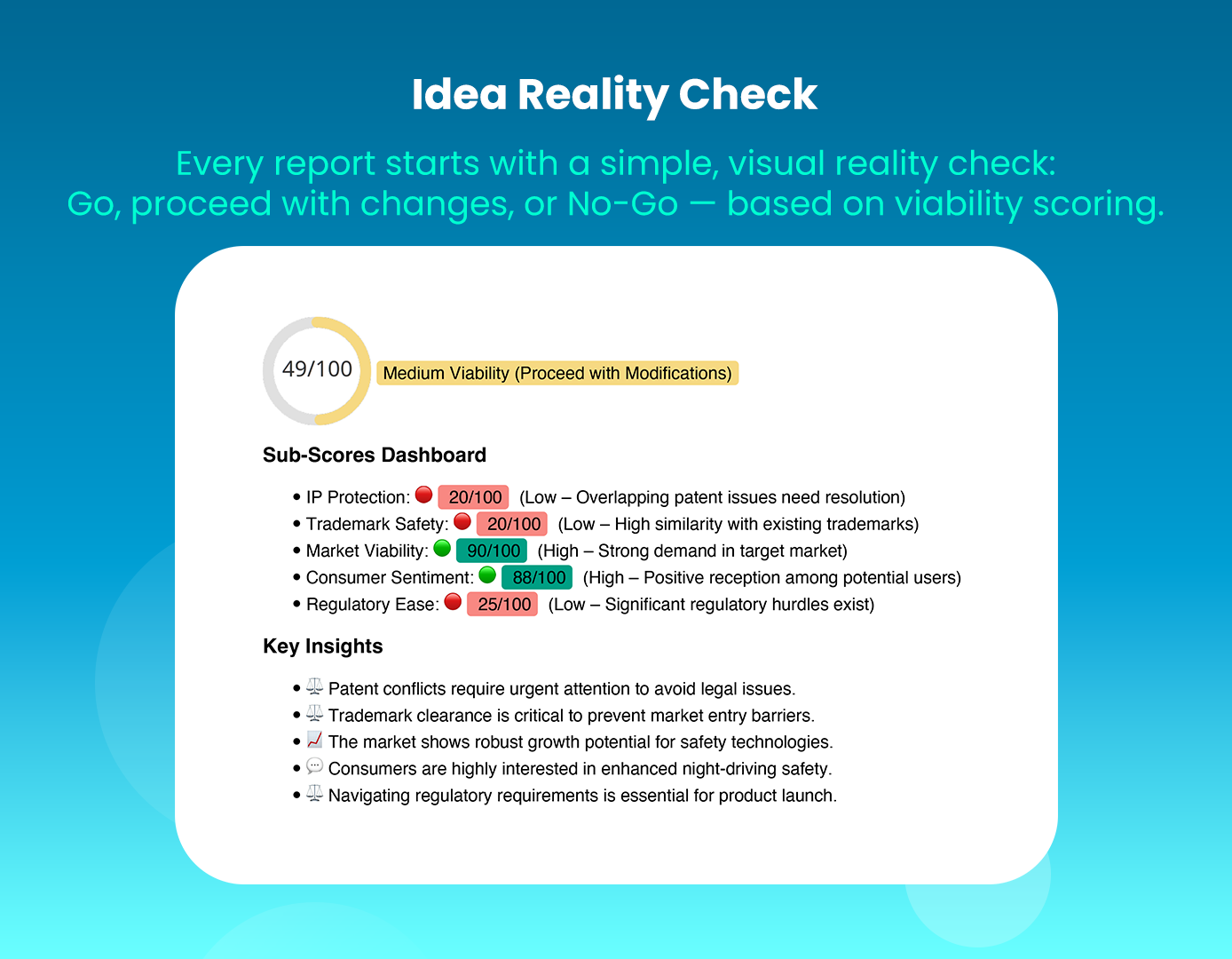
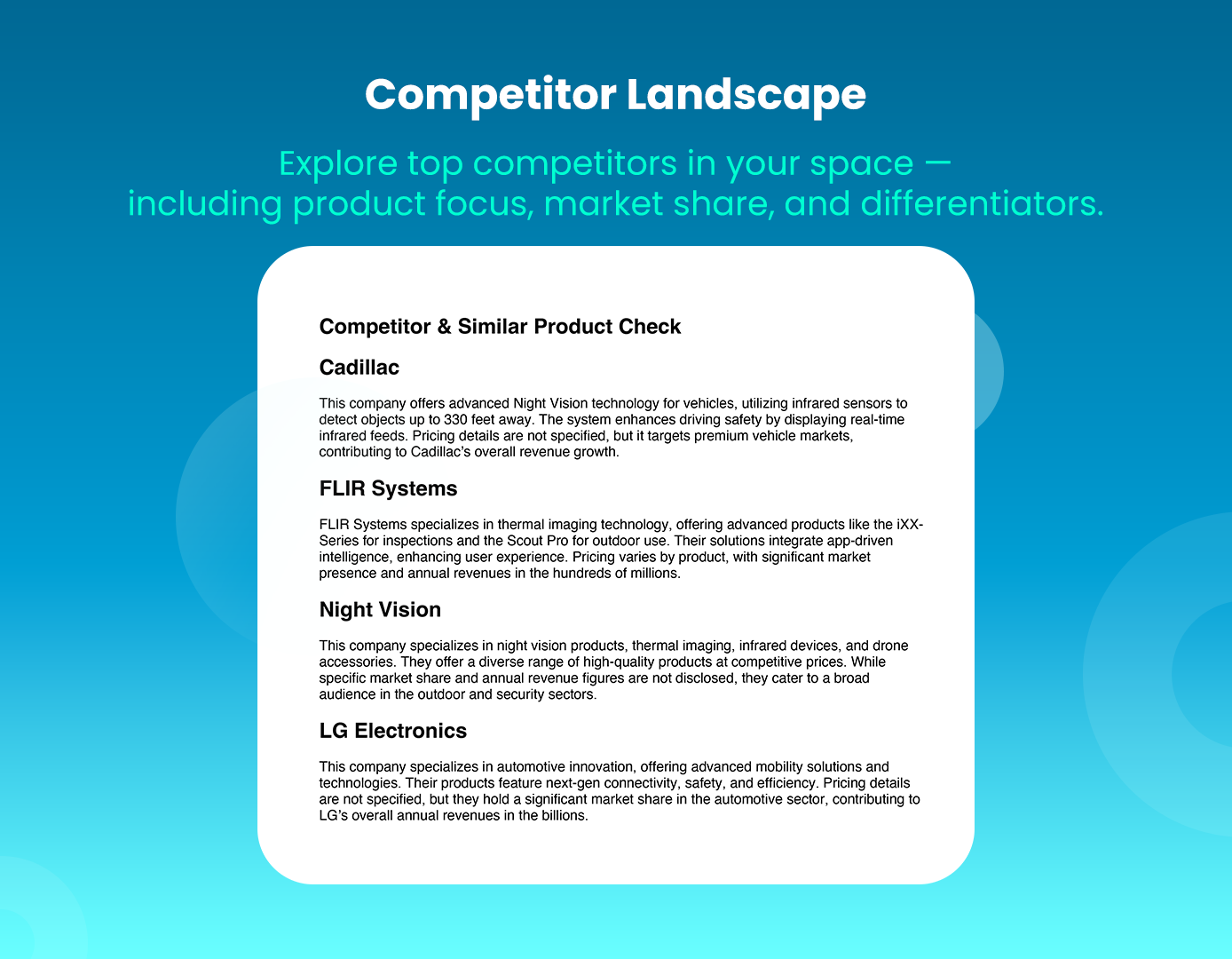
InventaIQ’s AI-powered IP analysis scans patent and trademark databases worldwide, highlighting overlaps, prior filings, and potential risks.
You’ll receive:
- A list of similar patents or brands with risk ratings
- Links to official records for manual review
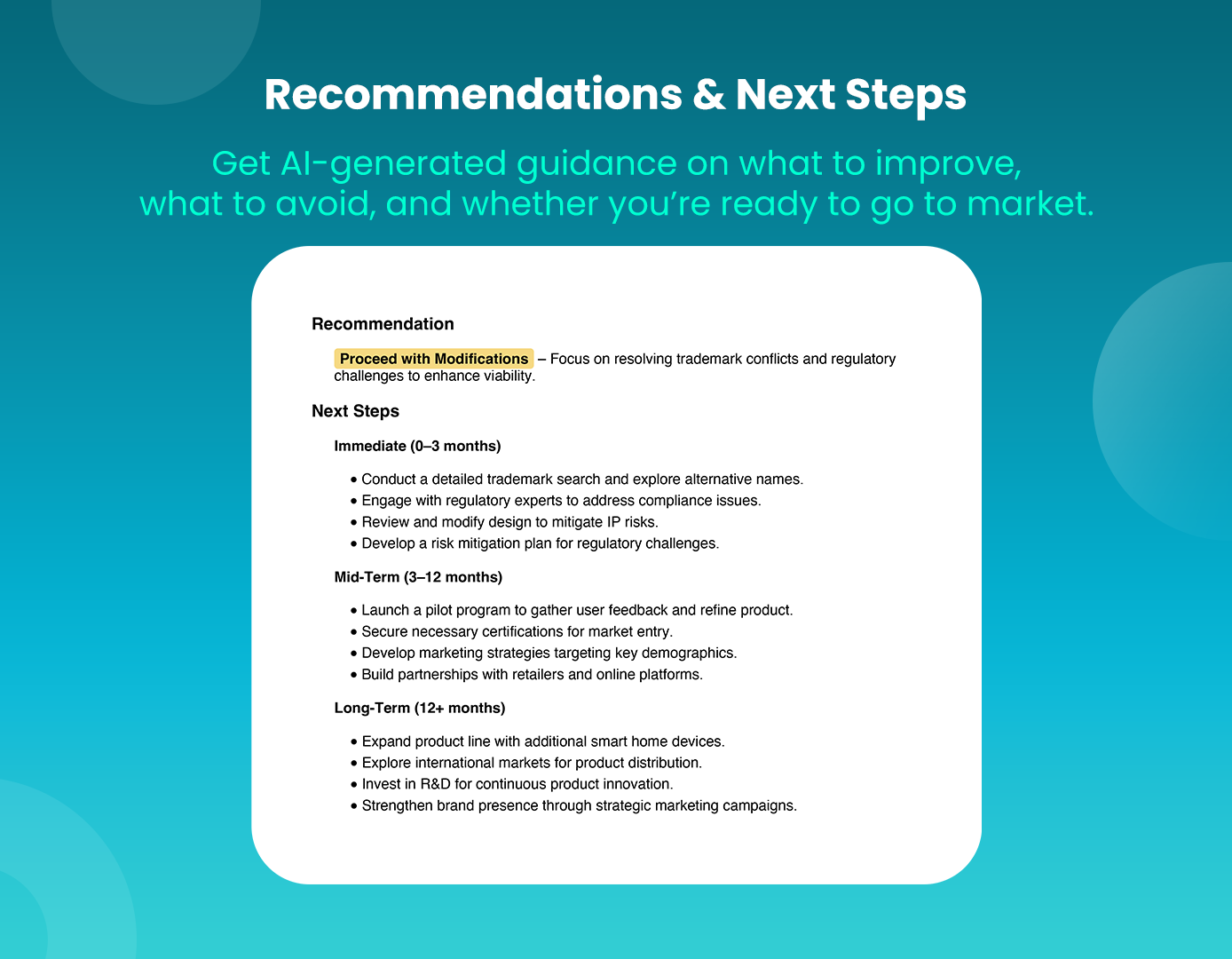
- AI recommendations on when to file and which regions to prioritize
This integrated process lets creators focus on creativity while the system ensures legal clarity.
FAQ
1. What is the difference between a patent and a trademark?
A patent protects the functional or technical aspects of an invention, while a trademark protects brand elements such as the name, logo, tagline, or packaging that identify your product in the market.
2. Do I need both a patent and a trademark for my crowdfunding product?
Not always — but many successful products use both.
A patent protects your innovation; a trademark protects your brand identity. If your product has unique functionality and a distinct brand, having both offers stronger protection.
3. When should I file a patent before launching my campaign?
Ideally, you should file a provisional patent before any public disclosure of your idea. Publicly sharing prototypes, campaign pages, or videos without filing can jeopardize your rights in many countries.
4. When is the right time to file a trademark?
You should file a trademark before launch — once your brand name and logo are finalized. Filing early prevents copycats, protects your brand during the campaign, and avoids naming conflicts.
5. Can I still run a campaign without filing a patent?
Yes, but it’s risky.
Without filing, your core idea or design may be copied, and you may lose exclusivity. A provisional patent is an affordable way to secure your place before going public.
6. Does business registration count as trademark protection?
No.
Registering a business or domain name does not grant trademark rights. You must file a trademark through official IP offices (e.g., USPTO, WIPO) to secure legal protection.
7. What happens if my chosen product name is already trademarked?
You may face legal disputes, takedowns on crowdfunding platforms, and rebranding costs. InventaIQ’s trademark scan identifies existing filings so you can avoid conflicts early.
8. What is a provisional patent, and why do creators use it?
A provisional patent is a temporary application that secures your filing date for 12 months while you finalize your product details or seek funding. It’s often the safest option before launching publicly.
9. Does InventaIQ help detect patent or trademark conflicts?
Yes.
InventaIQ scans global databases (USPTO, WIPO, EUIPO) and highlights potential overlaps with risk levels, helping creators understand whether their idea or brand is safe to use.
10. Can international creators protect trademarks across multiple countries?
Yes.
Using systems like WIPO’s Madrid Protocol, you can file a trademark in multiple regions. InventaIQ helps identify priority regions based on market potential and risk.
11. What should I do if InventaIQ detects a patent conflict?
You can revise your design, adjust your feature set, or consult an IP professional. After updates, re-run your InventaIQ validation to confirm risk reduction.
12. Can I trademark a product name that describes what it does?
Usually no.
Descriptive names (e.g., “Smart Water Bottle”) are hard to trademark. Unique or suggestive names have a higher chance of approval and stronger legal protection.
Conclusion — Protect Early, Launch Confidently
Strong campaigns are built on protected ideas and trusted brands.
By understanding patents and trademarks — and validating both with InventaIQ — creators can launch fearlessly, knowing their innovation and identity are secured.