Introduction
Not all crowdfunding campaigns are built the same. Choosing the right model is one of the first and most important decisions a creator will make.
This guide explains the four primary types of crowdfunding — reward-based, equity, donation, and debt-based — and helps you understand which one fits your idea, your stage of growth, and your audience expectations.
With InventaIQ, creators can assess market fit, evaluate funding potential, and select the right model based on data — not guesswork.
What Are the Main Types of Crowdfunding?
There are four key crowdfunding models, each serving a unique purpose for creators and investors.
| Type | Description | Best For |
| Reward-Based | Backers pledge money in exchange for a reward, product, or early access | Product launches, creative projects, prototypes |
| Equity-Based | Contributors invest in exchange for company shares or ownership stakes | Startups and growth-stage businesses |
| Donation-Based | Supporters contribute with no financial return — often for social or charitable causes | Nonprofits, community projects, personal causes |
| Debt-Based (Peer-to-Peer Lending) | Backers lend money with the expectation of repayment with interest | Established small businesses or ventures needing short-term capital |
1. Reward-Based Crowdfunding — Build a Community Around Your Idea
Reward-based crowdfunding is the most common model on platforms like Kickstarter and Indiegogo.
Creators offer backers exclusive rewards — such as early-bird pricing, limited-edition products, or recognition — in exchange for funding.
Pros
- Builds an early customer community
- Provides pre-orders and product validation
- Keeps ownership and equity in your hands
Cons
- Requires strong storytelling and fulfillment planning
- High competition in popular product categories
2. Equity Crowdfunding — Turn Backers into Investors
Equity crowdfunding allows backers to invest in your business in exchange for shares. It’s best for startups aiming for scalability rather than single-product funding.
Pros
- Access to larger funding amounts
- Builds investor trust and long-term backing
Cons
- Requires legal compliance and investor relations
- Dilutes ownership
3. Donation-Based Crowdfunding — Funding for Good
Donation-based crowdfunding is powered by generosity, not profit. Supporters contribute to causes or initiatives they care about — from medical aid to disaster recovery.
Pros
- No repayment or rewards required
- Quick setup and emotional engagement
Cons
- Limited scalability for commercial projects
- Relies heavily on storytelling and social reach
4. Debt-Based Crowdfunding — Borrow Smart, Pay Back Confidently
Also known as peer-to-peer lending, this model involves borrowing from backers with agreed repayment terms.
It bridges the gap between traditional loans and community trust.
Pros
- Keeps ownership intact
- Suitable for revenue-generating businesses
Cons
- Requires regular repayments with interest
- Works best with proven cash flow
Choosing the Right Model for Your Idea
When deciding which model fits, consider:
- Goal: Do you need validation, capital, or awareness?
- Ownership: Are you willing to share equity?
- Audience: Who are your supporters — customers, donors, or investors?
- Fulfillment capacity: Can you deliver on promises?
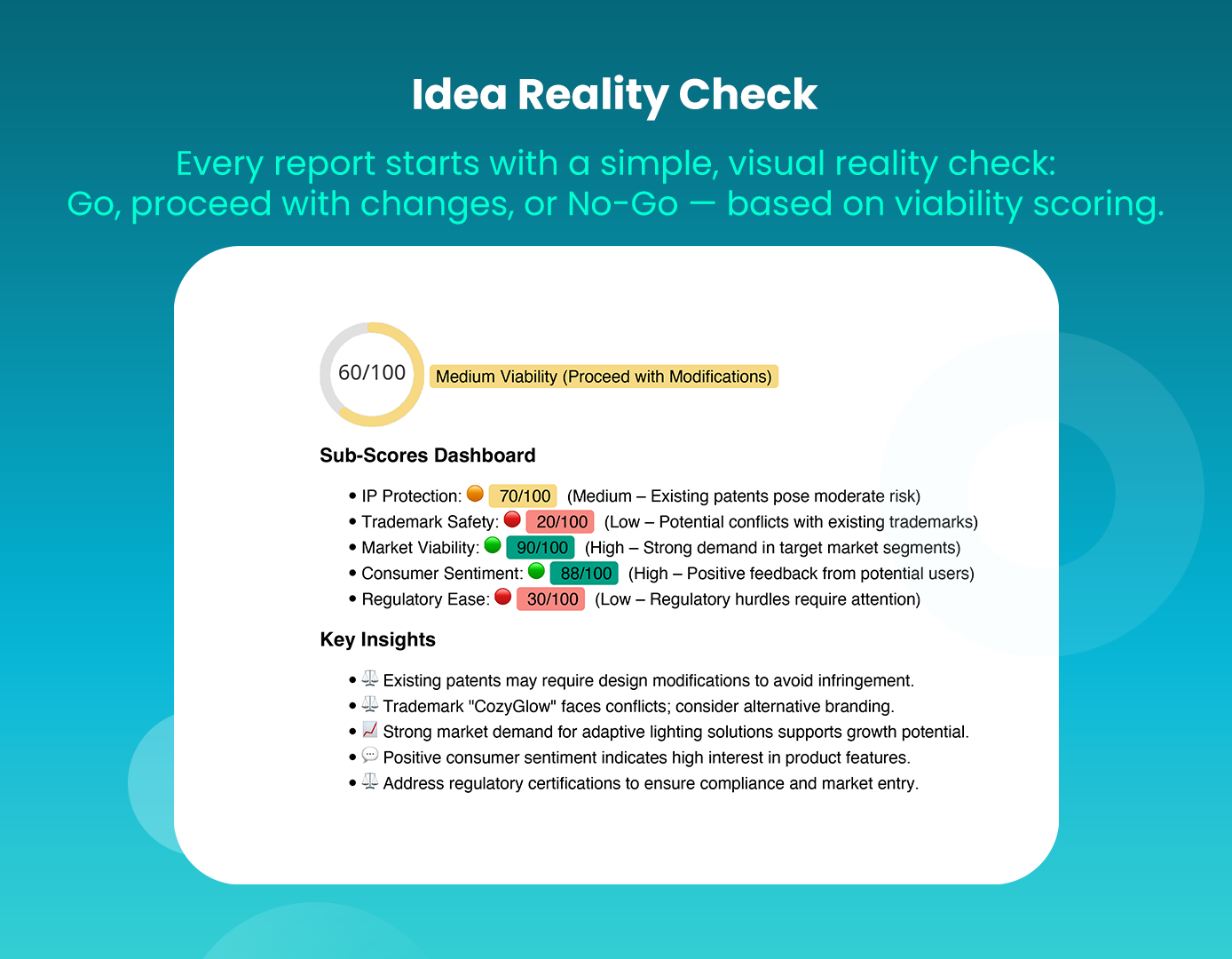
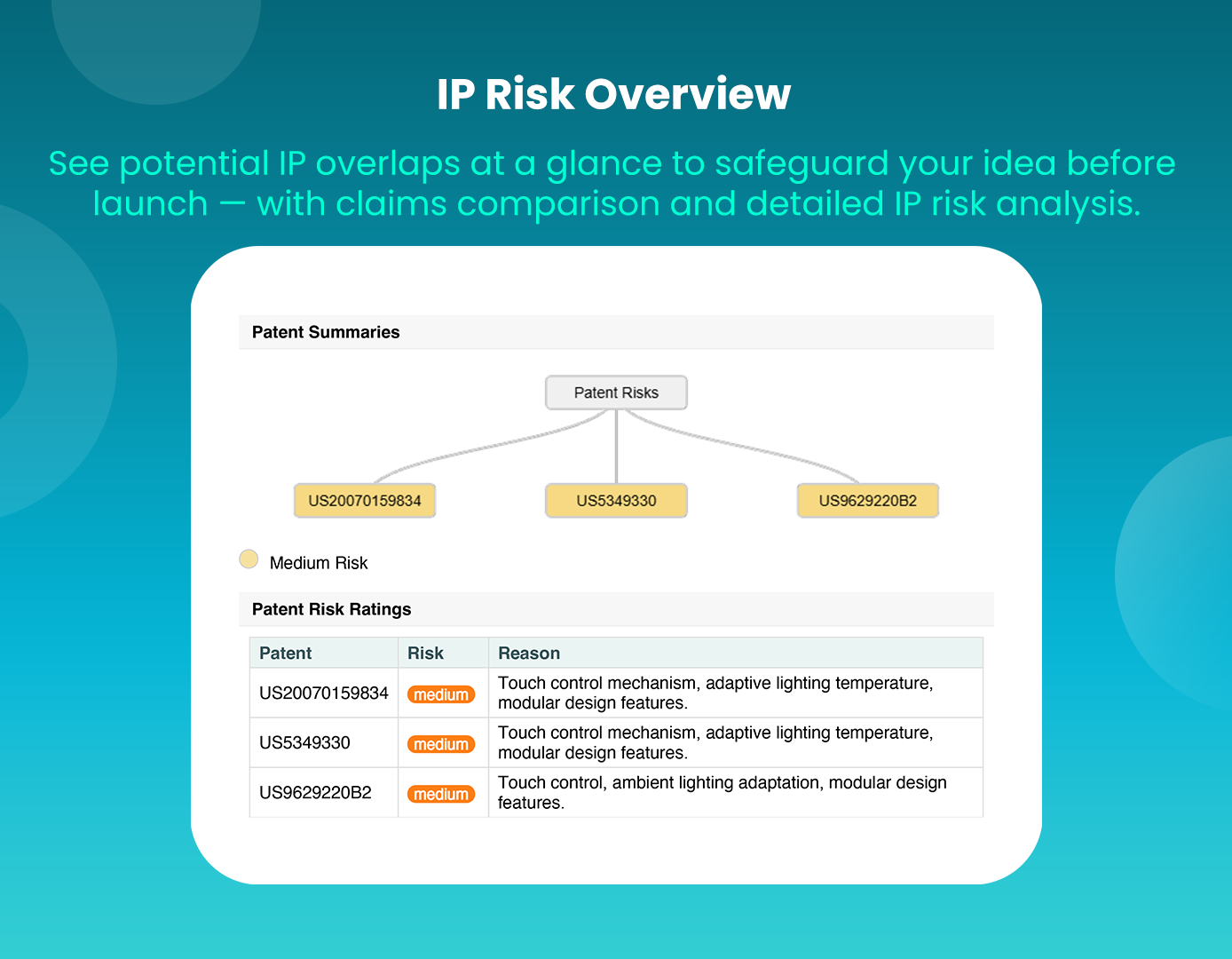
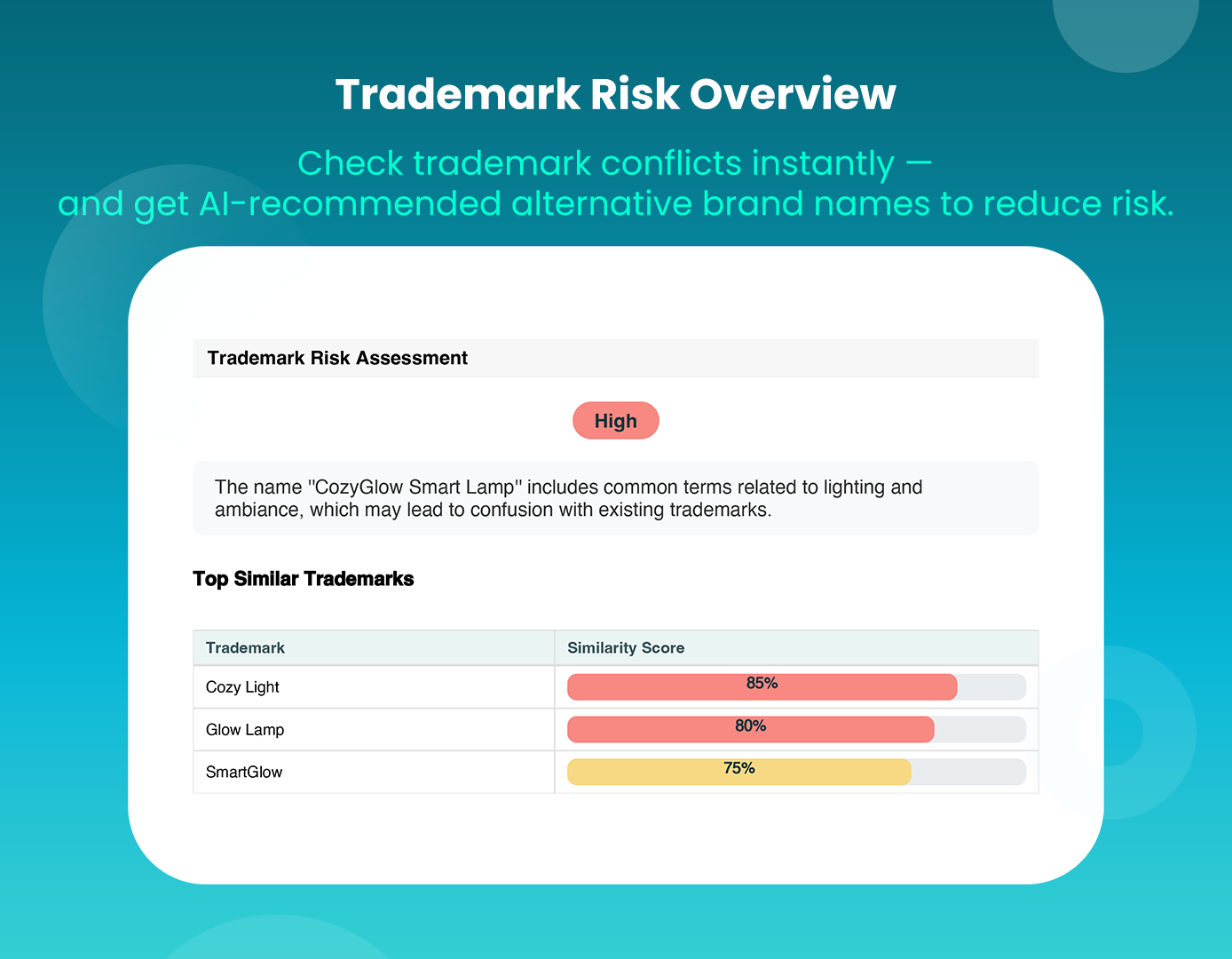
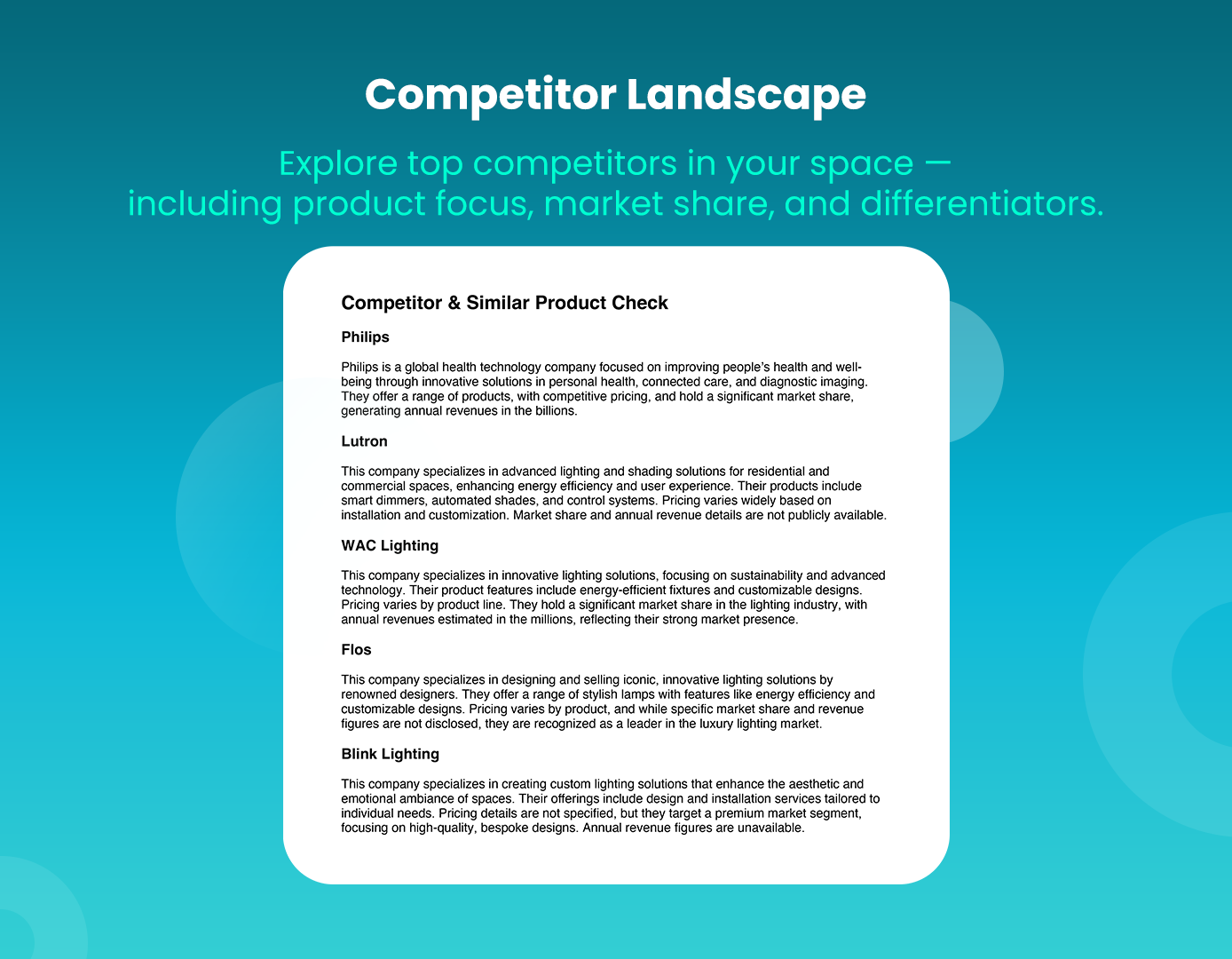
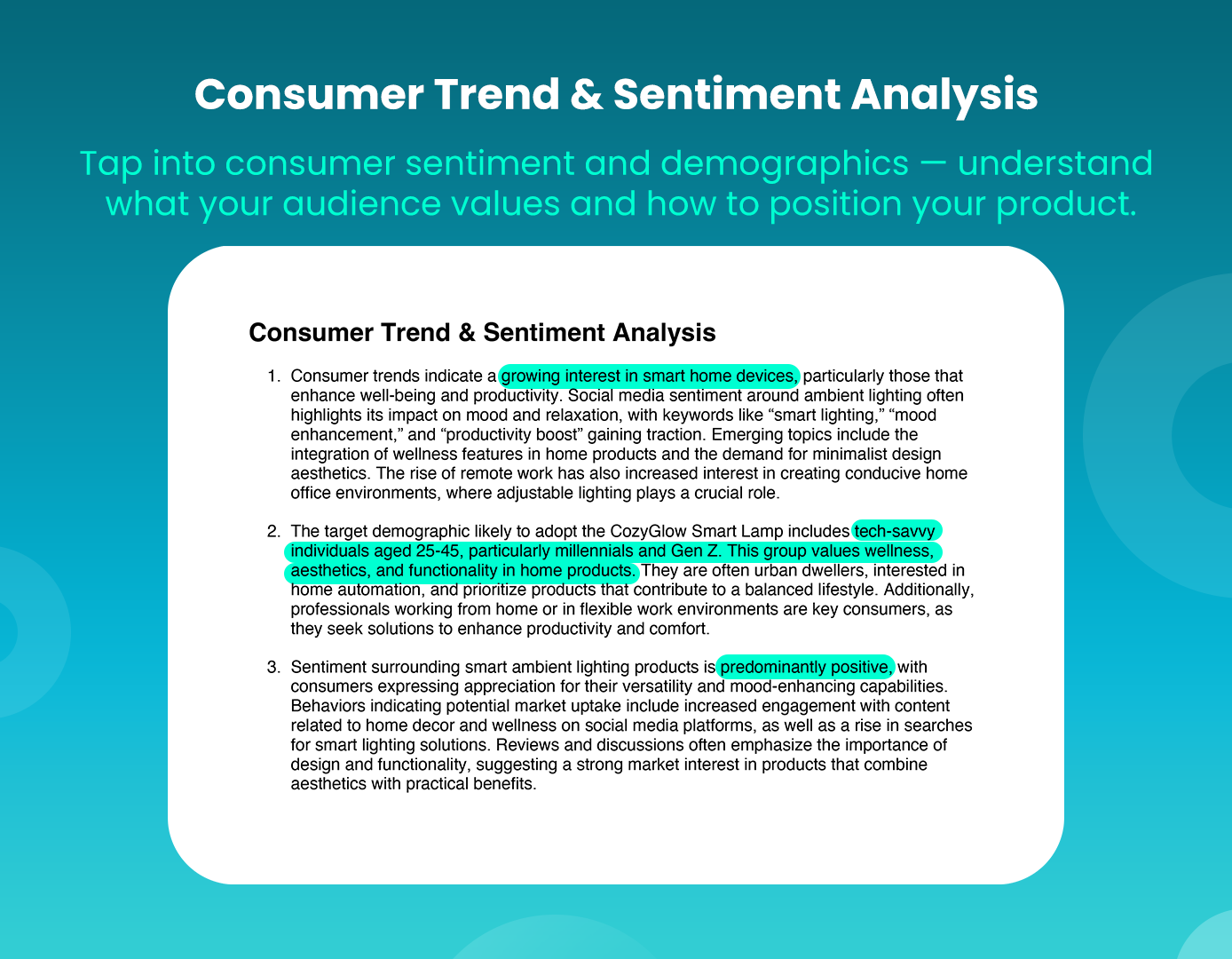
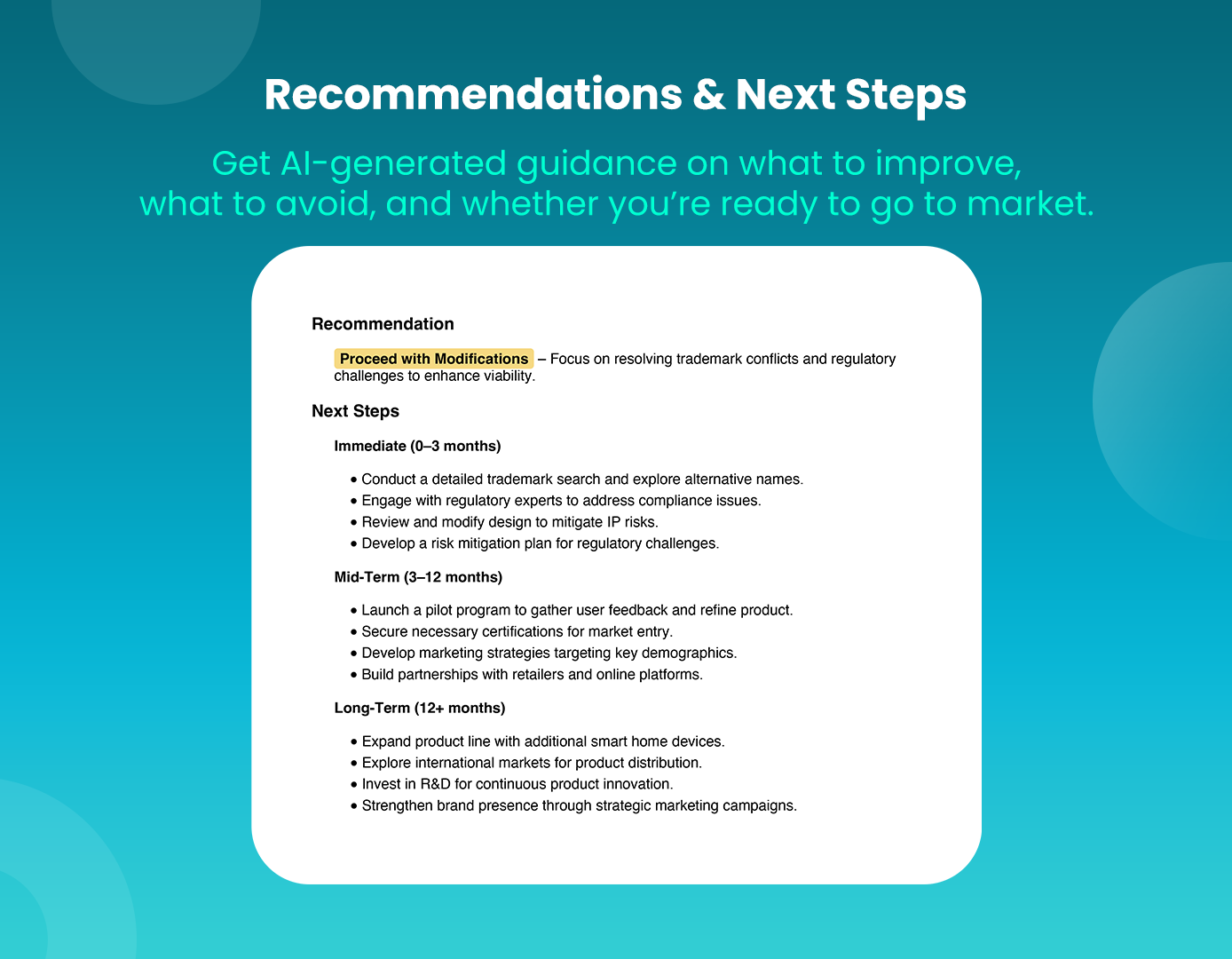
With InventaIQ’s AI-driven validation tools, creators can simulate outcomes across models — comparing success rates, potential funding volumes, and backer engagement before launch.
FAQ
1. What are the four main types of crowdfunding?
The main types of crowdfunding are reward-based, equity-based, donation-based, and debt-based (peer-to-peer lending). Each model serves different goals — from building early customers to raising investment or funding social causes.
2. Which crowdfunding model is best for product creators?
Reward-based crowdfunding is usually the best fit for product creators, as it allows you to validate demand, build an early community, and raise funds without giving up equity.
3. What is the difference between reward-based and equity crowdfunding?
Reward-based crowdfunding offers backers a product or perk.
Equity crowdfunding gives contributors shares or ownership in your business.
Reward-based suits product launches; equity suits startups raising long-term capital.
4. When should a startup choose equity crowdfunding?
Choose equity crowdfunding if you’re building a scalable business, need larger funding amounts, or want investors who support long-term growth. It’s ideal for companies preparing for product expansion or raising seed/Series A rounds.
5. Who should use donation-based crowdfunding?
Donation-based crowdfunding is best for nonprofits, community projects, medical emergencies, and social causes. Supporters contribute without expecting rewards or financial returns.
6. When does debt-based crowdfunding make sense?
Debt-based crowdfunding is suitable for revenue-generating businesses that want capital without giving up equity. It works best when you have steady cash flow to make regular repayments with interest.
7. How do I choose the right crowdfunding model for my idea?
Consider your goal (validation, investment, awareness), your audience (customers, donors, investors), your ownership preferences, and your ability to fulfill rewards or repay loans.
InventaIQ’s validation tools help simulate outcomes and compare model fit.
8. Can I combine multiple crowdfunding models?
Yes. Many creators start with reward-based crowdfunding for validation and later use equity crowdfunding to raise growth capital once product demand is proven.
9. Do all crowdfunding models require a prototype?
Reward-based campaigns usually require a prototype to build trust.
Equity and donation models may not require one, but having a prototype increases credibility and investor confidence.
10. Which platforms are best for each crowdfunding type?
- Reward-based: Kickstarter, Indiegogo
- Equity: SeedInvest, Crowdcube, StartEngine
- Donation: GoFundMe, JustGiving
- Debt-based: Funding Circle, LendingClub
Conclusion — Pick the Model That Matches Your Mission
Each crowdfunding model offers a unique path — from building a loyal audience to attracting investors or funding social impact.
Choosing the right one depends on your goals, resources, and long-term vision.
With InventaIQ, you don’t have to choose blindly.
Leverage AI insights to discover which model aligns best with your product, audience, and future growth.